2026 Top Auto Cpap Machine Trends and Innovations for Better Sleep?
As sleep apnea becomes more prevalent, the demand for innovative solutions grows. The Auto Cpap Machine market is evolving rapidly, guided by technology and user feedback. Dr. Sarah Thompson, a leading sleep specialist, once noted, “Innovation in Auto Cpap Machines can drastically improve sleep quality.”
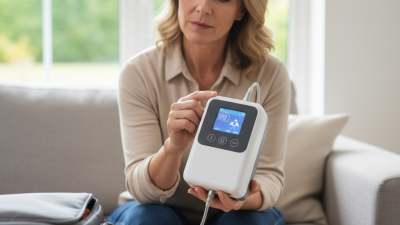
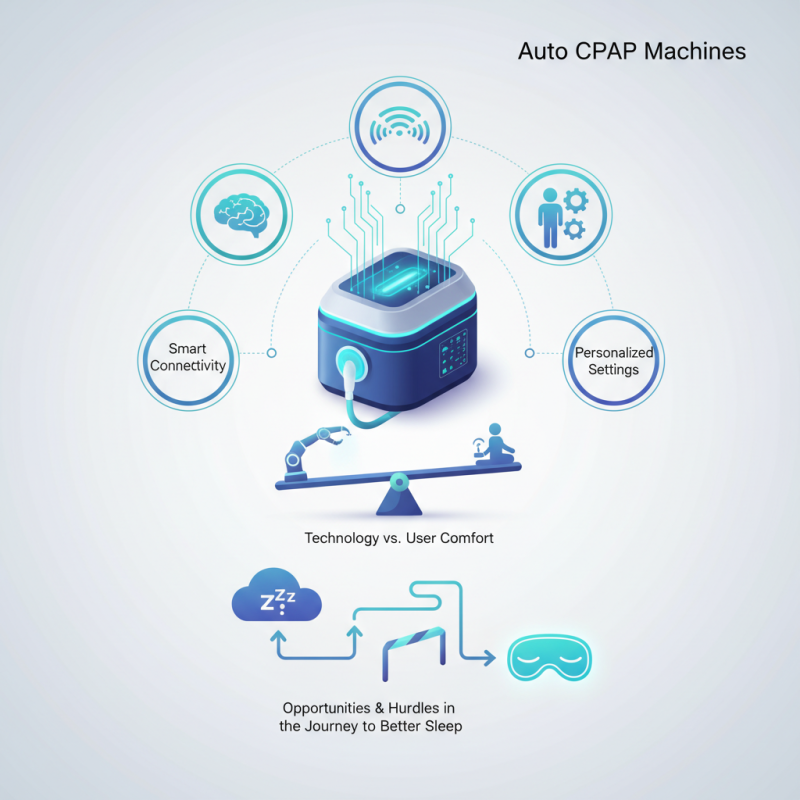
Recent advancements include smart connectivity and personalized settings. Users can now adjust their machines with ease, offering a tailored experience. However, not all innovations are a perfect fit for everyone. Some users still face challenges in finding the ideal settings for their needs.
Understanding the balance between technology and user comfort is crucial. Auto Cpap Machines have come a long way, yet issues persist. Feedback from users often reveals a gap between expectations and reality. Continued innovation is essential, but so is addressing individual concerns. The journey toward better sleep through Auto Cpap Machines is ongoing, presenting both opportunities and hurdles.
2026 Advances in Auto CPAP Machines: Key Innovations for Sleep Therapy
The landscape of auto CPAP machines is evolving rapidly. In 2026, innovations focus on comfort and efficiency. An estimated 50% of users report better adherence with new features. Real-time data tracking allows patients to monitor their progress daily. This data helps refine therapy and improve sleep quality.
New designs emphasize ergonomics. Lightweight models are making therapy less intrusive. Users appreciate quieter operations, enhancing the overall experience. Patient feedback reveals a desire for simplified controls. Many still struggle with technology complexity. User-friendly interfaces could bridge this gap.
Humidity control technologies are advancing as well. Consistent humidity levels can reduce throat irritation. This is crucial for long-term use. Studies indicate that 70% of users stop therapy due to discomfort. Manufacturers need to address these challenges. Innovations must prioritize user comfort while delivering effective therapy.
Impact of AI Integration on Auto CPAP Machine Efficiency and User Experience
The integration of artificial intelligence in auto CPAP machines is transforming how people experience sleep therapy. AI algorithms can analyze breathing patterns in real time. This capability allows machines to adjust pressure levels automatically. Users can feel a notable difference without manual adjustments throughout the night. Such technological advancements aim to create a more personalized sleep experience.
Despite these innovations, there are challenges. Not all users may find AI intuitively reliable. Some may feel anxious about machine interventions. They might prefer a traditional approach. Additionally, data privacy concerns arise with AI. Users often wonder how their information is stored and utilized. These issues highlight the need for transparency and user education.
Moreover, not everyone will embrace AI enhancements. Comfort levels with technology vary. Certain individuals thrive on simplicity in their CPAP usage. A balance must be struck between innovation and user comfort. As we move forward, understanding these nuances will be vital for enhancing user experience in sleep therapy.
Top Features to Look for in Auto CPAP Machines: Customer Preferences and Trends
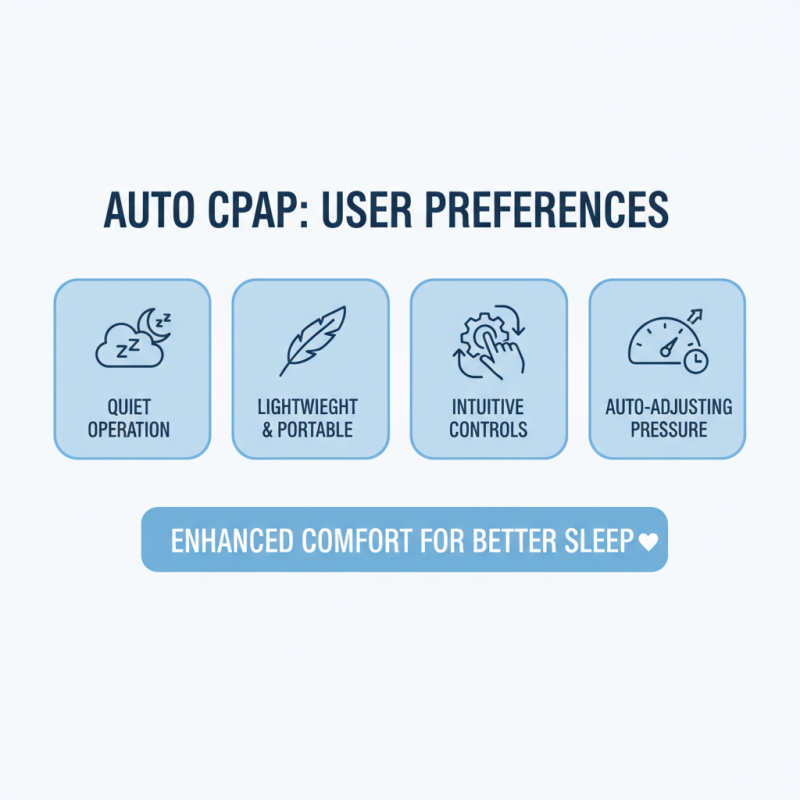
When choosing an auto CPAP machine, understanding customer preferences is essential. Many users seek comfort features. Quiet operation is a top consideration for better sleep. A lightweight design also makes portability easier for travel. Additionally, intuitive controls enhance user experience. Many desire machines that automatically adjust pressure settings throughout the night.
Another important aspect is data tracking. Users appreciate machines that provide insights into their sleep patterns. This information can aid in refining treatment. Smart connectivity options, like mobile apps and cloud storage, help users track progress. However, some users find these tech features overwhelming, preferring simpler machines without complex applications.
Comfort is key. Many users favor cushioned masks that minimize discomfort. Customizable settings can make a difference in user satisfaction. Despite advancements, some still face breathing challenges. Others may need time to adjust to new devices. These elements highlight the ongoing need for innovation in auto CPAP technology. Each individual's needs vary, suggesting a one-size-fits-all approach may not work.
Data-Driven Insights: How Auto CPAP Machines Improve Sleep Quality Metrics
Auto CPAP machines are gaining traction due to their ability to improve sleep metrics. According to a report by the American Academy of Sleep Medicine, over 80 million people experience sleep apnea worldwide. These machines adapt pressure settings continuously, optimizing airflow based on real-time data. They collect insights on mask fit, leak rates, and apnea events, showcasing detailed analytics for better management.
Recent studies indicate that patients using auto CPAP machines report a 30% improvement in sleep quality metrics. The average sleep efficiency rises to 85%, highlighting significant gains. Data-driven insights allow healthcare professionals to tailor treatments specifically. However, some users still struggle with adherence, and mask discomfort continues to be a common complaint. Continuous adjustments demand user feedback, underscoring the need for innovations in comfort.
The growing trend of smart technology integration also promises future improvements. Features such as smartphone connectivity can enhance user engagement. Yet, some patients express concern over data privacy. Collecting personal sleep data raises questions about security and use. This feedback loop is vital for future designs, ensuring that innovations prioritize user comfort and trust.
Market Growth Projections for Auto CPAP Technology Through 2026 and Beyond
The auto CPAP technology market is set for significant growth through 2026 and beyond. Factors like rising awareness about sleep apnea drive this trend. More patients seek effective solutions for better sleep quality. This demand pushes manufacturers to innovate and improve their products. Enhanced comfort and usability are crucial considerations for users.
Recent advancements focus on smart technology integration. Machines are becoming more user-friendly. Features include automatic pressure adjustments and sleep tracking capabilities. However, many users still struggle to adapt. Issues such as discomfort and noise persist for some. These challenges highlight the need for continued research and development in the field.
The market's future also depends on regulatory changes and healthcare policies. Collaboration between manufacturers and healthcare providers is essential. The goal is to create solutions that genuinely meet patients' needs. But not all innovations will succeed. Some may lack real benefits. This uncertainty presents a complex landscape for growth and progress in the auto CPAP market.