Why You Should Use a Pulse Oximeter for Health Monitoring?
In today's health-conscious world, monitoring one’s vital signs has never been more critical. A Pulse Oximeter is a small, portable device that measures blood oxygen saturation levels. This simple tool can provide valuable insights into your respiratory health and overall well-being.
Using a Pulse Oximeter regularly can empower individuals to take charge of their health. It provides immediate feedback, allowing users to notice changes quickly. If you experience symptoms like shortness of breath or persistent fatigue, this device can help identify potential issues. A well-functioning body depends on optimal oxygen levels, and maintaining that balance is essential.
However, it's important to reflect on the limitations of a Pulse Oximeter. It may not replace more comprehensive health assessments. Misinterpretations can occur, especially without professional guidance. Thus, while this tool is helpful, it should be used as part of a broader health management strategy.
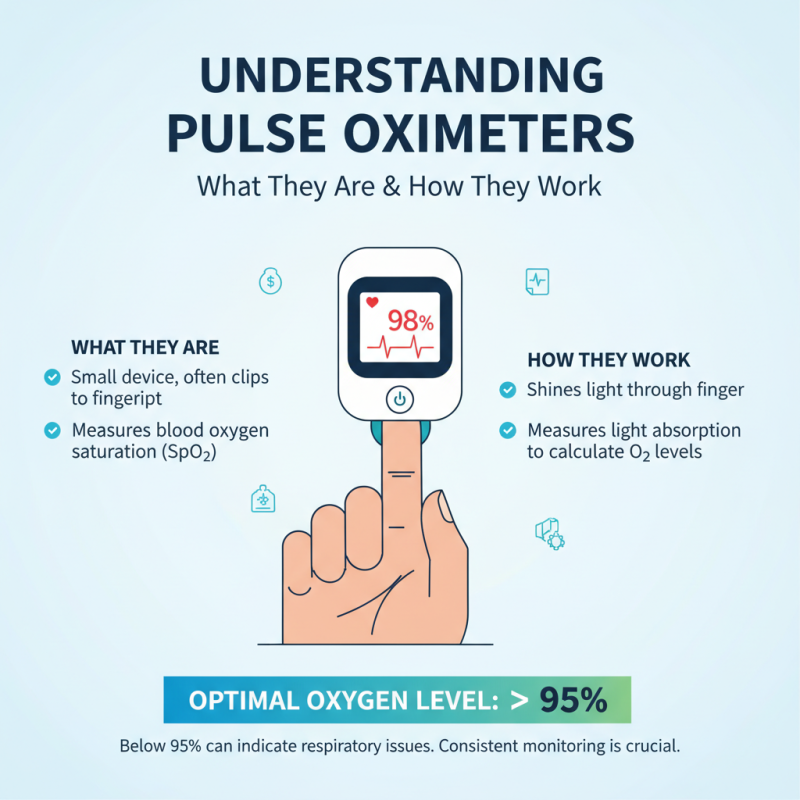
Understanding Pulse Oximeters: What They Are and How They Work
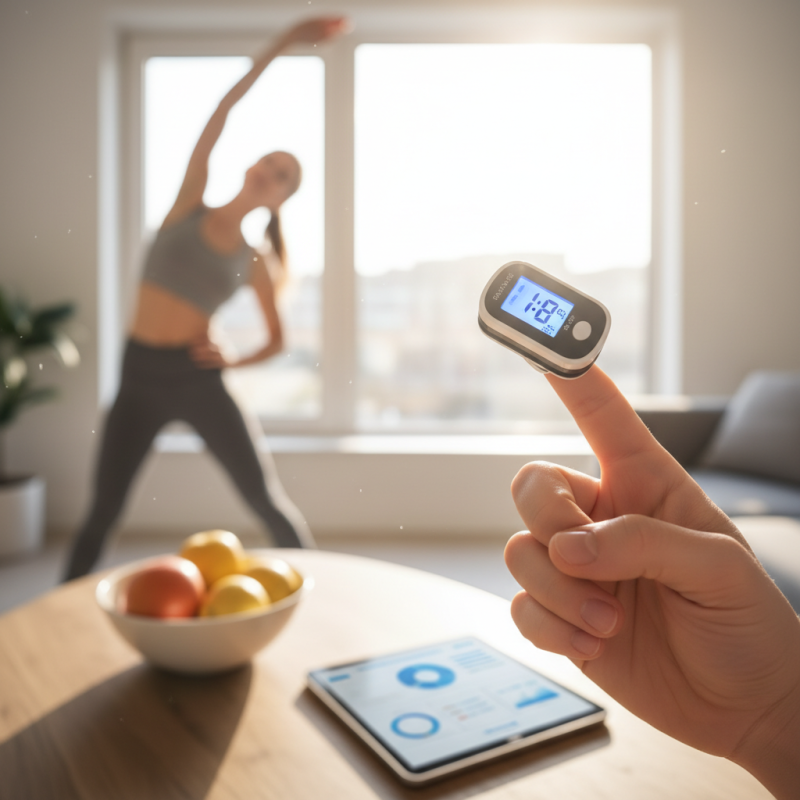
Pulse oximeters are essential tools in health monitoring. They measure the oxygen saturation of your blood, giving vital insights into respiratory health. This small device, often clipped onto a fingertip, provides real-time data. Research shows that maintaining an oxygen saturation level above 95% is crucial for optimal body function. Levels below this can indicate respiratory issues, potential illness, or worsening conditions, making consistent monitoring important.
When using a pulse oximeter, ensure it fits snugly but comfortably. A loose device may give inaccurate readings. It’s also vital to stay still during measurement; movement can lead to fluctuations in results. The National Institutes of Health report that many patients overlook this, leading to confusion over health statuses.
Tips: Regularly check your pulse oximeter's batteries for accuracy. Keep the device clean and free from debris. Remember, variations in skin color or nail polish could affect readings. Reflect on how often you use this tool and whether you’re tracking trends over time. Monitoring your oxygen levels consistently can provide peace of mind and a better understanding of your health.
Key Health Metrics Monitored by Pulse Oximeters
Pulse oximeters are essential tools for monitoring key health metrics. One of the primary measurements is blood oxygen saturation (SpO2). Healthy levels typically range from 95% to 100%. A reading below this might indicate respiratory issues. An estimated 1 in 5 people with chronic obstructive pulmonary disease (COPD) experience low oxygen levels, making regular monitoring vital.
Another important metric tracked is pulse rate. The average resting heart rate for adults varies from 60 to 100 beats per minute. Deviations can signal underlying health concerns. Research indicates that monitoring pulse rate can help detect arrhythmias early. This can prevent serious complications. Regular checks can make a difference in patient outcomes, especially for individuals with heart conditions.
Understanding these metrics is crucial. A significant drop in SpO2 can precede symptoms of respiratory distress. This highlights the importance of having accessible healthcare tools at home. However, not all pulse oximeters are equally accurate. Factors like skin pigmentation and conditions like anemia can affect readings. Users should remain aware of these variables. Monitoring is a proactive step but does not replace professional medical advice. Always consult healthcare providers when interpreting results.
Health Metrics Monitored by Pulse Oximeters
This chart represents key health metrics monitored by pulse oximeters, including oxygen saturation (SpO2), heart rate, and respiratory rate over a week. Monitoring these metrics can help assess your respiratory and overall health.
Benefits of Using Pulse Oximeters for Personal Health Tracking
Pulse oximeters are becoming essential for personal health monitoring. These small devices measure blood oxygen levels in real-time, providing critical insight into respiratory health. According to the American Thoracic Society, maintaining blood oxygen levels above 90% is crucial for overall health. Low levels could indicate various health issues, from respiratory conditions to heart problems.
Utilizing a pulse oximeter can enhance your health awareness. A study published in the Journal of Clinical Monitoring & Computing revealed that regular monitoring can detect early signs of hypoxemia, allowing for timely interventions. With the convenience of at-home monitoring, users can track their levels daily. This practice can also help identify trends over time, enhancing discussions with healthcare providers.
However, reliance solely on this data can be misleading. User error in device placement or malfunction can lead to inaccurate readings. Additionally, factors such as poor circulation or nail polish may affect results. Therefore, while valuable, pulse oximeters should complement, not replace, professional medical advice. Understanding their limitations is key to effective health management.
Why You Should Use a Pulse Oximeter for Health Monitoring? - Benefits of Using Pulse Oximeters for Personal Health Tracking
| Health Parameter |
Normal Range |
Importance of Monitoring |
| Blood Oxygen Saturation (SpO2) |
95% to 100% |
Critical for assessing respiratory function and oxygen delivery to tissues. |
| Pulse Rate |
60 to 100 beats per minute |
Indicates heart health, physical fitness, and can help detect arrhythmias. |
| Perfusion Index |
0.02% to 20% |
Provides information on blood flow and peripheral circulation. |
| Respiratory Rate |
12 to 20 breaths per minute |
Essential for assessing lung health and respiratory conditions. |
| Skin Temperature |
Approximately 32°C to 36°C (89.6°F to 96.8°F) |
Can indicate circulatory issues and overall health status. |
Who Should Consider Using a Pulse Oximeter Regularly?
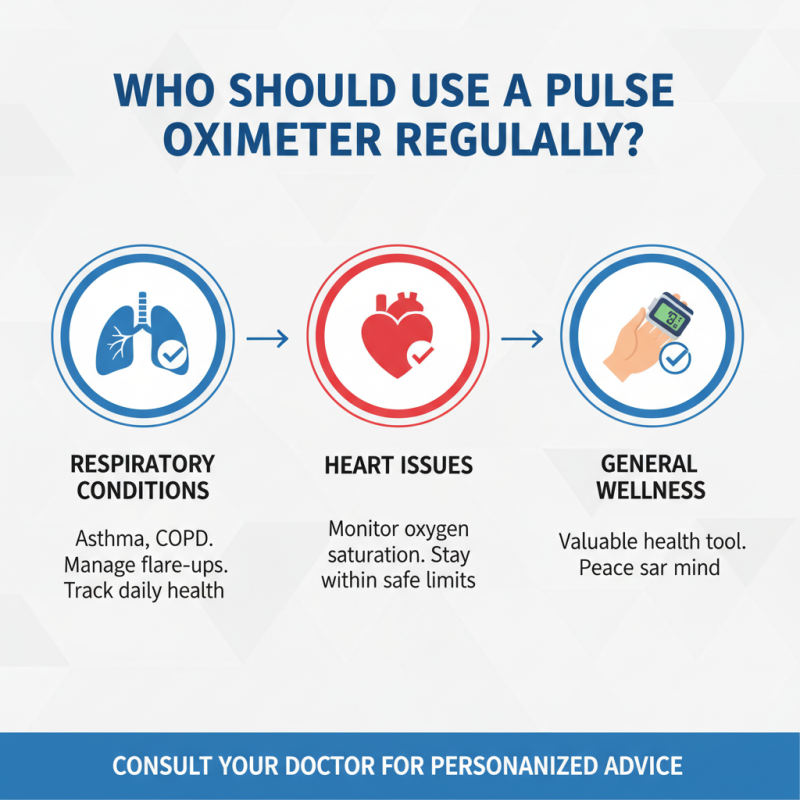
A pulse oximeter is a valuable tool for various individuals. Those with respiratory conditions, like asthma or COPD, should consider regular use. Monitoring oxygen levels helps in managing exacerbations and understanding daily health patterns. Additionally, people with heart issues may benefit from tracking their oxygen saturation, ensuring they stay within safe limits.
Athletes also find pulse oximeters useful. They can monitor their oxygen levels during intense workouts, adjusting their training accordingly. Even those who experience frequent fatigue should think about this device. Low oxygen levels might indicate underlying health issues that require attention.
It’s important to reflect on your health needs. Not everyone may need a pulse oximeter daily. However, for certain groups, it can provide crucial insights. Regular checks build awareness and can lead to informed decisions about health care. Understanding when to use this tool is essential for its effectiveness.
Limitations and Considerations When Using a Pulse Oximeter
When considering the use of pulse oximeters for health monitoring, it's crucial to recognize their limitations. These devices measure blood oxygen levels but can be influenced by factors like skin pigmentation, motion, or even nail polish. A study published in the Journal of Clinical Monitoring and Computing highlighted that darker skin can lead to falsely low oxygen saturation readings in up to 20% of cases. This inconsistency can mislead users about their health.
Accuracy diminishes in certain conditions. For example, peripheral vascular disease can affect readings due to reduced blood flow. It's important to understand that a pulse oximeter is not a definitive medical tool. False reassurance or unnecessary panic can stem from misinterpretation of the data it provides. According to the American Thoracic Society, the clinical context is critical. Relying solely on these readings without professional assessment can lead to poor health decisions.
Moreover, the user experience can vary. For individuals with certain medical conditions, the readings may not reflect true oxygen levels. Being aware of these limitations is vital. Users should complement pulse oximeter readings with other health indicators and consult healthcare professionals for accurate health assessments. Understanding these nuances can foster better health monitoring practices.