Top Benefits of Using an Oxygen Concentrator Machine for Home Healthcare
In recent years, the importance of at-home healthcare solutions has surged, particularly for individuals with respiratory conditions. One of the most significant advancements in this field is the Oxygen Concentrator Machine, a device designed to provide supplemental oxygen to those in need. As healthcare becomes increasingly personalized, the benefits of using an oxygen concentrator extend far beyond basic medical support. This machine not only enhances the quality of life for patients but also empowers them to maintain independence in their own homes.
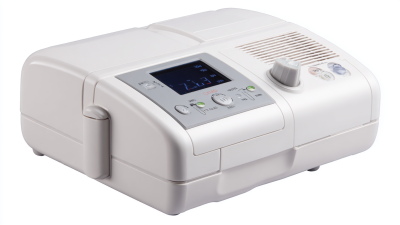
The Oxygen Concentrator Machine works by extracting oxygen from the surrounding air and delivering it in a concentrated form. This provides an effective and reliable source of oxygen therapy, essential for individuals suffering from ailments such as COPD, asthma, or other chronic respiratory diseases. With the convenience of home use, patients can manage their condition more effectively without the need for regular visits to medical facilities or reliance on portable oxygen tanks.
In this article, we will explore the top benefits of incorporating an Oxygen Concentrator Machine into home healthcare routines. From improving respiratory health to offering greater mobility, the advantages of this technology are vast and transformative. Understanding these benefits highlights the importance of accessible medical solutions in enhancing patient care and overall well-being.
Understanding Oxygen Concentrators and Their Functionality
Oxygen concentrators are essential devices in home healthcare, designed to deliver concentrated oxygen to patients suffering from respiratory issues. Unlike traditional oxygen tanks, which store oxygen under pressure, these machines extract oxygen from the ambient air, making them more convenient and cost-effective for long-term use. According to industry reports, approximately 300 million people worldwide suffer from respiratory diseases, with a significant portion benefiting from supplemental oxygen therapy. This statistic emphasizes the growing demand for oxygen concentrators in home settings, providing individuals with the necessary support to enhance their quality of life.
When using an oxygen concentrator, understanding its functionality is crucial for optimal use. These devices operate by drawing in air, filtering out nitrogen, and delivering over 90% pure oxygen through a nasal cannula or mask. The flow rate can typically be adjusted to meet patient needs, ranging from 1 to 10 liters per minute. Ensuring the machine is regularly maintained and cleaned not only prolongs its lifespan but also guarantees consistent performance.
Tips: Always check the device's oxygen levels and flow settings before use to ensure safety. Additionally, it's advisable to maintain a clean environment around the concentrator to prevent dust and allergens from entering the machine. Staying well-hydrated can also help improve respiratory function, facilitating better oxygen absorption in the body.
Key Health Benefits of Using an Oxygen Concentrator at Home
Using an oxygen concentrator at home can significantly enhance the quality of life for individuals with respiratory issues. These machines provide a steady supply of concentrated oxygen, which is essential for those suffering from conditions like COPD, asthma, or pulmonary fibrosis. The primary health benefit of using an oxygen concentrator is improved oxygen saturation in the bloodstream. This increase in oxygen levels can lead to better energy levels, enhanced cognitive function, and improved overall health.
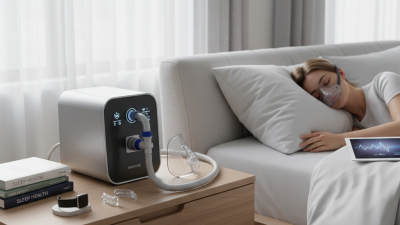
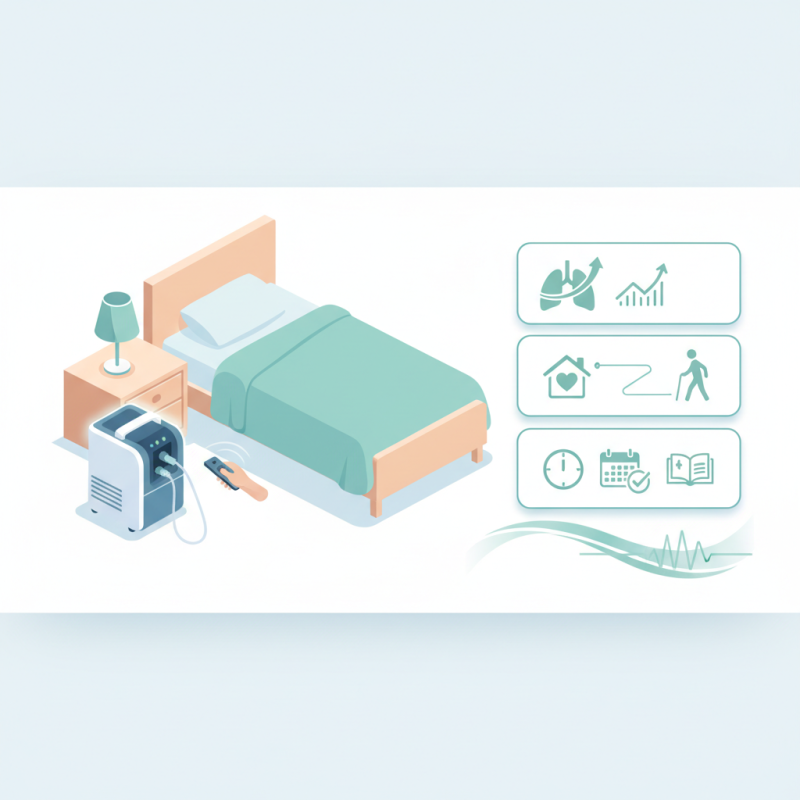
Moreover, oxygen concentrators are designed for convenience and ease of use at home. Unlike traditional oxygen tanks, they do not require refilling and can continuously supply oxygen as needed. This feature allows users to maintain their daily routines without the worry of running out of oxygen. Importantly, the consistent availability of oxygen can help reduce feelings of anxiety and improve sleep quality, which are crucial for overall well-being.
Tips for using an oxygen concentrator effectively include ensuring the device is set up in a well-ventilated space to prevent overheating and regularly checking the filters to maintain optimal performance. Additionally, it's beneficial to keep a log of oxygen levels, as monitoring can provide valuable insights into health changes over time. This practice not only promotes a greater understanding of one's health but also aids healthcare providers in tailoring treatment plans.
Top Benefits of Using an Oxygen Concentrator Machine for Home Healthcare
This chart displays the key health benefits of using an oxygen concentrator machine at home, rated on a scale from 1 to 10. The benefits include improved oxygen levels, enhanced sleep quality, increased energy, better mood, and easier breathing, showcasing the significant impact of oxygen therapy on home healthcare.
Comparison: Oxygen Concentrators vs. Traditional Oxygen Tanks
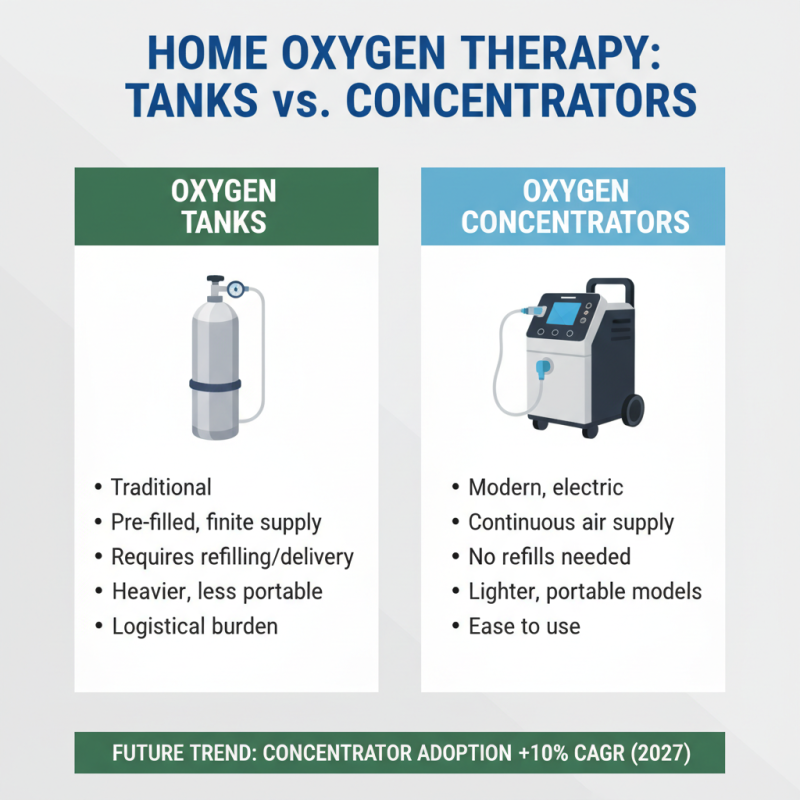
When it comes to home healthcare, the choice between oxygen concentrators and traditional oxygen tanks can significantly impact patient wellbeing. According to a report by the Global Oxygen Concentrators Market Analysis, the adoption of oxygen concentrators is projected to grow at a CAGR of 10% through 2027, driven by their convenience and efficiency. Unlike traditional oxygen tanks, which require periodic refilling and careful handling, oxygen concentrators provide a continuous supply of oxygen, extracting it from the ambient air. This feature not only eases the burden of logistics but also ensures that patients receive uninterrupted therapy.
Moreover, the cost-effectiveness associated with oxygen concentrators cannot be overlooked. A study by the National Institutes of Health indicates that while the initial investment may be higher, the long-term costs associated with refilling tanks and transportation can amount to significant savings. Traditional tanks typically have a limited volume, necessitating frequent replacements, which can hinder patient mobility and independence. By contrast, oxygen concentrators offer the flexibility of home use, with many models designed for portability, allowing patients to maintain an active lifestyle while managing their oxygen therapy effectively. This shift towards oxygen concentrators is reinforcing their position as a preferred choice in modern home healthcare solutions.
Maintenance and Care Tips for Home Oxygen Concentrators
Proper maintenance and care of home oxygen concentrators are essential to ensure they function optimally and safely. Regularly cleaning the device is crucial; users should follow the manufacturer's instructions for cleaning the exterior and internal components. This often includes wiping down surfaces with a damp cloth and replacing filters as recommended. Dust and debris can accumulate, posing a risk to both the performance of the concentrator and the health of the user, so maintaining a clean environment around the device is also beneficial.
In addition to routine cleaning, it is important to monitor the device’s performance regularly. Users should check for any unusual noises, changes in flow rate, or warning lights that may indicate a malfunction. Keeping a log of operating hours can help track when maintenance or replacement parts may be needed. Furthermore, ensuring that the concentrator is placed in a well-ventilated area, away from heat sources or direct sunlight, can extend its lifespan and enhance safety. By following these maintenance tips, users can rely on their oxygen concentrators for effective home healthcare support.
Choosing the Right Oxygen Concentrator for Your Needs
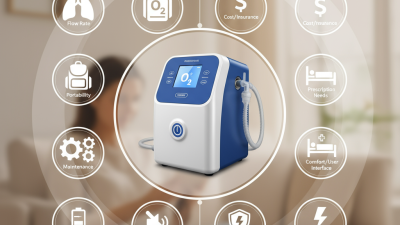
When selecting an oxygen concentrator for home healthcare, it’s essential to consider a variety of factors that cater to your specific needs. First, assess the flow rate required based on your physician's recommendations. Oxygen concentrators are available in both continuous flow and pulse dose options. Continuous flow models deliver a steady supply of oxygen, while pulse dose devices provide oxygen only when the patient inhales. Understanding your oxygen flow requirements will ensure you choose a machine that suits your lifestyle and health condition.
Another important factor is mobility and portability. If you'll be using the concentrator at home primarily but also need to travel or go out occasionally, look for lightweight, battery-operated models that are easy to transport. Conversely, if the unit will be stationary, prioritize features such as noise level, durability, and ease of maintenance. Additionally, consider the setting and space available in your home for the device, as this will impact the type you should choose. Ultimately, spending time evaluating these factors will help you select the right oxygen concentrator that aligns both with your medical needs and daily activities.