Best Blood Pressure Monitors of 2025 for Home Use and Health Tracking
As we navigate the ever-evolving landscape of health technology, the importance of tracking vital signs like blood pressure at home has never been more critical. In 2025, the best blood pressure monitors available are designed not just for accuracy, but for seamless integration into daily life, facilitating proactive health management. Dr. Emily Carter, a leading expert in cardiovascular health, emphasizes, "The right blood pressure monitor empowers individuals to take control of their heart health, making early detection and intervention possible."
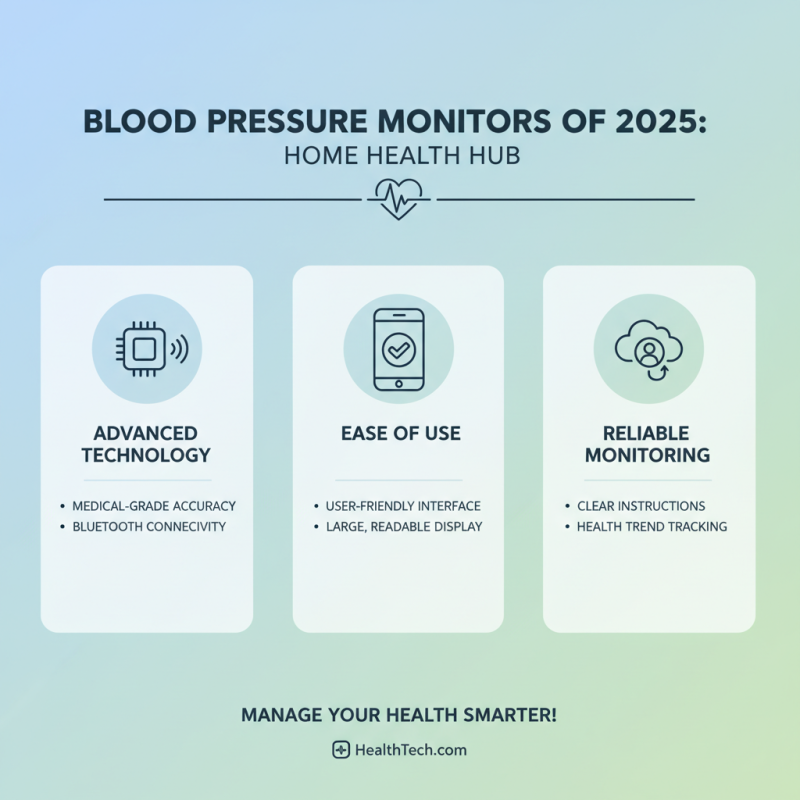
With advancements in technology, modern blood pressure monitors offer user-friendly features such as smartphone connectivity, real-time data analysis, and personalized health insights. These innovations are transforming the way we think about monitoring our health, making it accessible for individuals of all ages. As blood pressure conditions continue to rise globally, selecting the right monitor becomes crucial for regular tracking and informed health decisions.
In this guide, we will explore the top blood pressure monitors of 2025, highlighting their features, ease of use, and the role they play in promoting better health outcomes. Through informed choices, we can all take significant steps towards maintaining a healthier lifestyle, underpinned by reliable and accurate health tracking tools.
Overview of Blood Pressure Monitors for Home Use in 2025
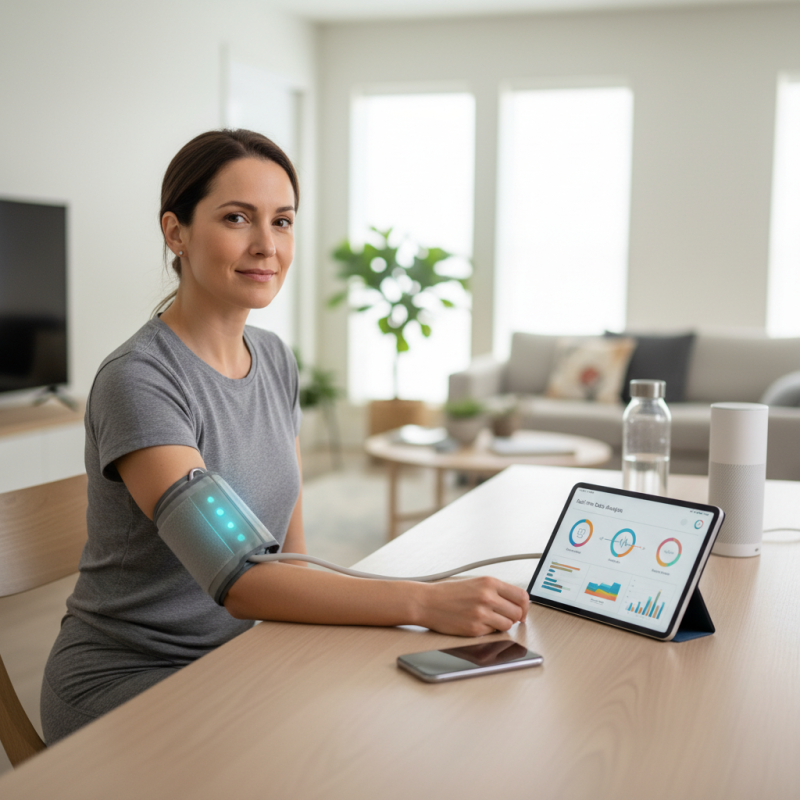
As home health monitoring becomes increasingly important, particularly in managing conditions like hypertension, the demand for reliable blood pressure monitors has surged. A report by the American Heart Association indicates that nearly 50% of adults in the U.S. have high blood pressure, underscoring the need for effective at-home management tools. In 2025, innovations in blood pressure monitors are expected to enhance user-friendliness, accuracy, and connectivity, making it easier for individuals to keep track of their health metrics over time.
Current trends suggest that consumers are gravitating towards monitors that offer features such as Bluetooth connectivity and integration with health tracking apps. According to a study from the Journal of Medical Internet Research, patients who utilize connected devices for monitoring their blood pressure exhibit higher adherence rates to their prescribed management plans. Moreover, advancements in technology are resulting in the development of more compact and portable devices, catering to the modern lifestyle of users who prioritize convenience without compromising on functionality. As we move forward, these technological enhancements are likely to transform the landscape of home healthcare, fostering proactive management of blood pressure and related health conditions.
Key Features to Look for in a Home Blood Pressure Monitor
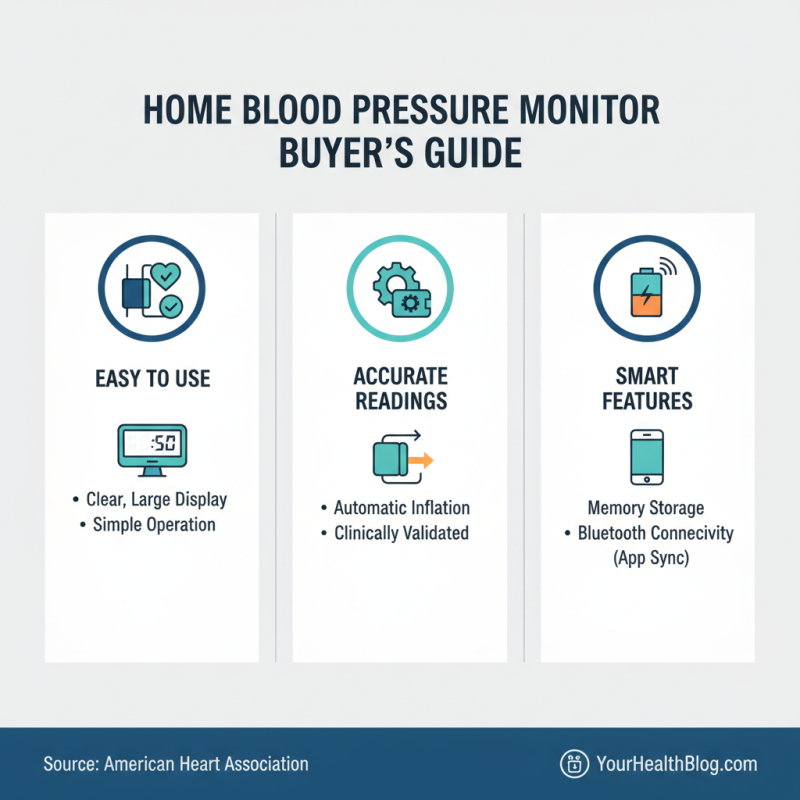
When selecting a blood pressure monitor for home use, several key features should be considered to ensure reliable and accurate readings. According to a report from the American Heart Association, an estimated 47% of adults in the United States have high blood pressure, making effective monitoring essential for managing this condition. A monitor should be easy to use, featuring a clear display that shows readings in large, legible numbers. Automatic inflation is also advantageous, as it reduces user error and improves the consistency of measurements.
Connectivity features have gained traction in recent years, allowing users to sync their readings with smartphones or health tracking applications. A survey by the National Institutes of Health found that digital tracking can positively influence a patient's health management, enabling better data collection and sharing with healthcare professionals. Additionally, look for monitors that offer irregular heartbeat detection, as this can provide early warnings about potential cardiovascular issues. Finally, consider the fit and comfort of the cuff, as an ill-fitting cuff can lead to inaccurate readings, undermining the device's efficacy in managing blood pressure levels.
Top Recommended Blood Pressure Monitors of 2025
In 2025, the selection of blood pressure monitors for home use and health tracking has significantly improved, catering to a growing demographic of health-conscious consumers. According to a recent report by the American Heart Association, nearly 116 million adults in the United States are affected by hypertension, making the reliable monitoring of blood pressure crucial. The best monitors of this year are designed not only for accuracy but also for user-friendliness, allowing individuals to track their health metrics conveniently from the comfort of their homes.
One key feature to look for in a recommended blood pressure monitor is its ability to connect with mobile devices, enabling users to log and analyze their data over time. A report from the Global Health Data Exchange indicates that technology integration in health monitoring devices can improve adherence to treatment plans and encourage proactive health management. Moreover, many modern monitors have advanced algorithms that not only measure blood pressure but also provide insights into overall cardiovascular health, allowing users to make informed decisions about their lifestyle and medical care. As the trend toward personalized healthcare continues to grow, these devices play an essential role in empowering individuals to take charge of their health.
Best Blood Pressure Monitors of 2025 for Home Use
Comparative Analysis of Smart Features in Blood Pressure Monitors
When choosing a blood pressure monitor for home use, the smart features offered can significantly enhance the user experience and improve health tracking. Modern devices often connect seamlessly with smartphones and other digital platforms, allowing users to easily log their readings and observe trends over time. This connectivity not only fosters a more engaged approach to health management but also enables sharing data with healthcare providers for more informed medical advice.
Furthermore, advanced monitors are equipped with various smart features such as heart rate monitoring, irregular heartbeat detection, and multi-user settings. These functionalities provide a comprehensive picture of cardiovascular health, catering to the needs of multiple family members without compromising on user-specific data security. The integration of artificial intelligence in some models also aids in personalized health tips and reminders, making it simpler for individuals to stick to their monitoring routines. As technology continues to evolve, the importance of these smart features in blood pressure monitors becomes increasingly evident, transforming them into essential tools for proactive health management.
Best Blood Pressure Monitors of 2025 for Home Use and Health Tracking - Comparative Analysis of Smart Features in Blood Pressure Monitors
| Monitor Type |
Smart Features |
Connectivity Options |
Battery Life |
Price Range ($) |
| Automatic Upper Arm |
Heart Rate Monitoring, Irregular Heartbeat Detection |
Bluetooth, Wi-Fi |
Up to 1 year |
50 - 70 |
| Wrist Monitor |
Sleep Tracking, Activity Alerts |
Bluetooth |
6 months |
40 - 60 |
| Digital Upper Arm |
Data Sharing, Multi-User Support |
Wi-Fi |
2 years |
60 - 90 |
| Portable Monitor |
Mobile App Integration, Reminder Alerts |
Bluetooth, USB |
1 year |
30 - 50 |
User Reviews and Patient Experiences with 2025 Blood Pressure Monitors
With the increasing emphasis on health monitoring, blood pressure monitors have become an essential tool for many people managing their health at home. User reviews highlight that the best monitors of 2025 feature advanced technology, combining ease of use with accuracy. Many individuals appreciate models that offer user-friendly interfaces, ensuring that even those who are not tech-savvy can effectively track their blood pressure levels. Personal experiences often underscore the importance of clear instructions and readability of results, which contribute to a more reliable monitoring experience.
Patient experiences reveal a growing trend towards connected devices that integrate with mobile applications, allowing users to track their readings over time. Users frequently mention the benefits of receiving reminders for measurement times and the ability to share data with healthcare providers directly through these apps. This connectivity not only enhances the monitoring process but also fosters a sense of empowerment among patients as they take active roles in managing their cardiovascular health. Additionally, reviews often reflect satisfaction with features such as multi-user storage, further accommodating families or households where several individuals might require regular monitoring.