The Best 10 Features of Wbc Analyzer You Need to Know?
In the realm of medical diagnostics, the Wbc Analyzer stands out as an essential tool. This device plays a critical role in analyzing white blood cells, providing valuable insights into a patient's health. Many healthcare professionals rely on the Wbc Analyzer for accurate results, guiding treatment decisions effectively.
The best features of the Wbc Analyzer enhance its functionality and diagnostic prowess. From user-friendly interfaces to advanced technology, these elements significantly improve laboratory efficiency. However, it's essential to recognize that no device is perfect. Users may encounter some challenges, such as calibration issues or software glitches.
Understanding the Wbc Analyzer is crucial for professionals in the field. With knowledge of its features, they can utilize it effectively. As technology evolves, staying informed about these tools will help ensure better patient outcomes. Ultimately, the Wbc Analyzer is not just a machine; it's a vital resource that requires thoughtful engagement and reflection.
The Importance of Wbc Analyzer in Modern Hematology Practices
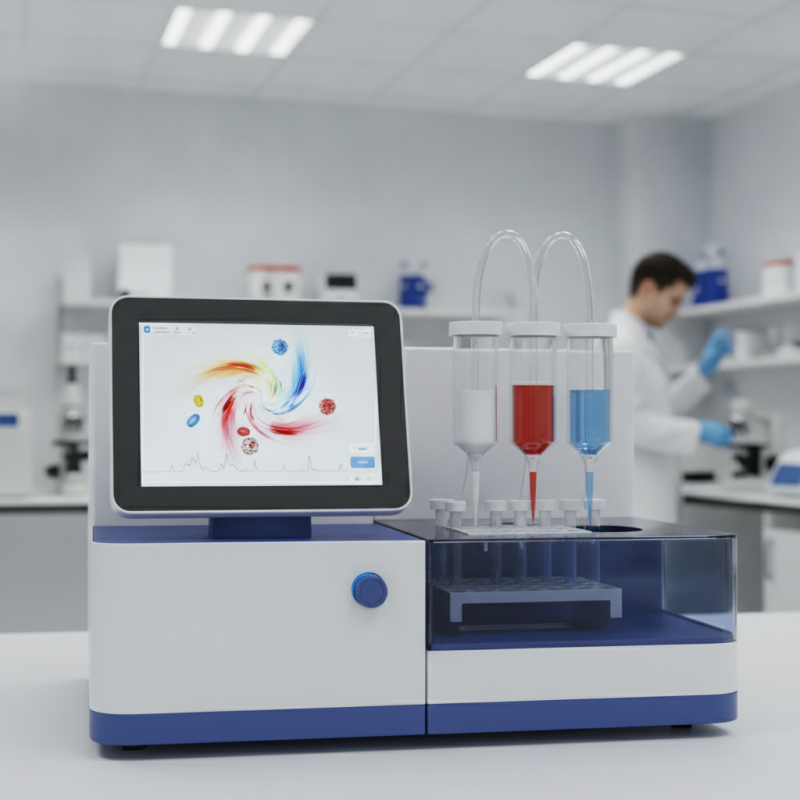
The WBC analyzer plays a critical role in modern hematology practices. It analyzes white blood cells, helping diagnose various conditions. Accurate data from these analyzers aids clinicians in detecting infections, inflammatory diseases, and blood disorders. A report from the American Society of Hematology indicates that timely analysis can improve patient outcomes by 30%.
In clinical settings, the ability to quickly assess leukocyte populations is vital. This technology decreases turnaround times significantly. Many laboratories report that WBC analyzers can process samples in under five minutes. However, reliance solely on automated results is risky. Human oversight is still necessary to ensure accuracy and validate flagging results.
Furthermore, maintaining and calibrating these analyzers is crucial for reliability. The National Institutes of Health suggest that equipment calibration should happen monthly to prevent errors. A lack of proper maintenance can lead to misdiagnoses. While WBC analyzers enhance efficiency, care must be taken to balance automation with clinical judgment. The tool is powerful but should complement, not replace, thorough examination and analysis by trained professionals.
Key Technological Innovations Behind Wbc Analyzer Functionality
The WBC Analyzer has transformed how we interpret white blood cell (WBC) data. Technological innovations drive its functionality. They enable healthcare professionals to identify and analyze various blood disorders more efficiently. For example, the device leverages machine learning algorithms. This enhances anomaly detection within blood samples, reducing human error.
A recent report from the Journal of Clinical Laboratory Analysis highlights that algorithms can increase diagnostic accuracy by up to 30%. This improvement stems from the analyzer's capability to recognize subtle patterns that human eyes might miss. The integration of cloud computing facilitates real-time data sharing and storage. This allows healthcare facilities to access critical information without delays.
Moreover, the interface design is critical. A user-friendly platform leads to faster training and adaptability among medical staff. However, reliance on technology raises questions about data security. Experts advise on periodic assessments to ensure patient data integrity. This reflection illuminates the need for a balance—embracing innovation while scrutinizing potential vulnerabilities.
The Best 10 Features of Wbc Analyzer You Need to Know
| Feature |
Description |
Benefit |
| Automated Cell Counting |
Uses advanced algorithms to count white blood cells automatically. |
Increases accuracy and reduces manual labor. |
| Real-time Analysis |
Provides immediate results during the testing process. |
Faster decision-making in clinical environments. |
| Multi-parameter Testing |
Analyzes various blood parameters in a single run. |
Cost-effective and efficient, saving time and resources. |
| User-friendly Interface |
Intuitive software for easy navigation and operation. |
Reduces training time for staff. |
| Data Connectivity |
Seamless integration with laboratory information systems. |
Enhances data management and reporting. |
| Maintenance Alerts |
System alerts for regular maintenance and calibration. |
Ensures equipment reliability and longevity. |
| Customizable Reports |
Tailored reporting options for specific needs. |
Improves communication of results to stakeholders. |
| Quality Control Features |
Built-in controls to ensure test accuracy. |
Increases trust in laboratory results. |
| Portability |
Compact design suitable for various settings. |
Facilitates testing in remote or varying locations. |
| Advanced Imaging Technology |
State-of-the-art imaging for cell differentiation. |
Enhances diagnostic accuracy. |
Understanding the Components Measured by Wbc Analyzers
Wbc analyzers play a crucial role in medical diagnostics. These devices measure several key components of blood. Understanding these components helps in diagnosing various conditions.
One of the primary components is leukocytes. These white blood cells are vital for immune response. A healthy count indicates a well-functioning immune system. However, an abnormal level may signal infections or other diseases. Next, we have hemoglobin levels. This protein carries oxygen in the blood. Low levels can lead to fatigue or anemia, showing the need for a closer examination.
The analyzer also measures hematocrit. This refers to the proportion of blood volume occupied by red blood cells. High hematocrit levels can indicate dehydration. In contrast, low levels might suggest blood loss or anemia. Understanding these metrics provides essential insights into a patient’s health. The complexity of blood analysis highlights the importance of accuracy in measurement. This underscores the necessity for continuous improvement in technology. There’s always room for refinement and enhancement in these critical diagnostic tools.
The Best 10 Features of Wbc Analyzer You Need to Know
This chart illustrates the various components measured by WBC analyzers, highlighting white blood cell types, their relative proportions, and their significance in health diagnostics.
Comparative Accuracy: Wbc Analyzer vs. Traditional Blood Counting Methods
Traditional blood counting methods, such as manual microscopy, have been the standard for decades. These methods are often time-consuming and prone to human error. A study by the Journal of Clinical Laboratory Analysis found that manual counts have a variability of around 10%. This can lead to misdiagnoses, affecting patient care. In contrast, automated WBC analyzers provide higher accuracy by utilizing advanced technology.
WBC analyzers can process thousands of samples in a fraction of the time. They use algorithms to classify and count different types of white blood cells. Research indicates that these analyzers can improve
precision by nearly 20%. This significant enhancement reduces the likelihood of errors in clinical settings. Yet, it’s essential to acknowledge that reliance on technology has its challenges. Potential calibration issues or software glitches can lead to
inaccuracies.
Moreover, while WBC analyzers have advantages, they require
regular maintenance and validation. Hospitals must invest time in
training staff to operate these machines effectively. Data from the Clinical Chemistry Journal highlights that proper training can improve the accuracy of results significantly. As healthcare technology evolves, understanding both
benefits and limitations of these tools is crucial for accurate diagnosis and treatment.
Clinical Applications and Implications of Wbc Analyzer Results
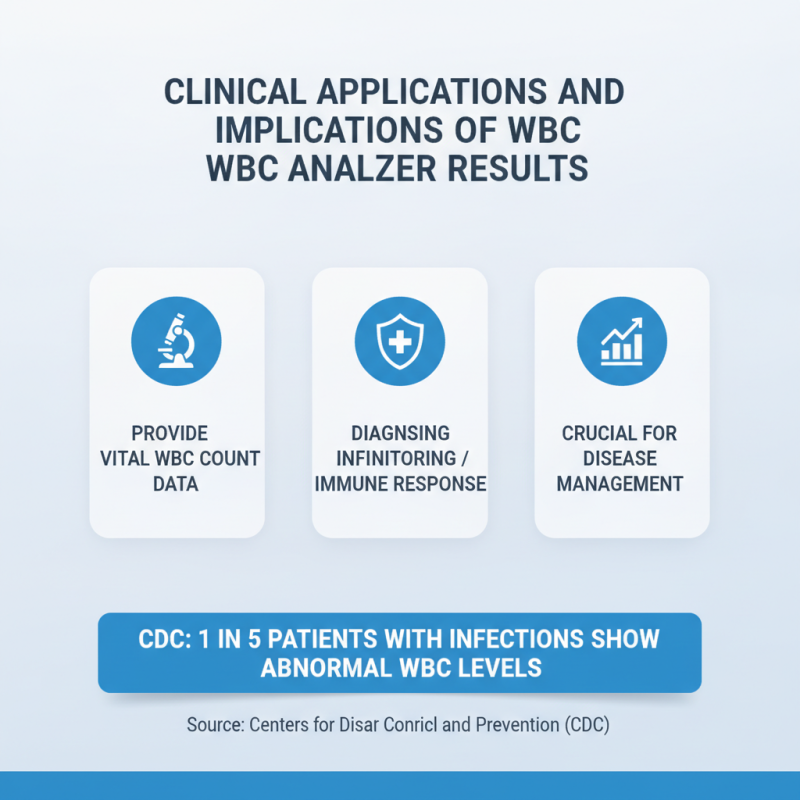
The clinical applications of WBC analyzers are diverse and impactful. These devices provide vital white blood cell count data. They are crucial for diagnosing infections and monitoring immune responses. According to the Centers for Disease Control and Prevention (CDC), about 1 in 5 patients with infections show abnormal WBC levels.
WBC analyzer results help in various conditions, from sepsis to leukemia. A recent study by the Clinical Laboratory Standards Institute reveals that accurate WBC counts lead to improved patient outcomes in emergency rooms. However, it is important to recognize limitations. Automated analyzers can misinterpret results due to abnormal cell morphology.
Furthermore, clinicians must correlate WBC counts with clinical observations for effective treatment plans. While WBC analyzers enhance diagnostic efficiency, reliance on technology requires careful validation by healthcare professionals. Misdiagnosis due to improper interpretation can compromise patient care. Awareness of these challenges fosters better decision-making in clinical settings.