2025 How to Choose the Best Sleep Apnea Devices for Better Sleep Health
Sleep apnea, a common yet often underestimated sleep disorder, affects millions of people worldwide. According to the American Academy of Sleep Medicine, it is estimated that over 22 million Americans currently suffer from obstructive sleep apnea (OSA), with many more going undiagnosed. This condition not only disrupts sleep patterns but also significantly impacts overall health, leading to complications such as cardiovascular disease, diabetes, and depression. As awareness of sleep apnea rises, the demand for effective treatment options, particularly sleep apnea devices, has surged.
Selecting the right sleep apnea devices is crucial for those seeking better sleep health. These devices range from continuous positive airway pressure (CPAP) machines to oral appliances that aid in maintaining open airways during sleep. A report from the Global Market Insights projected the sleep apnea device market to surpass $8 billion by 2026, demonstrating the increasing reliance on technology to improve sleep quality and manage sleep disorders. With a wide array of options available, understanding the different types of sleep apnea devices and their respective benefits will empower individuals to make informed choices tailored to their specific needs, ultimately leading to better sleep health and improved quality of life.
Understanding Sleep Apnea: Types and Symptoms
Sleep apnea is a common sleep disorder characterized by repeated interruptions in breathing during sleep. It primarily manifests in two types: obstructive sleep apnea (OSA) and central sleep apnea (CSA). OSA occurs when the throat muscles intermittently relax and block the airway during sleep, leading to snoring and gasping for air. Conversely, CSA is less common and happens when the brain fails to send proper signals to the muscles that control breathing, resulting in periods of shallow breathing or stopped breathing altogether.
Symptoms of sleep apnea can vary but commonly include daytime fatigue, difficulty concentrating, and loud snoring. Individuals may also experience restless sleep, morning headaches, or mood changes due to poor sleep quality. Recognizing these symptoms is crucial, as untreated sleep apnea can lead to more severe health issues such as cardiovascular problems, diabetes, and increased risk of accidents. Understanding the types and symptoms of sleep apnea is the first step towards seeking appropriate treatment and enhancing overall sleep health.
Evaluating Sleep Apnea Devices: Key Features to Consider
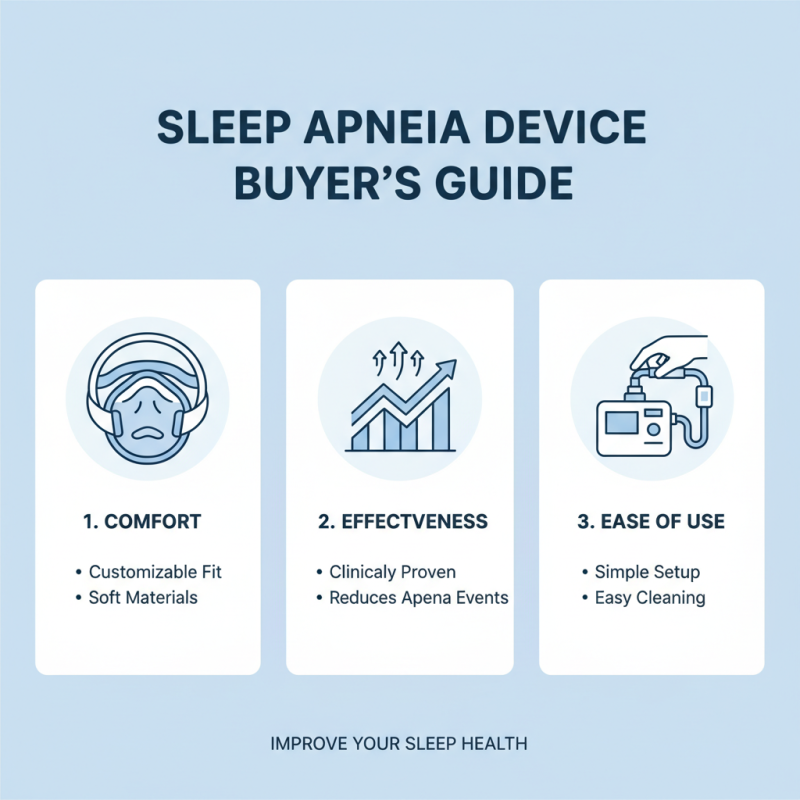
When evaluating sleep apnea devices, it's essential to consider several key features that can significantly impact your overall sleep health. First and foremost, the comfort of the device is paramount. Many users will likely wear their devices for extended periods, so choosing a model that fits well and is uncomfortable is crucial for ensuring consistent use. Look for adjustable straps and customizable components that can accommodate individual preferences and facial structures.
Another critical aspect to evaluate is the device's noise level. A quiet machine allows for a more restful environment, promoting better sleep quality for both the user and anyone sleeping nearby. Many modern devices offer noise-reduction technology or operate at lower decibel levels, making it easier to incorporate them into your nightly routine without disturbing your peace.
**Tips:** Before making a purchase, consider conducting a trial period if possible. Testing different devices in the comfort of your own home can provide valuable insight into how they affect your sleep. Additionally, pay attention to the ease of maintenance, as regular cleaning and upkeep are vital for the longevity and efficacy of sleep apnea devices.
Comparing CPAP, BiPAP, and APAP Machines
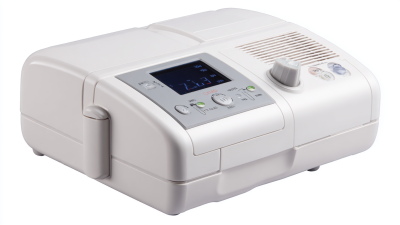
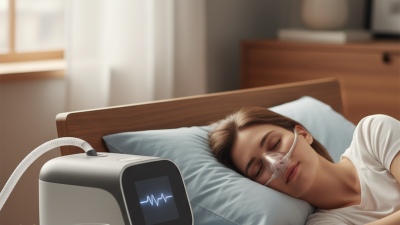
When it comes to managing sleep apnea, selecting the right device can significantly impact sleep quality and overall health. The three primary types of machines commonly used are CPAP, BiPAP, and APAP, each offering unique features and benefits suited to different needs. CPAP, or Continuous Positive Airway Pressure, delivers a constant stream of air to keep the airways open during sleep. This straightforward approach is often recommended for mild to moderate sleep apnea, providing a consistent pressure throughout the night.
BiPAP, or Bilevel Positive Airway Pressure, operates differently by offering two levels of pressure: a higher pressure for inhalation and a lower pressure for exhalation. This dual pressure can be beneficial for patients who have difficulty exhaling against the constant pressure of a CPAP machine. BiPAP is typically used for more complex cases, including those with higher severity of sleep apnea or additional respiratory conditions.
APAP, or Automatic Positive Airway Pressure, is a more advanced option that adjusts the pressure throughout the night based on the user’s breathing patterns. This flexibility helps in providing the necessary airflow while accommodating for natural variations in breathing during sleep. Individuals with fluctuating apnea severity or those who require different pressures at various times may find APAP to be the ideal choice. By evaluating the specific characteristics and benefits of each device, users can make informed decisions that enhance their sleep health.
Exploring Oral Appliances for Sleep Apnea Treatment
Oral appliances have emerged as a popular treatment option for individuals suffering from sleep apnea, particularly obstructive sleep apnea (OSA). According to the American Academy of Sleep Medicine, these devices can effectively reduce the severity of OSA symptoms for many patients. Unlike continuous positive airway pressure (CPAP) machines, which can be cumbersome and inconvenient, oral appliances are typically more comfortable and easier to use. They work by repositioning the jaw and tongue to keep the airway open during sleep, thereby enhancing airflow and minimizing pauses in breathing.
Research indicates that approximately 30-50% of patients with mild to moderate OSA prefer oral appliances over traditional CPAP therapy due to issues with adherence and comfort. A study published in the Journal of Clinical Sleep Medicine found that oral appliances can provide similar levels of improvement in quality of life, daytime sleepiness, and overall satisfaction as CPAP devices when used long-term. These findings suggest that for many individuals, particularly those who may not tolerate CPAP well, oral appliances can be an effective alternative for managing sleep apnea.
2025 How to Choose the Best Sleep Apnea Devices for Better Sleep Health - Exploring Oral Appliances for Sleep Apnea Treatment
| Device Type |
Effectiveness |
Comfort Level |
Adjustability |
Price Range |
Average User Ratings |
| Mandibular Advancement Devices |
80% effective |
Moderate |
High |
$300 - $1000 |
4.2/5 |
| Tongue Retaining Devices |
70% effective |
Moderate |
Low |
$200 - $800 |
3.8/5 |
| Adjustable Oral Appliances |
85% effective |
High |
Very High |
$400 - $1200 |
4.5/5 |
| Custom-Fit Appliances |
90% effective |
Very High |
Extremely High |
$800 - $2000 |
4.7/5 |
| Over-the-Counter Devices |
65% effective |
Low |
Low |
$50 - $300 |
3.5/5 |
Establishing a Successful Sleep Routine with Chosen Devices
Establishing a successful sleep routine is essential for individuals dealing with sleep apnea, a condition affecting around 22 million Americans, according to the American Sleep Apnea Association. Choosing the right devices can significantly enhance sleep quality and overall health. Continuous Positive Airway Pressure (CPAP) machines remain the gold standard in treating sleep apnea, providing consistent airflow to keep the airway open. Research shows that compliance with CPAP therapy can reduce the risk of cardiovascular issues and improve daytime alertness, with up to 70% of compliant users reporting better sleep quality.
In addition to CPAP devices, there are other solutions such as oral appliances and positional therapy devices that can complement a sleep routine. According to the National Heart, Lung, and Blood Institute, about 30% of patients with obstructive sleep apnea achieve satisfactory results with these alternatives, especially when used in conjunction with lifestyle modifications. Implementing a structured sleep schedule, optimizing sleep environment, and utilizing these devices effectively can lead to improved sleep health. Overall, selecting the appropriate device tailored to individual needs is crucial for establishing a successful sleep routine and improving the quality of life for those with sleep apnea.
2025 Sleep Apnea Devices Effectiveness Comparison