Why Choose a Home Oxygen Concentrator for Your Needs?
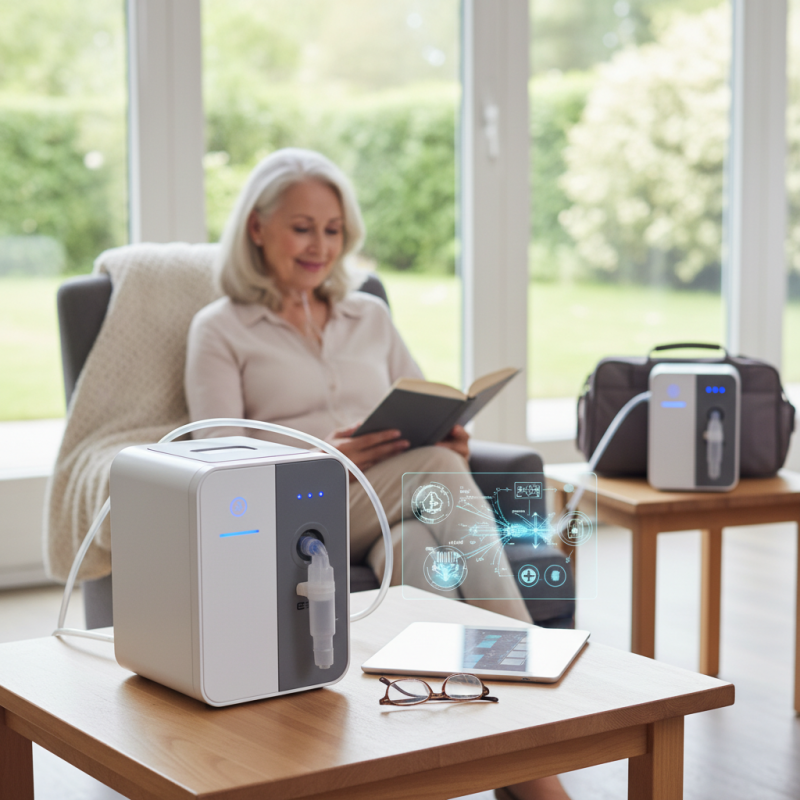
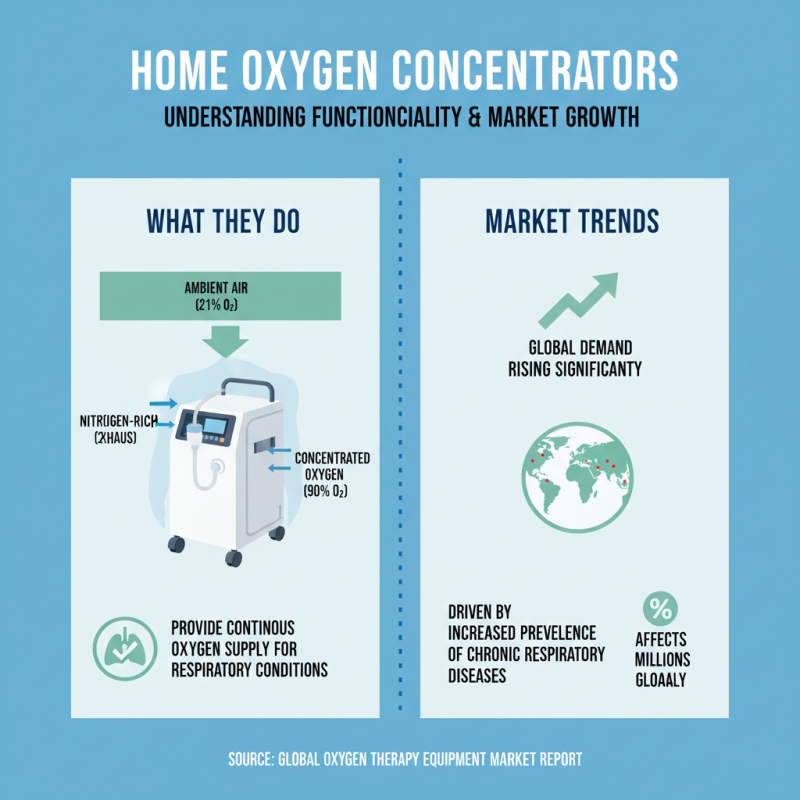
Choosing the right oxygen therapy can be overwhelming. A Home Oxygen Concentrator (HOC) offers a solution for those needing supplemental oxygen. It draws in air, filters out nitrogen, and delivers purified oxygen. This process is efficient and convenient.
Using an HOC promotes independence. Patients can manage their health from the comfort of home. No more frequent trips to refill oxygen tanks. The portable options allow easy mobility, making daily activities more manageable.
However, the choice requires careful consideration. Not every patient will benefit equally from an HOC. It’s essential to consult healthcare professionals to ensure the right fit for individual needs. Understanding the technology can also feel complex. It’s important to evaluate features and specifications to make an informed decision.
Understanding Home Oxygen Concentrators and Their Functionality
Home oxygen concentrators play a crucial role in managing respiratory conditions. These devices extract oxygen from the ambient air, providing a constant supply of concentrated oxygen for patients. A report by the Global Oxygen Therapy Equipment Market indicates that the demand for these concentrators is set to grow significantly. This surge is primarily due to the increasing prevalence of chronic respiratory diseases, which affect millions globally.
Understanding how these concentrators work can help users make informed decisions. Unlike traditional oxygen tanks, home oxygen concentrators are portable and refillable. They are designed to be quiet and efficient. Most models are capable of delivering oxygen continuously, which is essential for patients with conditions such as COPD or emphysema. However, some users experience challenges, like adjusting to the noise level or the weight of the device during transport.
Despite their benefits, not everyone may find a perfect fit with a home oxygen concentrator. Users might face technical issues, such as decreased flow rates over time. It's essential to conduct regular maintenance to ensure they operate effectively. Regular check-ups with healthcare providers can guide users to the best usage practices, ensuring they get the most out of their oxygen therapy.
The Health Benefits of Using a Home Oxygen Concentrator
Using a home oxygen concentrator can profoundly enhance health for many individuals. For those with respiratory issues, adequate oxygen intake is crucial. It helps alleviate symptoms related to conditions like COPD or asthma. With a home concentrator, oxygen is conveniently available. This allows users to maintain better energy levels throughout the day.
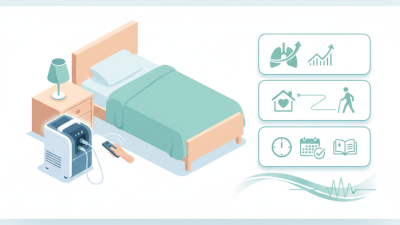
Patients who use home oxygen often report improved quality of life. They experience less shortness of breath and better sleep. This device supports physical activity too. Simple tasks become easier, avoiding fatigue during daily routines. However, some might struggle with the adjustment period. It can take time to get used to using oxygen regularly. Discussions with healthcare providers can clarify concerns about the transition.
Moreover, the psychological benefits shouldn't be overlooked. More accessible oxygen can lead to increased independence. Individuals often feel empowered, as they can engage in social activities again. Though there may be challenges initially, with time, many find significant relief. Overall, considering a home oxygen concentrator can greatly impact health and well-being.
Comparing Home Oxygen Concentrators to Other Oxygen Delivery Systems
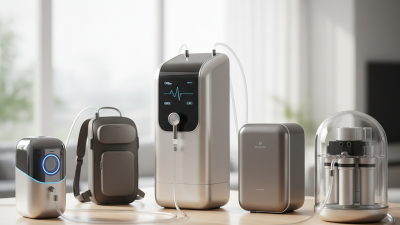
Home oxygen concentrators are becoming increasingly popular due to their convenience and efficiency. They offer distinct advantages compared to traditional oxygen delivery systems, such as compressed oxygen tanks and liquid oxygen systems. According to the Global Oxygen Concentrators Market Report, the home oxygen concentrator segment has seen a growth rate of 12% annually, reflecting the rising demand for portable and reliable oxygen solutions.
When comparing oxygen delivery methods, one must consider the operational costs. Compressed oxygen tanks require frequent refills, often leading to increased expenses. In contrast, home oxygen concentrators produce oxygen on-site, eliminating the need for refills. They can generate approximately 90-95% pure oxygen, according to a study published in the Journal of Respiratory Medicine. This means patients have a steady supply without worrying about running out.
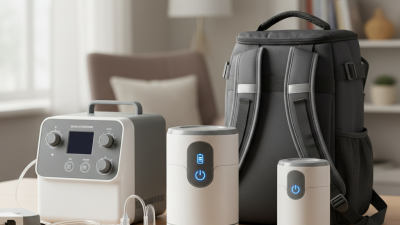
Tips: When selecting a home oxygen concentrator, look for ease of use and portability. It’s essential to check for features like battery life and noise levels. Consider your lifestyle and whether you’ll need to move the device frequently.
It’s also important to acknowledge that home oxygen concentrators may not suit everyone. Some patients prefer the immediate oxygen availability of tanks. A thorough consultation with healthcare professionals is essential to identify the best option for specific needs. Each method has trade-offs, and understanding these nuances can greatly impact quality of life.
Comparison of Home Oxygen Concentrators vs. Other Oxygen Delivery Systems
Factors to Consider When Choosing a Home Oxygen Concentrator
Choosing a home oxygen concentrator requires careful consideration. Various factors influence this decision, ensuring you select the best option for your needs.
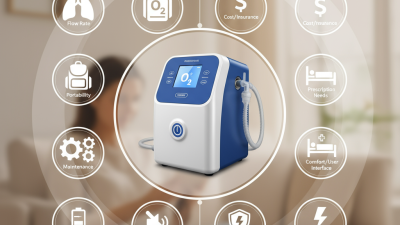
First, assess the flow rate. Most concentrators offer between 1 to 10 liters per minute. The right flow rate is crucial for effective oxygen delivery.
Consider the portability of the unit. Some oxygen concentrators weigh less than 5 pounds, making them easy to move around. Features such as battery life matter too. A unit with a longer battery can enhance mobility and independence.
According to a report by the Global Oxygen Concentrator Market, over 60% of users prefer models that offer both continuous and pulse flow options.
Evaluate the noise level of the machine. Some units operate quietly at around 40 decibels, while others can be louder. This factor can affect comfort during use.
Maintenance is another important aspect. Regular filter changes are necessary, and not all models have the same convenience. It's essential to weigh these aspects.
An informed choice fosters better health outcomes.
Maintaining and Operating Your Home Oxygen Concentrator Effectively
Maintaining and operating your home oxygen concentrator effectively is crucial for your well-being. Regular maintenance ensures that the device continues to function at optimal levels. Clean the filter at least once a week. Use a gentle soap solution and let it dry fully before reinstalling. This simple action prevents dust buildup and helps maintain air quality.
Monitor the oxygen levels daily. A reliable concentrator should deliver a consistent flow. If you notice fluctuations, check for blockages or alarms. Addressing these issues promptly can prevent larger problems later. Keep the machine in a well-ventilated area to ensure it operates efficiently. Avoid placing it against walls or in tight spaces.
It's easy to overlook small issues in daily life. A noisy machine or unexpected power loss can signal an underlying problem. Document any changes in performance. This log will help healthcare professionals better understand your needs. Staying proactive about maintenance is not just advisable; it’s essential for effective oxygen therapy.