How to Choose the Best Home Oxygen Concentrator in 2026?
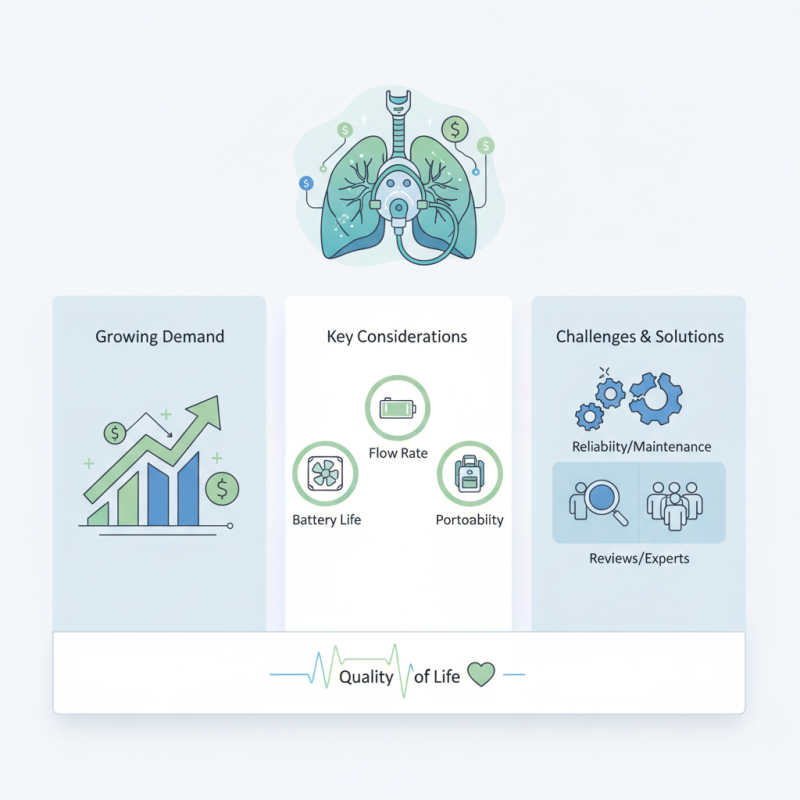
In recent years, the demand for Home Oxygen Concentrators has surged. According to a report by MarketResearch.com, the global market for these devices is expected to reach $4 billion by 2026. This growth is largely due to the increasing prevalence of respiratory diseases and an aging population. Many individuals rely on Home Oxygen Concentrators for their daily breathing needs, making the right choice critical.
Dr. Emily Hart, a leading expert in respiratory health, notes, "Choosing the right Home Oxygen Concentrator can greatly impact a patient’s quality of life." Her words underscore the importance of selecting a device that fits individual needs. With a wide variety of options available, navigating this market can be overwhelming. Users must consider factors such as flow rate, portability, and battery life.
Despite the advancements in technology, some challenges remain. Users often struggle with product reliability and maintenance. Exploring customer reviews and expert opinions becomes essential in this process. The right Home Oxygen Concentrator should not only provide adequate oxygen levels but also enhance the user's overall well-being. Understanding these complexities is vital for making an informed decision in 2026.
Understanding Home Oxygen Concentrators: A Comprehensive Overview
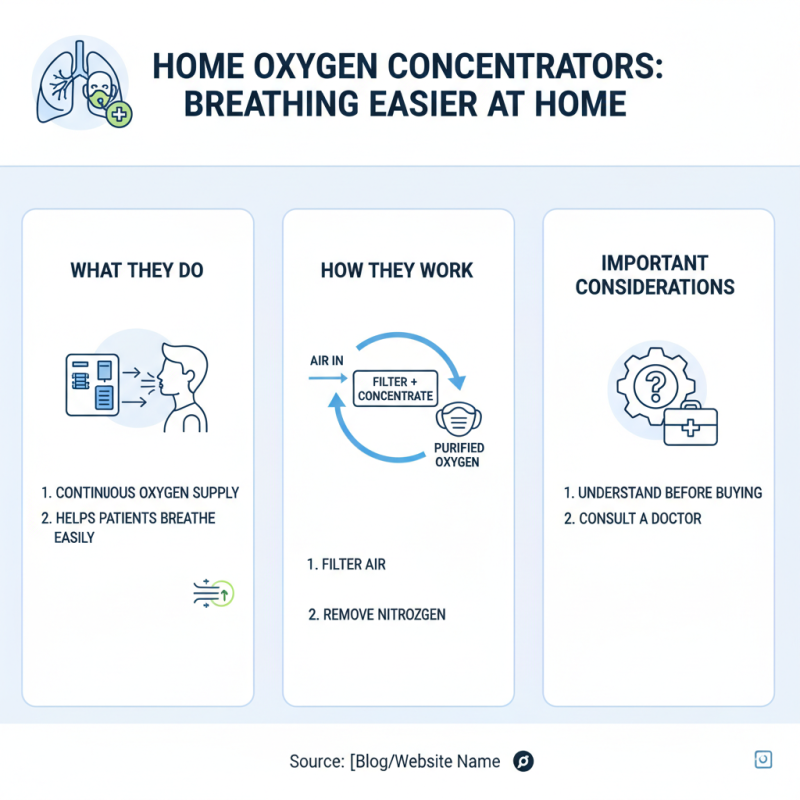
Home oxygen concentrators are vital for many individuals with respiratory issues. They provide a continuous supply of oxygen, helping patients breathe more easily at home. These devices filter and concentrate oxygen from the surrounding air. However, they require proper understanding before purchasing.
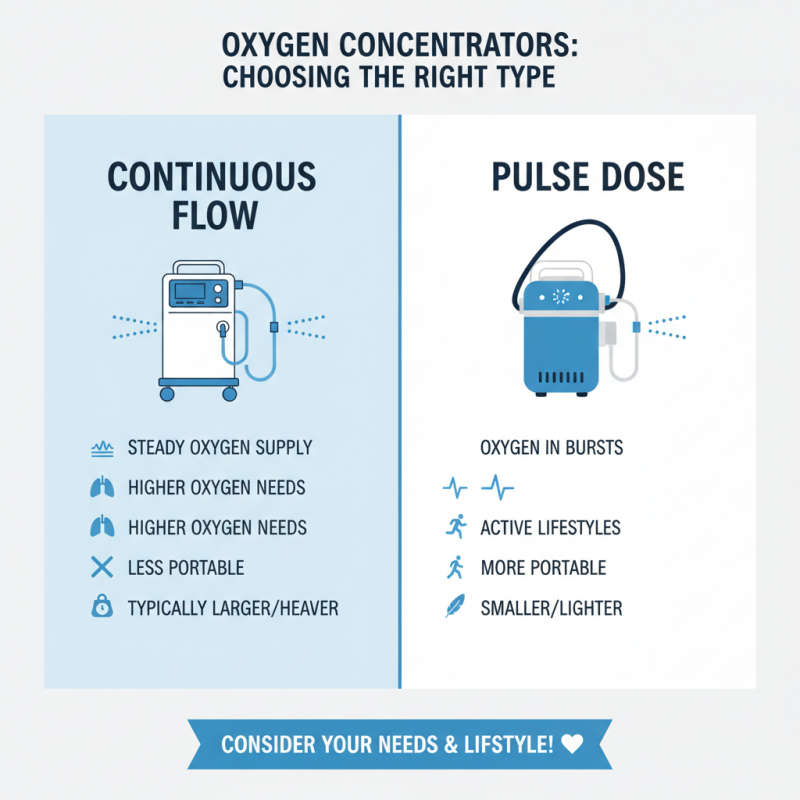
Choosing a home oxygen concentrator involves considering several factors. First, evaluate the flow rate. Most units offer different settings, typically ranging from one to five liters per minute. Some patients may need higher settings during physical activity. Next, think about the size and portability. Some models are lightweight and easily transportable, while others may be bulky.
Maintenance is another aspect that cannot be overlooked. Users need to check filters and tubes regularly. It’s vital to stay aware of any changes in performance. If a unit becomes noisy or stops functioning properly, users often ignore signs until it’s too late. Patients should remain proactive in monitoring their devices for optimal performance. Recognizing when adjustments are needed is crucial for effective oxygen therapy.
Key Features to Consider When Selecting an Oxygen Concentrator
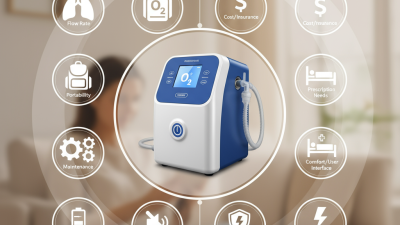
Selecting the right home oxygen concentrator is crucial for your health. Start by checking the oxygen flow rate. Most models offer a range from 1 to 10 liters per minute. Depending on your needs, ensure it can deliver the correct amount of oxygen. Adjustability can be helpful for different activity levels.
Noise level is also significant. Some concentrators operate quietly, while others can be quite loud. A quieter model might be crucial for nighttime use. Consider portability as well. Compact designs are easier to move. Look for models with wheels or a carrying handle that fits your lifestyle.
Battery life cannot be overlooked. Some units last for hours, while others may only function for a short time. If you plan to travel, this feature is essential. Finally, evaluate maintenance requirements. Filters need changing regularly. A model with easy access to components can simplify this process. Each feature impacts your daily use. Being aware of these factors helps make a thoughtful choice.
How to Choose the Best Home Oxygen Concentrator in 2026? - Key Features to Consider When Selecting an Oxygen Concentrator
| Feature |
Description |
Importance |
Considerations |
| Oxygen Flow Rate |
Measured in liters per minute (LPM), indicates how much oxygen the concentrator can deliver. |
High |
Choose based on your oxygen needs prescribed by a doctor. |
| Portability |
Weight and ease of transportation of the device. |
Medium |
Consider whether you need to move it frequently. |
| Noise Level |
Measured in decibels (dB), indicates how loud the unit is during operation. |
Medium |
Higher sound levels may affect quality of life. |
| Power Consumption |
Amount of electricity used to operate the concentrator. |
Medium |
Check for energy-efficient models to reduce costs. |
| Warranty Period |
Duration of the manufacturer's warranty on the device. |
High |
Longer warranty often reflects higher quality. |
| Additional Features |
Includes oxygen sensors, alarms, or battery options. |
Variable |
Assess based on personal needs and preferences. |
Assessing Your Medical Needs and Prescription Requirements
When choosing a home oxygen concentrator, assessing your medical needs and prescription requirements is crucial. Each patient has unique health conditions. The oxygen flow rate required varies from person to person. According to the American Thoracic Society, approximately 1.5 million Americans use supplemental oxygen. This statistic underscores the importance of tailored medical advice.
Consulting with healthcare professionals is essential. They can provide valuable insights into how much oxygen you need. Oxygen level tests, such as pulse oximetry, help determine your baseline. Emergency preparedness is important, too. Have a backup plan in case of equipment failure.
Many patients face challenges during assessment. Some may not fully understand their prescription. It's common to have queries about the types of oxygen equipment suitable for their situation. Miscommunication can lead to inappropriate choices. Thus, asking questions is vital. Be proactive. Your health depends on it.
Comparing Costs and Maintenance of Various Oxygen Concentrators
When choosing home oxygen concentrators, cost and maintenance are key factors.
The initial purchase price of these machines varies significantly. Some models may cost less but require frequent repairs or replacements. Others may be pricier upfront but offer better durability and lower long-term costs.
Tip:
Always calculate the cost over time. Consider factors like electricity usage and filter replacements. A cheaper model may not save you money in the long run due to hidden costs.
Maintenance plays a big role in your choice. Regular cleaning and filter changes are essential for optimal performance. Some devices have more accessible parts, making them easier to maintain. Others can be complicated, leading to frustration.
Tip:
Look for user-friendly designs. Ensure you understand the maintenance needs before making a decision. It’s important to reflect on your own capability to manage these tasks. A complicated machine can disrupt your life, causing stress.