How to Choose the Best Oxygen Concentrator for Your Needs?
Choosing the right oxygen concentrator can transform your quality of life. These devices are vital for individuals with respiratory issues. With so many options available, making a choice can feel overwhelming.
We must consider several factors. First, think about your oxygen needs. Some people require a higher flow rate than others. Weight and portability also matter. A lighter model might be ideal for active users. Battery life is crucial for those on the go. Finally, budget constraints will play a significant role in your decision.
Ultimately, selecting an oxygen concentrator requires careful thought. Do not rush into a purchase. Reflect on your specific needs and lifestyle. Finding the right balance will ensure that the device serves you well. Your health and comfort hinge on this decision, so choose wisely.
Understanding Oxygen Concentrators: Types and Technologies
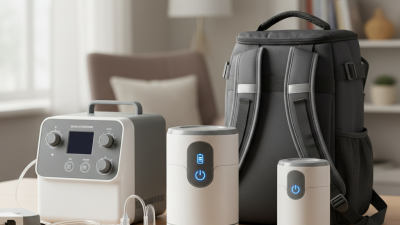
Oxygen concentrators are essential for those with respiratory issues. Understanding the types and technologies available is crucial for making an informed choice. These devices work by extracting oxygen from the air, delivering it directly to the user. There are two main types: portable and stationary. Each serves different needs and lifestyles.
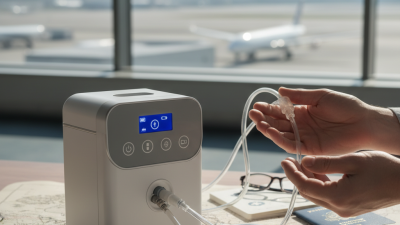
Portable oxygen concentrators are compact and convenient for travel. They often utilize pulse dose technology, which delivers oxygen only when the user inhales. This feature conserves oxygen and battery life. Stationary models, on the other hand, provide a continuous flow. They tend to be larger and are typically used at home. While they are generally more powerful, they lack portability.
When exploring these options, consider your oxygen requirements. Some individuals may need higher flow rates, while others may not. It’s common to feel overwhelmed by technical specifications. Consulting healthcare professionals can provide invaluable insights. Also, researching different models and reading user experiences can highlight potential pitfalls. Not every device will meet your expectations, so reflect on your unique situation before making a choice.
Key Features to Consider When Selecting an Oxygen Concentrator
Choosing the right oxygen concentrator demands consideration of various key features. One crucial aspect to evaluate is the flow rate, measured in liters per minute (LPM). This determines how much oxygen the machine can deliver. If you need higher continuous use, ensure the device meets those specifications.
Portability is another important feature. For active users, lightweight models offer easy transport. However, the trade-off might be in tank size or battery longevity. Think about where you'll use it most. Will you be traveling frequently or primarily at home? Opt for models that fit your lifestyle.
Tips: Check the noise level too. Some machines can be distractingly loud. Look for user-friendly controls. Digital displays often provide clearer information, especially during emergencies. Lastly, scrutinize warranty offers. A strong warranty indicates manufacturer confidence, offering you peace of mind.
Comparison of Key Features in Popular Oxygen Concentrators
Assessing Your Oxygen Needs: Flow Rate and Concentration Levels
Choosing the right oxygen concentrator hinges on understanding your specific oxygen needs. Flow rate and concentration levels are critical factors in this decision. Studies show that individuals with chronic respiratory conditions often require a flow rate between one to five liters per minute. However, some may need a higher rate, depending on their medical conditions and activity levels.
Concentration levels vary significantly among devices. For instance, most home units deliver 90 to 95% oxygen concentration at prescribed flow rates. Those with more severe conditions might require higher concentrations. A recent report from the Respiratory Health Association emphasizes the importance of accurate assessments. It warns that insufficient oxygen can lead to serious health consequences.
Many people overlook the necessity of periodic consultations with healthcare providers. Without expert guidance, users may miscalculate their needs. Taking time to evaluate symptoms can be invaluable. It helps individuals make informed decisions. Experts recommend a personalized approach, ensuring devices meet individual requirements effectively. This leads to better overall health management.
Reviewing Portable vs. Stationary Oxygen Concentrators for Lifestyle
When selecting an oxygen concentrator, the choice between portable and stationary models greatly affects your daily life. Portable units are lightweight and often range from 0.5 to 5 liters per minute (LPM) of oxygen output. This flexibility allows users to maintain an active lifestyle. According to a 2022 report by the Global Health and Technology Journal, around 75% of users find portable units vital for social engagement. They enable activities beyond the home and encourage mobility.
Stationary oxygen concentrators, however, are powerful and typically provide higher levels of oxygen, often exceeding 10 LPM. They are ideal for those who spend significant time at home and require consistent oxygen supply. The American Respiratory Care Society indicates that about 80% of individuals using stationary concentrators report improved overall health when they have steady access to higher flow rates at home.
There are trade-offs to consider. Portable models may have limitations in oxygen concentration. Users might find themselves in situations where the unit cannot deliver enough oxygen during physical activity. Stationary units, while effective, can be cumbersome and limit mobility. Evaluating your lifestyle and healthcare needs is essential. Examine your daily habits, and reflect on what balance will best support your well-being.
Cost Factors: Comparing Prices and Insurance Coverage Options
When considering an oxygen concentrator, understanding the cost factors is crucial. Prices vary widely based on features and portability. According to recent industry reports, the average cost of home oxygen concentrators ranges from $600 to $2,500. The variability reflects differences in technology and capacity. For example, portable models typically cost more due to their convenience and advanced design.
Insurance coverage can significantly affect out-of-pocket expenses. Many plans cover oxygen therapy, but specifics can differ. A National Coverage Determination report indicates that about 62% of Medicare beneficiaries receive some level of reimbursement for oxygen concentrators. However, co-pays and deductibles can add complexity. Patients need to confirm their coverage details with providers to avoid unexpected costs.
Beyond prices and insurance, the decision should reflect individual needs. Users often overlook maintenance costs and accessibility features, which can add substantial expenses over time. Evaluating these factors ensures a more sustainable choice. Balancing upfront costs with long-term expenses is essential for informed decision-making.
How to Choose the Best Oxygen Concentrator for Your Needs?
| Feature |
Budget-friendly Option |
Mid-range Option |
High-end Option |
| Average Cost |
$500 - $800 |
$800 - $1500 |
$1500 - $3000 |
| Weight |
10 lbs (Portable) |
20 lbs (Home Unit) |
30 lbs (Advanced Features) |
| Oxygen Output |
1-5 LPM |
1-10 LPM |
1-15 LPM |
| Noise Level |
< 40 dB |
< 45 dB |
< 50 dB |
| Warranty |
1 Year |
2 Years |
3 Years |
| Insurance Coverage |
Partial Coverage |
Full Coverage |
Full Coverage + Extras |