Choosing the right Portable Oxygen Generator can significantly impact health and mobility for many individuals. According to the American Lung Association, around 14 million Americans suffer from chronic respiratory diseases. This statistic emphasizes a growing need for portable solutions.
Portable Oxygen Generators are designed to provide supplemental oxygen. Their popularity is rising as more people seek independence while managing respiratory conditions. Reports show that the global portable oxygen concentrator market will reach $2.5 billion by 2025. This indicates increasing reliance on these devices.
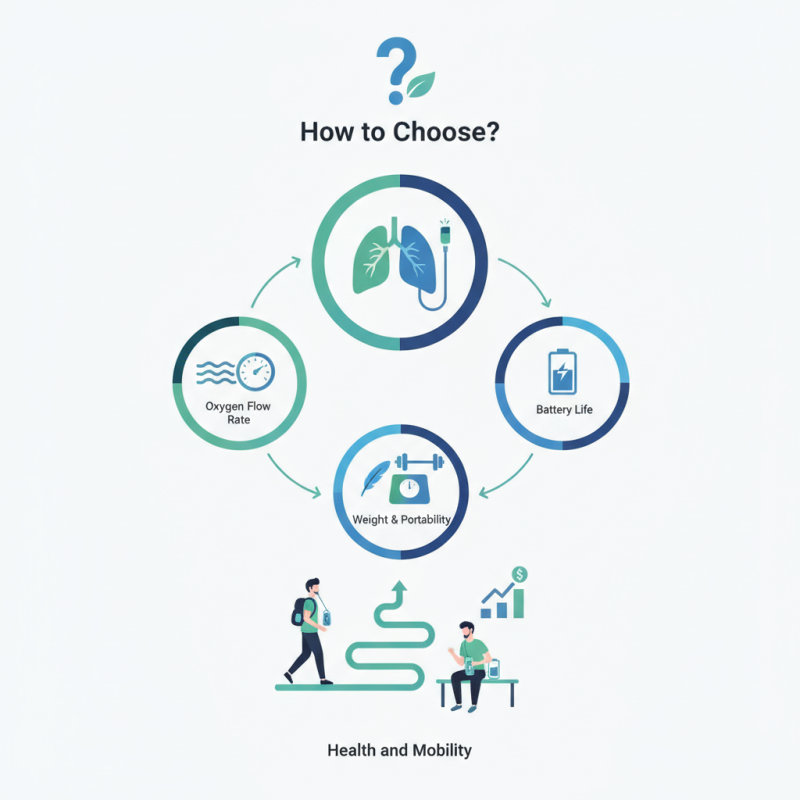
However, the variety of Portable Oxygen Generators available can be overwhelming. Not every generator suits every need. Factors such as oxygen flow rate, weight, and battery life should be carefully considered. Some users find that their chosen model does not meet their expectations. This serves as a reminder to reflect on personal requirements before purchasing.
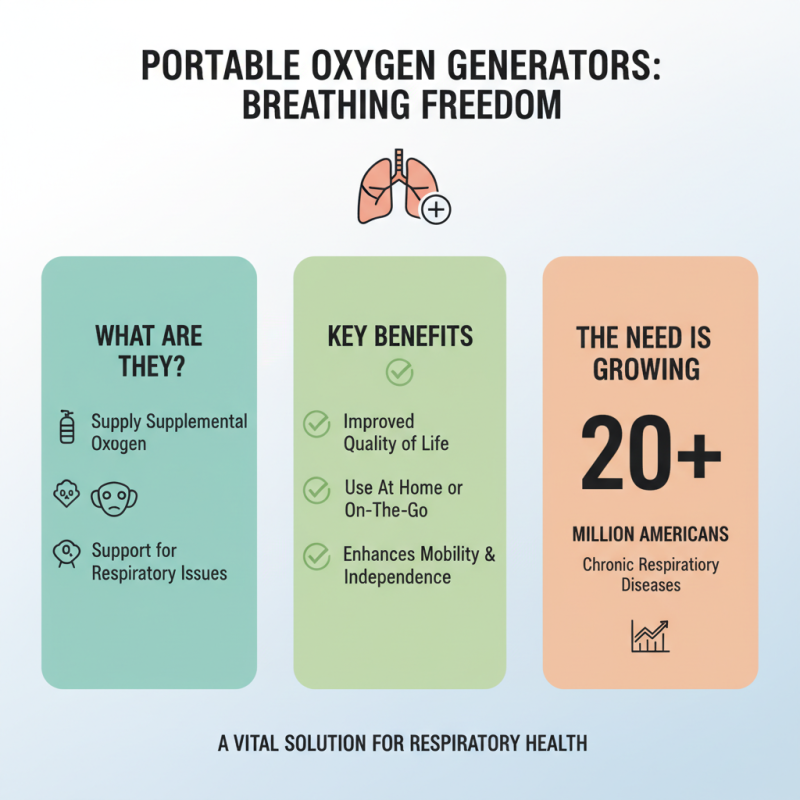
Portable oxygen generators are vital for people with respiratory issues. These devices provide supplemental oxygen, improving the quality of life. They can be used at home or on the go. According to industry reports, over 20 million Americans struggle with chronic respiratory diseases. This highlights the increasing need for portable oxygen solutions.
Understanding how these generators work is crucial. They typically filter and concentrate oxygen in the air. Most models deliver around 90-95% oxygen purity. However, it's essential to note that individual needs may vary. Not every generator suits everyone. For active users, weight and battery life are key factors. A lightweight model is easier to carry during travels. Battery life should last a few hours, depending on oxygen flow rates.
Accessibility remains a concern. Some users report difficulty finding suitable models. Uncertainties around prescription requirements can complicate decisions. Not all oxygen generators meet medical-grade standards. It becomes vital to research options thoroughly before making a choice. Informed decisions can lead to better health outcomes, but many overlook this important step.
Choosing the right portable oxygen generator involves several key features. Understanding your personal needs is crucial. Focus on oxygen output levels; most devices typically deliver between 1 to 5 liters per minute. Some reports indicate that users prefer models with adjustable flow rates for tailored support.
Battery life is another vital consideration. Many generators can last anywhere from 2 to 10 hours on a single charge. Users often find it disappointing when devices fall short of their stated battery life. A compact size enhances portability but may affect oxygen concentration. Models that weigh around 5 pounds are manageable for travel.
Lastly, noise level can significantly impact usability. Recommended devices operate quietly, ideally below 40 decibels. Higher noise levels can be disruptive, especially in social settings. Checking user reviews can provide insights into real-world performance. This is often where potential buyers realize discrepancies between expectations and reality.
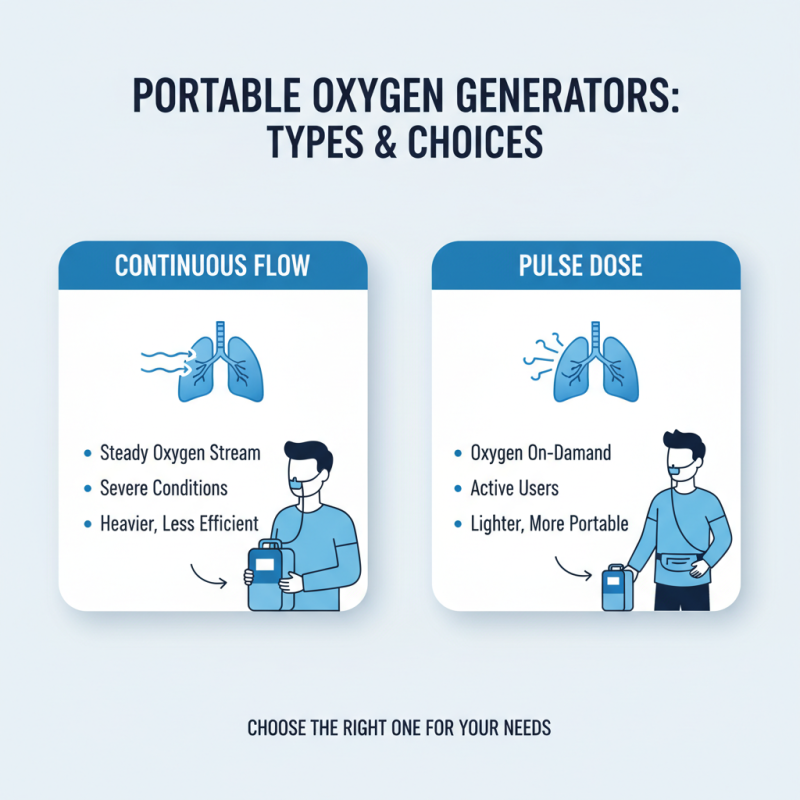
When choosing a portable oxygen generator, understanding the types available is crucial. There are popular options like continuous flow and pulse dose generators. Continuous flow devices deliver a steady stream of oxygen. They are often preferred for those with severe conditions. However, they can be heavy and less efficient for certain users.
On the other hand, pulse dose generators release oxygen in bursts. They are typically lighter and portable. This makes them suitable for active users. Yet, some may find the bursts insufficient for their needs. It’s essential to consider personal activity levels and oxygen requirements. Each type has its pros and cons, and the right choice varies greatly among individuals.
Assessing your requirements is key. Consider your lifestyle, mobility needs, and oxygen flow demands. While one type may seem ideal, it might not fit all situations. It's also helpful to read reviews and consult with healthcare professionals. Balancing convenience with functionality can sometimes lead to uncertainty. However, careful evaluation can guide you to the best option.
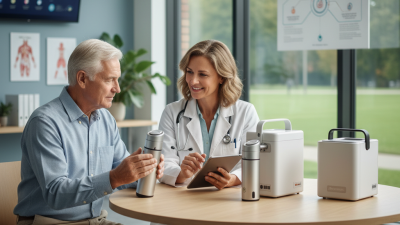
When assessing your personal oxygen needs, start by understanding your medical condition. According to the Global Initiative for Chronic Obstructive Lung Disease (GOLD), around 251 million individuals worldwide suffer from COPD. If you have respiratory issues, you may require supplemental oxygen. Consulting a healthcare professional is vital. They can provide a prescription tailored to your specific situation.
Consider your usage scenarios. Will you primarily use the generator at home or on the go? Research shows that portable oxygen generators can deliver flows from 1 to 6 liters per minute. A portable unit might be more appropriate for short trips. Yet, for overnight use at home, a stationary model could be more efficient. Also, think about the battery life of portable devices. Some models can last only a few hours—just enough for a short outing.
It's essential to reflect on your lifestyle. If you travel frequently, weight and size matter. An ideal unit should be lightweight and easy to carry. However, smaller devices may have reduced oxygen output. This trade-off can lead to frustration when you need more oxygen. Balancing convenience with your health requirements can be tricky. Explore multiple options before making a decision.
When budgeting for a portable oxygen generator, understanding costs is crucial. Portable oxygen generators can range from $300 to $3,000, depending on features. Many people overlook maintenance expenses. Routine checks could add $100 or more annually. Filters and batteries need replacement. These costs accumulate over time.
Tips for budgeting: Allocate funds for both initial purchase and maintenance. It is wise to set aside an additional 10-15% for unexpected repairs or replacements. Review user manuals for specific maintenance costs. This knowledge can prevent surprises.
Maintenance can be challenging. Some users forget regular filter changes. Clogged filters can impede efficiency. Failing to care for your generator may lead to increased costs and reduced lifespan. Awareness and proactive maintenance can save money.