How to Choose the Right Apap Machine for Your Sleep Apnea Treatment
When it comes to managing sleep apnea, selecting the appropriate device is crucial for effective treatment. Among the various options available, the Automatic Positive Airway Pressure (APAP) machine stands out due to its adaptability and efficiency in providing continuous airway pressure tailored to the user’s needs. According to a report from the American Academy of Sleep Medicine, nearly 30 million adults in the United States suffer from obstructive sleep apnea, highlighting the growing need for effective treatment solutions.
Dr. Emily Carter, a renowned sleep specialist at the Sleep Disorders Clinic, notes, “Choosing the right APAP machine can significantly enhance the patient experience and improve compliance, ultimately leading to better health outcomes.” With a multitude of factors to consider—including pressure settings, comfort features, and noise levels—patients are often overwhelmed by the choices available. Understanding the nuances of different models and their specifications is essential for making an informed decision that aligns with individual needs and lifestyle. Selecting the right APAP machine not only promotes better sleep but also helps in mitigating the serious health risks associated with untreated sleep apnea.
Understanding Sleep Apnea and Its Treatment Options
Sleep apnea is a serious sleep disorder characterized by repeated interruptions in breathing during sleep. According to the American Academy of Sleep Medicine, approximately 25% of men and 10% of women in the U.S. suffer from this condition, which often goes undiagnosed. It is crucial to understand that untreated sleep apnea can lead to significant health issues, including cardiovascular problems, diabetes, and cognitive impairments.
When it comes to treatment options, Continuous Positive Airway Pressure (CPAP) therapy, including its automated variant known as APAP, is often recommended. A report from the Centers for Disease Control and Prevention (CDC) indicates that CPAP use improves sleep quality and reduces daytime sleepiness by an impressive 50%. Choosing the right APAP machine can significantly impact your treatment effectiveness and overall quality of life.
Tips: When selecting an APAP machine, consider factors such as your pressure settings, noise level, and additional features like a humidifier. Consulting a sleep specialist can help tailor the choice to your specific needs, ensuring optimal management of sleep apnea symptoms. Additionally, look for machines with built-in data tracking; this can facilitate more informed discussions with your healthcare provider about your treatment progress.
What is an APAP Machine and How Does It Work?
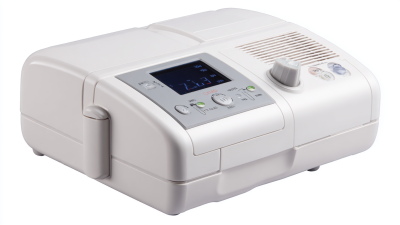
An Automatic Positive Airway Pressure (APAP) machine is a vital device used in the treatment of sleep apnea, a condition characterized by interruptions in breathing during sleep. Unlike traditional CPAP (Continuous Positive Airway Pressure) machines, which deliver a constant air pressure, APAP machines automatically adjust the pressure in response to the user’s breathing patterns. This means that the machine can provide the optimal level of airflow needed at any given moment, effectively maintaining an open airway and allowing for uninterrupted sleep.
APAP machines utilize advanced technology to monitor the user's breathing throughout the night. They are equipped with sensors that detect changes in airflow and breathing resistance, making real-time adjustments to pressure settings. This adaptability not only enhances the comfort of the user but also increases the machine's effectiveness in reducing apnea events. Additionally, many APAP machines come with features such as data tracking and connectivity options, allowing patients and healthcare providers to monitor progress and make informed decisions regarding therapy adjustments.
Key Features to Consider When Choosing an APAP Machine
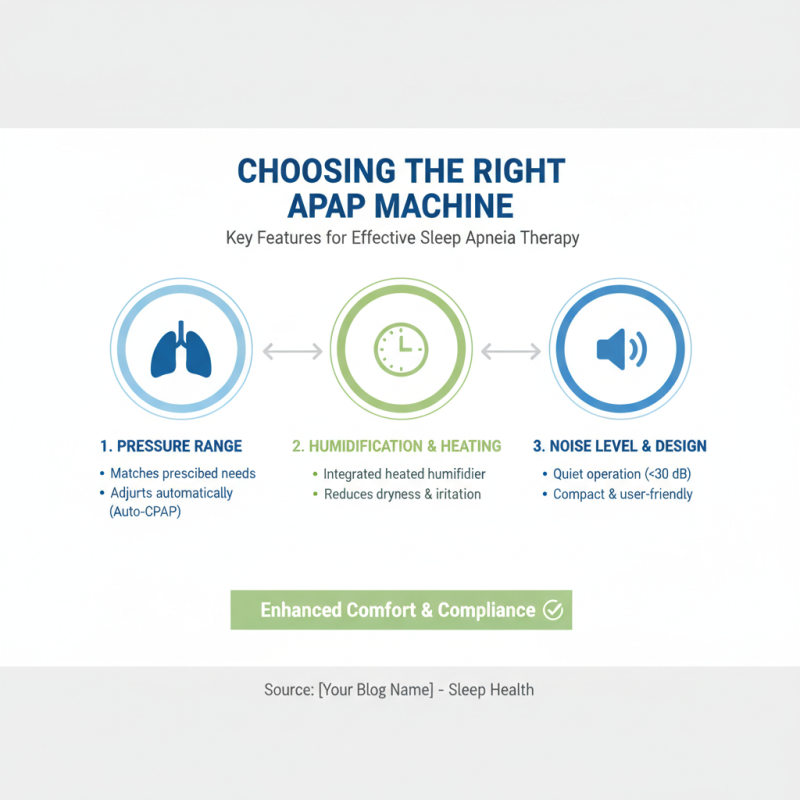
When selecting the right APAP (Automatic Positive Airway Pressure) machine for sleep apnea treatment, it is crucial to consider several key features that can significantly impact your therapy effectiveness. First and foremost, the machine's pressure range should be compatible with your specific needs, as it determines how much air is delivered to keep your airways open. Ensure that the device can adjust the pressure automatically, responding to your breathing patterns throughout the night, which enhances comfort and minimizes disturbances.
Another important factor is the device's noise level. A quieter machine contributes to a more restful sleep environment for both the user and their partner. Additionally, look for user-friendly features such as a clear display, easy navigation, and connectivity options like Bluetooth or Wi-Fi, which allow for seamless data tracking and analysis. Integrated humidifiers can also improve comfort, reducing dryness in the airway, which is a common concern among users. Prioritizing these features can help you make an informed choice that aligns with your lifestyle and treatment goals.
Evaluating the Right Pressure Settings for Your Needs
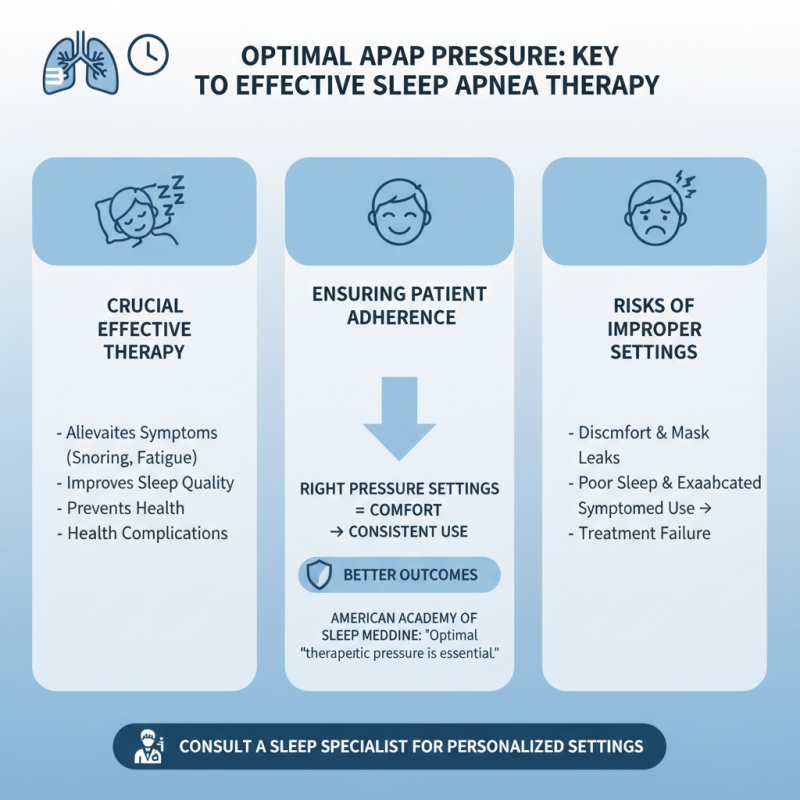
When selecting an APAP (Automatic Positive Airway Pressure) machine for the treatment of sleep apnea, evaluating the right pressure settings is crucial for effective therapy. According to the American Academy of Sleep Medicine, the optimal therapeutic pressure is essential not only for alleviating symptoms but also for ensuring patient adherence to treatment. An improperly set APAP machine may lead to discomfort, which can discourage consistent use and exacerbate sleep apnea symptoms.
Research shows that about 50% of patients report discomfort due to suboptimal pressure settings, emphasizing the importance of a personalized approach. The pressure should be titrated based on individual needs, often guided by a sleep study. Data from the Journal of Clinical Sleep Medicine underscores that proper titration can improve apnea-hypopnea index scores significantly, leading to better overall health outcomes. Additionally, with modern APAP machines equipped with auto-titration capabilities, settings can adjust automatically during sleep, enhancing comfort and therapeutic efficacy. Whether starting at a low baseline or gradually increasing pressure, a personalized assessment ensures optimal treatment and improved sleep quality.
How to Maintain and Care for Your APAP Machine
Maintaining and caring for your APAP machine is essential for ensuring its optimal performance and longevity. Regular cleaning of the components, including the mask, tubing, and water chamber, helps prevent the buildup of bacteria and mold, which can compromise your treatment effectiveness. It is advisable to wash the mask and tubing with warm, soapy water weekly, ensuring that all parts are thoroughly rinsed and air-dried before reassembling. The water chamber should be emptied daily and cleaned with vinegar or a mild detergent weekly to keep it free from mineral deposits.
In addition to regular cleaning, it's crucial to monitor the device's filters. Most APAP machines have disposable or reusable filters that trap dust and allergens, and these should be checked regularly and replaced as necessary. A clogged filter can lead to increased noise levels and reduced airflow, affecting your therapy quality. Furthermore, ensure that you perform routine checks on the machine itself for any signs of wear or damage. By dedicating time to these maintenance tasks, you can enhance your sleep apnea treatment experience and extend the lifespan of your APAP machine.
How to Choose the Right APAP Machine for Your Sleep Apnea Treatment - How to Maintain and Care for Your APAP Machine
| Feature |
Description |
Maintenance Tips |
| Pressure Range |
Adjustable settings to accommodate different levels of sleep apnea severity. |
Regularly check and adjust settings as prescribed by your doctor. |
| Humidification |
Built-in or optional heated humidifiers to reduce dryness. |
Clean the humidifier chamber weekly to prevent mold buildup. |
| Noise Level |
Decibel rating indicating how quiet the machine operates. |
Position the machine on a stable surface to minimize vibrations. |
| Size and Portability |
Compact models available for travel or home use. |
Use a carrying case for travel and secure the machine during transport. |
| Data Tracking |
Allows for sleep data tracking to monitor progress. |
Regularly review sleep data with your healthcare provider to adjust treatment. |
| Mask Compatibility |
Ensures a proper fit with different mask types for comfort. |
Try different masks to find the best fit and comfort level. |