How to Choose the Right Oxygen Machine for Your Needs?
Selecting the right oxygen machine can feel overwhelming. Industry expert Dr. Sarah Thompson emphasizes, "Choosing an oxygen machine is critical for your well-being." Knowing your specific needs makes a significant difference. Each machine has unique features, affecting comfort and functionality.
Finding the right oxygen machine depends on various factors. Consider your lifestyle, mobility needs, and the severity of your condition. For instance, portable machines offer convenience for active users. However, they might lack the capacity of larger units.
Reflect on the different options available. Each model serves a unique purpose. You might think you need a small device for travel, but it may not provide adequate support at home. Weighing these options carefully can empower you in your decision.
Understanding Different Types of Oxygen Machines Available in the Market
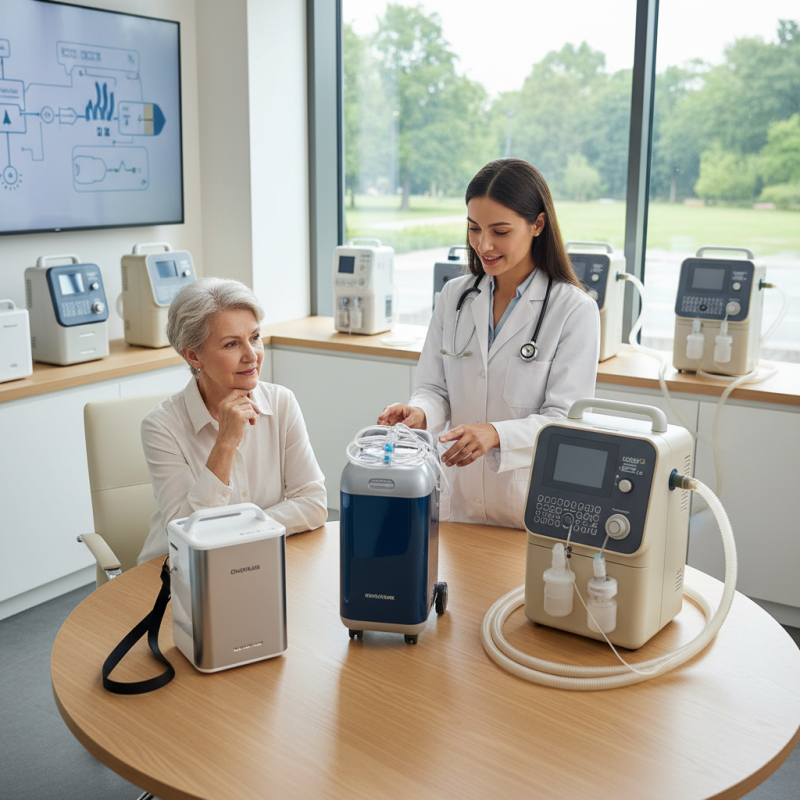
Choosing the right oxygen machine depends on your specific needs. There are several types of oxygen machines available in the market today. Each serves a different purpose, which can impact your health directly.
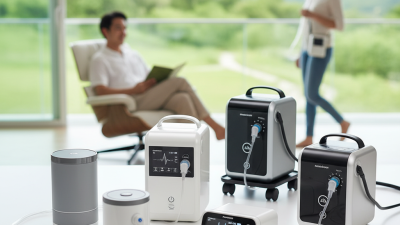
Portable oxygen concentrators (POCs) are smaller and designed for active lifestyles. According to a report by the American Association for Respiratory Care, POCs can be a game-changer, with about 62% of users noting improved quality of life. However, they may not deliver the same flow rates as stationary models.
Stationary oxygen concentrators typically provide continuous flow, making them ideal for home use. They are often heavier and require a power source.
Consider your lifestyle before deciding. A survey indicated that 73% of patients prefer portable options for better mobility. Yet, many overlook that weight and battery life can be issues. Not every user finds POCs easy to manage, especially when battery life runs low.
Think critically about your daily activities and your oxygen needs. It’s key to choose an oxygen machine that fits your life rather than forcing your life around the machine.
Assessing Your Oxygen Needs Based on Medical and Lifestyle Factors
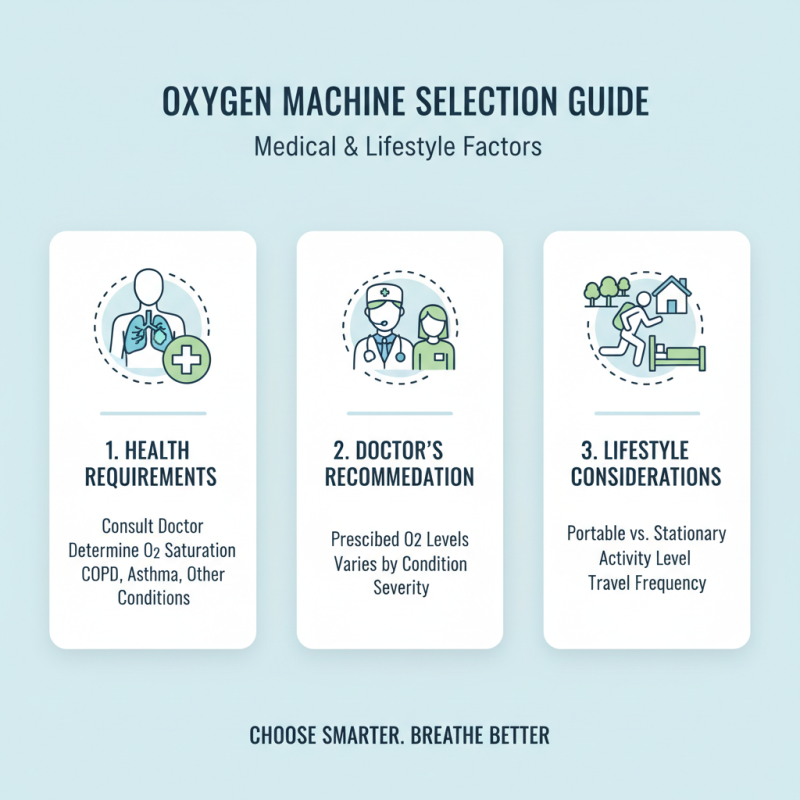
When selecting an oxygen machine, assessing your medical and lifestyle factors is crucial. Start by understanding your specific health requirements. Consult with your healthcare provider to determine your oxygen saturation levels. Your doctor may recommend different levels of oxygen depending on your condition. This could be COPD, asthma, or other respiratory issues.
Next, consider your daily activities. Will you be using the machine at home or on the go? If you lead an active lifestyle, a portable device may be ideal. Ensure you know the weight and battery life. These details matter greatly. It’s also important to reflect on your comfort. Some machines make noise or are bulky. Test different models to see how they fit into your routine.
Finally, think about how often you need oxygen. Is it a constant requirement or occasional? This will guide your choice. You might find yourself overwhelmed by the options. It’s okay to take your time. Understanding both your medical needs and lifestyle preferences is essential to making the right decision. Don't rush this process.
Key Features to Consider When Choosing an Oxygen Machine
Choosing the right oxygen machine involves considering several key features. First, you should determine the oxygen flow rate required for your condition. This rate varies among individuals. A typical range is 1 to 10 liters per minute. If you aren’t sure, consulting a healthcare professional is essential. It might feel overwhelming, but understanding your needs is crucial.
Portability is another important aspect. If you travel frequently, a lightweight and compact device is beneficial. Some machines are designed for home use only, while others can function well on the go. The battery life of portable models can vary significantly. It's worthwhile to read user reviews. Don't overlook maintenance requirements, either. Some machines need frequent filter changes, which can be inconvenient.
Noise level might not seem significant but can impact your comfort. Some devices hum softly, while others can be loud. Consider your living situation, especially if you share space. Lastly, ensure you can easily access customer support if needed. Reflect on your priorities: is it price, functionality, or ease of use? A well-thought-out choice can enhance your quality of life.
Comparing Portable vs. Stationary Oxygen Machines
When choosing between portable and stationary oxygen machines, consider your lifestyle. Portable machines are designed for mobility. They are lighter and can easily be taken on trips. Many people value this flexibility. Imagine going for a walk or traveling to visit family with ease. However, they may have limited oxygen flow and battery life.
Stationary machines, on the other hand, are perfect for home use. They offer a continuous oxygen supply and can provide higher flows. This makes them ideal for individuals needing higher oxygen levels. However, they are bulkier and not made for travel. You might feel restricted by their size.
Ultimately, both options have pros and cons. Personal needs vary significantly. Some may find portable machines hard to manage. Meanwhile, others might feel stationary units limit their freedom. Think deeply about your daily activities before making a choice. Will you prioritize mobility or consistent oxygen delivery at home?
Comparison of Portable vs. Stationary Oxygen Machines
Evaluating Price and Maintenance Costs of Oxygen Machines
When selecting an oxygen machine, evaluating price and maintenance costs is key. Machines vary widely in price, often reflecting their features. Expect to pay a few hundred to several thousand dollars. This price generally includes the machine, but don’t overlook additional costs.
Maintenance is another crucial factor. Regular filter changes are essential for optimal performance. Sometimes, these filters can be quite pricey. Users need to budget for these recurring expenses. A machine that appears affordable may require higher ongoing costs.
Tips: Research different models thoroughly. Some might seem cheap but have costly components. Buy supplies in bulk to save. Check online reviews for real-world experiences. Always think about the long-term expenses, not just the initial price.