How to Choose the Right Patient Monitor for Your Healthcare Facility?
Selecting the appropriate Patient Monitor for a healthcare facility is a critical decision that impacts patient care. According to a 2022 report from the Global Market Insights, the Patient Monitor market is projected to exceed $6 billion by 2027. As healthcare demands evolve, choosing the right technology requires precision and insight. Dr. Emily Carter, a leading expert in medical technology, states, "The effectiveness of monitoring systems directly correlates with patient outcomes."
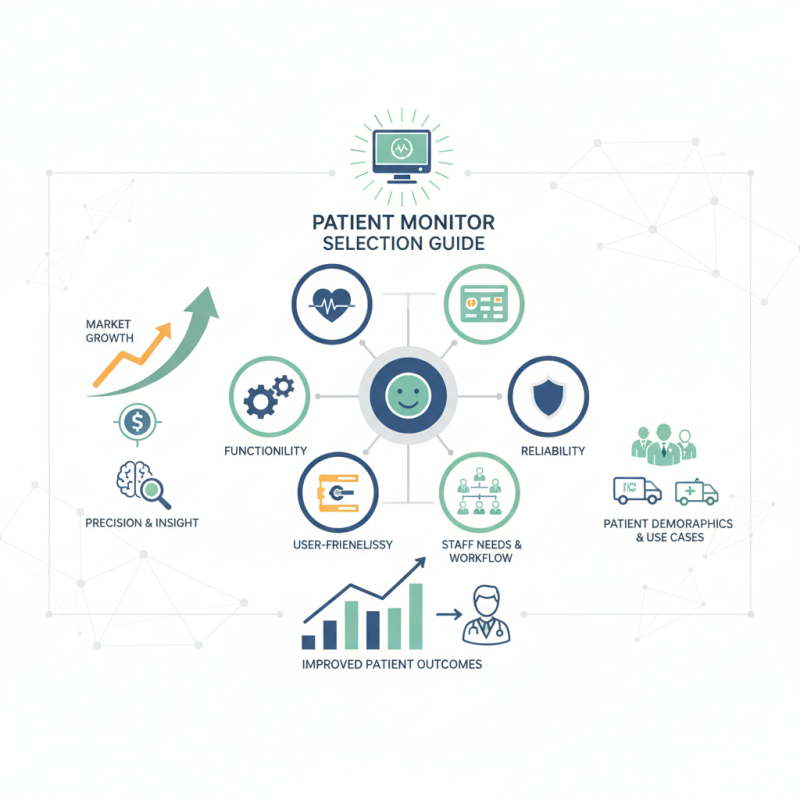
In today’s fast-paced medical environments, reliability is paramount. Hospitals must consider factors such as functionality, compatibility, and user-friendliness. While advanced features attract attention, they may also complicate usage. A well-designed Patient Monitor should enhance, not hinder, clinical workflows. An excessive focus on the latest technology can lead to oversight in selecting devices that genuinely meet patient needs.
Determining what a facility requires is often a challenge. Staff needs, patient demographics, and specific use cases must all factor into the decision. A profound understanding of different Patient Monitor types can guide healthcare professionals effectively. With numerous models available, this choice can be daunting, yet necessary for ensuring optimal patient safety and care quality.
Understanding the Types of Patient Monitors Available in Healthcare
When selecting a patient monitor for a healthcare facility, it's crucial to understand the various types available. Each type serves distinct purposes and supports specific needs. For instance, vital signs monitors track essential parameters, such as heart rate, blood pressure, and oxygen saturation. They are foundational in both emergency rooms and outpatient settings.
Advanced monitors offer features like multi-lead ECG. This allows for a comprehensive view of cardiac function. These systems can integrate with electronic health records, enhancing data accessibility and decision-making. However, integrating technology can be challenging. Staff training is critical to ensure efficient use and minimize errors.
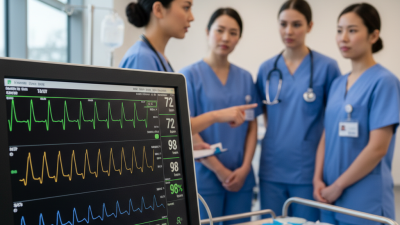
In critical care environments, bedside monitors provide real-time data tracking. Yet, these systems can become overwhelming with alerts, leading to alarm fatigue among staff. Balancing alarm settings and patient safety demands careful consideration. Assessing the facility's size and patient volume helps determine the right fit. Each choice reflects the facility's capability to respond effectively to patient needs while managing resources wisely.
Types of Patient Monitors in Healthcare Facilities
Key Features to Consider When Selecting a Patient Monitor
Selecting the right patient monitor is crucial for any healthcare facility. Key features must align with clinical needs and patient safety protocols. According to a recent report from MarketsandMarkets, the global patient monitoring market is expected to reach $36 billion by 2025. This growth underscores the importance of choosing systems that offer reliable, real-time data for patient care.
When evaluating monitors, consider screen size and readability. A larger screen allows for better visibility of multiple parameters. Studies show that 78% of healthcare professionals report clearer data presentation enhances decision-making. Battery life is another critical feature. Monitors should last long enough during emergencies without frequent recharging. Inadequate battery backup can lead to serious risks and complications.
Data integration capabilities also matter. Systems should seamlessly connect with electronic health records (EHR). This integration leads to a 30% reduction in documentation errors, improving overall patient safety. However, ensure the monitor can handle software updates efficiently. Transitioning to new protocols could be challenging without a capable system. Failing to evaluate these features could mean gaps in quality care when it matters most.
How to Choose the Right Patient Monitor for Your Healthcare Facility? - Key Features to Consider When Selecting a Patient Monitor
| Feature |
Description |
Importance |
| Display Type |
LCD or LED screen for clear visibility |
Essential for real-time monitoring |
| Parameter Monitoring |
Heart rate, blood pressure, oxygen saturation, etc. |
Crucial for comprehensive patient care |
| Connectivity |
Wireless and wired options available |
Facilitates data sharing and remote monitoring |
| Battery Life |
Duration of operation on battery |
Important for mobility in critical situations |
| User Interface |
Ease of navigation and操作 |
Enhances user experience and efficiency |
| Size and Portability |
Dimensions and weight of the monitor |
Important for space-constrained environments |
| Alarm Systems |
Types of alerts and notifications |
Vital for immediate response to patient changes |
| Cost |
Initial purchase price and ongoing maintenance costs |
Critical for budget considerations |
Assessing the Specific Needs of Your Healthcare Facility
Choosing the right patient monitor requires a deep understanding of your healthcare facility's specific needs. Factors such as patient demographics, disease prevalence, and staff capabilities play crucial roles in decision-making. A report by the World Health Organization highlights that inadequate monitoring can lead to increased complications, emphasizing that tailored solutions are essential for effective patient care.
To optimize your selection process, consider the types of patients you serve. For example, critical care departments may necessitate monitors with advanced capabilities, while general wards might only require basic functionality. Features such as alarm settings and wireless connectivity should align with the workflow of your staff. Adapting monitors to fit team practices improves efficiency and response times.
Tips: Evaluate the training needs of your staff regarding new technology. Regular training helps in minimizing errors during critical moments. Additionally, continuously gather feedback from your team about the monitors in use. Such insights can lead to a better understanding of what is working and what needs revising. Frequent assessments of monitor performance are vital as patient needs evolve, ensuring that the monitors remain effective.
Evaluating Your Budget and Cost-effectiveness of Monitors
When evaluating your budget for patient monitors, cost-effectiveness is key. It's easy to get drawn in by advanced features. However, many times, simpler monitors perform adequately for general use. Analyzing patient needs helps narrow choices. Think about the specific capabilities required for your facility, such as the number of parameters to monitor and the types of patients you serve.
Consider the total cost of ownership. This includes not just the purchase price, but ongoing expenses like maintenance, training, and consumables. Budget restrictions may force you to cut corners. Careful thought must be given to balancing initial costs with long-term reliability. Sometimes, spending a bit more upfront can lead to greater savings over time.
Be cautious of hidden costs. For instance, specialized software and accessories might not be obvious in initial quotes. Engage healthcare professionals in the decision-making process. Their insights provide valuable practical perspectives. An informed choice based on collective experience can improve patient outcomes and staff efficiency. It’s vital to reflect on the potential impact of your choices on both patients and the facility's bottom line.