How to Use an Apap Machine Effectively for Better Sleep?
Sleep is essential for health and well-being. A significant portion of the population struggles with sleep disorders, leading to increased fatigue and decreased productivity. In fact, the American Academy of Sleep Medicine reports that around 25% of adults experience occasional sleep problems. One effective solution to combat these issues is the Apap Machine.
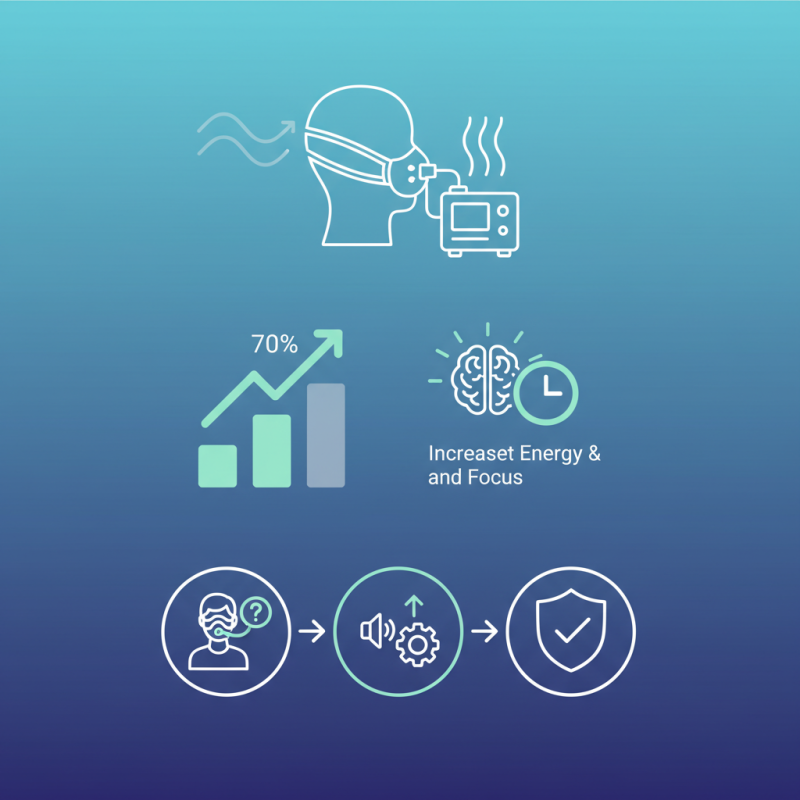
The Apap Machine delivers a variable pressure based on your needs throughout the night. This technology customizes airflow, enhancing comfort and effectiveness. According to recent studies, proper use of an Apap Machine can improve sleep quality by up to 70%. Many users report feeling more energized and focused after consistent use.
However, adapting to an Apap Machine can come with challenges. Some individuals find it difficult to get used to the mask or the noise of the machine. Others may be unsure of how to optimize settings for personal comfort. It’s crucial to learn how to use the Apap Machine effectively to maximize its benefits. Small adjustments can lead to significant improvements in sleep patterns.
Understanding APAP Machines and Their Functionality
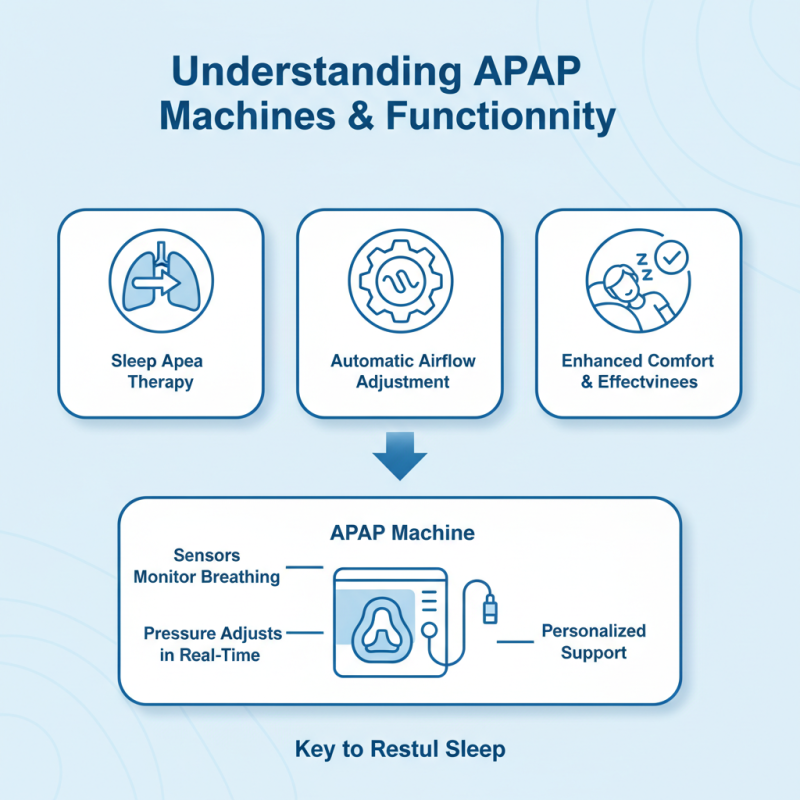
APAP machines are essential for those with sleep apnea. They automatically adjust airflow based on your breathing patterns. This allows for a more comfortable and effective therapy experience. Understanding how APAP machines work can enhance their effectiveness.
These devices create a steady airflow to keep airways open. They monitor your breathing throughout the night. If a blockage occurs, the device increases pressure. This responsiveness makes APAP therapy versatile. However, users may find adjustment challenging. A noisy machine can disrupt sleep and lead to frustration.
Fitting the mask properly is crucial for success. It should be snug but comfortable. A poorly fitted mask can cause leaks and discomfort. Many users experience irritation at first. This can lead to reluctance in consistent use. Regular cleaning and maintenance of the device are also important. Neglecting this can affect performance and hygiene. Patience and persistence are key to making APAP therapy work effectively.
Setting Up Your APAP Machine for Optimal Performance
Setting up your APAP machine can significantly improve your sleep quality. Start by placing the machine on a stable, flat surface. Ensure the unit is not too close to the wall. This allows for proper airflow. Use a clean, comfortable mask that fits snugly. A poorly fitting mask can lead to leaks, disrupting your rest.
Tips: Clean your mask and tubing regularly to prevent bacteria buildup. It’s essential for your health. Also, check the humidity setting. Too much moisture can create discomfort, while too little may dry out your airways. Adjust these settings based on your personal needs.
Take time to familiarize yourself with the controls. Each machine may have unique features. Don't hesitate to explore the user manual. It’s okay to feel overwhelmed at first. As you practice, you'll find the optimal settings for your comfort. Each night, make adjustments as needed. This ongoing process will lead to better sleep over time.
Adjusting APAP Settings for Personalized Comfort
Adjusting the settings on your APAP machine can significantly enhance your sleep quality. Each person's needs are unique. According to the American Academy of Sleep Medicine, personalized therapy increases compliance and efficacy. Many users overlook the importance of fine-tuning their settings. They may stick with default configurations that don't suit their sleeping habits or pressure requirements.
Tip: Start with small adjustments. If you're too uncomfortable, lower the pressure slightly. Too high a pressure can lead to air leaks or discomfort. Monitor how you feel each night. Documenting trends can provide insights into what works best for you. Don't hesitate to try different settings over a few nights.
Sometimes, users fear changes. This restricts their sleep therapy. Be aware that it may take weeks to find the best configuration. The National Sleep Foundation suggests regular check-ins on your therapy progress and comfort level. Misadjusted settings can lead to poor sleep and daytime fatigue. Start with gradual changes, and be patient with the process. Your comfort matters most and should be the priority in achieving better sleep with your APAP machine.
How to Use an Apap Machine Effectively for Better Sleep? - Adjusting APAP Settings for Personalized Comfort
| Setting |
Description |
Recommended Value |
Adjustability |
| Pressure Settings |
The amount of air pressure needed to keep the airway open. |
4 to 20 cmH2O |
Yes |
| Ramp Time |
Time taken for the machine to reach the prescribed pressure. |
5 to 45 minutes |
Yes |
| Auto Start |
Machine automatically starts when you begin to breathe into the mask. |
Enabled |
Yes |
| Humidification Level |
Moisture added to the airflow to reduce dryness. |
1 to 5 (Low to High) |
Yes |
| Mask Fit |
Ensures the mask is snug and leak-free. |
Adjust accordingly |
Yes |
| Data Tracking |
Monitor usage, apnea events, and mask fit. |
Enabled |
Yes |
Maintaining and Cleaning Your APAP Equipment Regularly
Regular maintenance and cleaning of your APAP machine is crucial for optimal performance. It is recommended that users clean their devices daily. A study by the American Academy of Sleep Medicine found that consistent cleaning can reduce the risk of respiratory infections by up to 50%. Dust, bacteria, and mold can accumulate in tubing and masks, impacting air quality. Neglecting this routine can lead to poor sleep quality and decreased therapy effectiveness.
Use warm water and mild soap to clean your mask, tubing, and humidifier chamber. It is advisable to air dry these components completely. Regular inspections for wear and tear are also essential. Filters should be replaced according to the manufacturer’s guidelines, typically every 30 days. Also, the AASM notes that a clean setup can improve user comfort and compliance by as much as 60%. It’s easy to overlook these details, but your health depends on it. Reflecting on your habits could make a significant difference in sleep quality.
APAP Machine Usage and Sleep Quality Over One Month
This chart illustrates the average nightly usage hours of an APAP machine and corresponding sleep quality ratings collected over a month. Maintaining and cleaning your APAP equipment regularly can lead to improved sleep quality.
Tips for Overcoming Common Challenges with APAP Therapy
Using an APAP machine can significantly improve sleep quality. However, many users face challenges while adapting to this therapy. One common issue is discomfort with the mask. It can feel tight or cause irritation. To ease this, try adjusting the straps for a better fit. Consider using a mask liner to reduce friction on your skin. Remember, it’s okay to feel uneasy at first; it takes time to get accustomed.
Another challenge is the noise of the machine. Some find it disruptive, especially during the night. Placing the device further away from the bed can help. You might also play a white noise sound, which can mask any bothersome sounds. If you still struggle, reflection on the environment can be beneficial. Consider creating a calming nighttime routine to improve your overall comfort.
Lastly, remembering to clean the equipment regularly is crucial. Neglecting this can lead to infections or odors. Set a reminder to wash components weekly. Using distilled water can also minimize mineral buildup. These small adjustments can lead to better therapy results. Embrace the process and be patient with yourself; the journey to better sleep is worth it.