Top 10 Tips for Using Your Apap Machine Effectively?
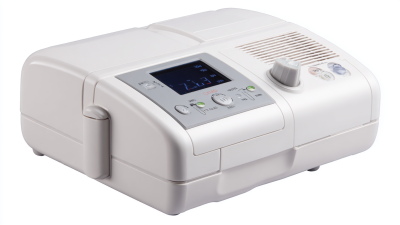
In the realm of sleep medicine, Dr. Emily Thompson, a renowned expert in sleep therapy, emphasizes the importance of mastering the "Apap Machine." She states, "Effective use of your APAP can transform your sleep experience." This device is not just a tool; it is a pathway to restful nights and revitalized days.
Understanding the mechanics of your Apap Machine is crucial. Many users struggle to find the right settings, leading to frustration. Adjusting pressure levels may seem daunting, but remember, it's a personal journey. Each person’s needs differ, and what works for one may not work for another. Engaging with your device is essential; it's not merely a gadget but a companion for better sleep.
The success of your Apap journey hinges on consistency and comfort. It requires dedication to establish a routine. Users often report feelings of overwhelm when starting. However, taking small steps, like using the machine every night, can yield significant benefits. Reflect on your progress and recognize that adapting takes time. With patience and the right mindset, the Apap Machine can become an integral part of your life.
Choosing the Right APAP Machine for Your Needs
Choosing the right APAP machine is crucial for effective sleep apnea management. A recent report from the American Academy of Sleep Medicine indicates that nearly 22 million Americans suffer from sleep apnea. This emphasizes the need for proper equipment selection. Factors like pressure settings, comfort features, and size can greatly influence user experience.
Consider the pressure range of the machine. Most APAPs adjust pressure automatically based on your needs. However, some users may find their prescribed range can be uncomfortable. This discomfort might lead to non-compliance. Look for models that offer heated humidifiers. Data suggests these features can reduce dryness and irritation.
Don't overlook the importance of fit and comfort. A snug mask is essential, but it shouldn’t be too tight. Studies have shown that leaks can occur with poorly fitting masks. If your machine disrupts your sleep, it may not be doing its job. Ensure the machine is easy to operate and adjust, but also remember that learning to use it takes time.
Top 10 Tips for Using Your APAP Machine Effectively - Choosing the Right APAP Machine for Your Needs
| Tip |
Description |
Importance |
Frequency of Adjustment |
| Choose the Right Mask |
Select a mask that fits comfortably and securely. |
Essential |
As needed |
| Adjust Humidity Settings |
Set humidity levels based on your comfort to reduce dryness. |
Important |
Monthly |
| Regular Cleaning |
Clean your mask, tubing, and machine regularly to prevent infections. |
Critical |
Weekly |
| Monitor Your Progress |
Use data from your APAP machine to track improvements in sleep quality. |
Very Important |
Monthly |
| Consult with Your Doctor |
Regular check-ins with your healthcare provider for optimal settings. |
Essential |
Every 3-6 months |
| Use a Sleep Diary |
Track your sleep patterns and feelings upon waking to share with your doctor. |
Helpful |
Daily |
| Adjust Pressure Settings |
Ensure that pressure settings are comfortable and effective for your sleep apnea. |
Very Important |
As needed |
| Maintain a Smooth Sleeping Environment |
Create a dark, quiet, and cool sleeping environment. |
Important |
Ongoing |
| Stay Informed about Sleep Apnea |
Educate yourself about sleep apnea and management options. |
Beneficial |
Ongoing |
| Use Added Comfort Features |
Utilize features like ramp-up settings to ease into therapy. |
Helpful |
Ongoing |
Understanding APAP Settings and Adjustments
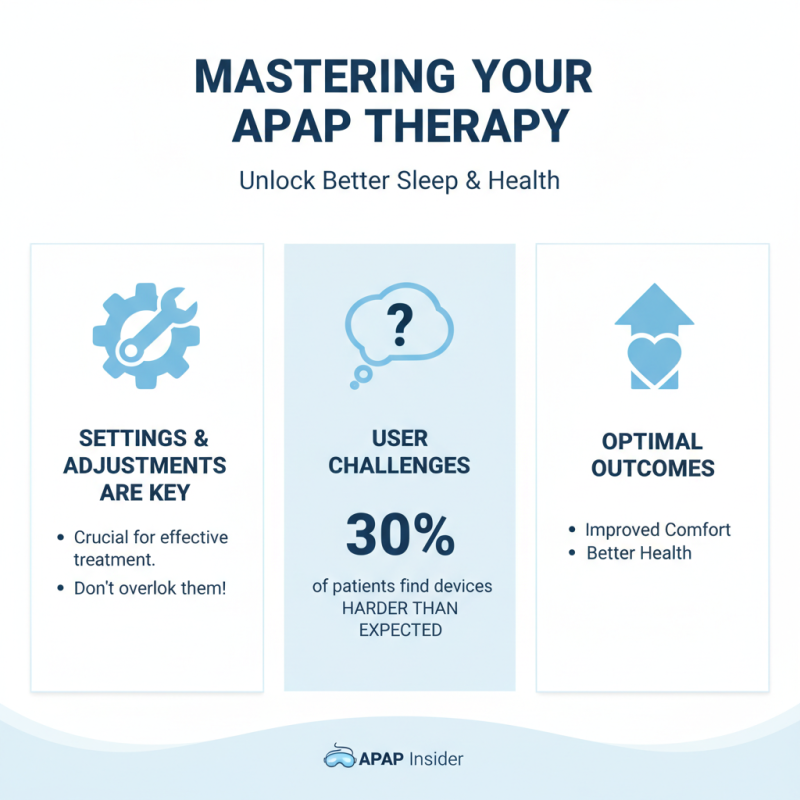
When it comes to using an APAP machine effectively, understanding its settings and adjustments is crucial. Many users overlook this aspect, leading to suboptimal treatment. According to recent studies, about 30% of patients find their devices more challenging to use than expected.
APAP machines automatically adjust pressure based on your breathing patterns. This feature is helpful for many but requires fine-tuning. Regularly check settings to ensure they align with your needs. Customizing the ramp time can make a significant difference in comfort. Some users prefer a gradual increase in pressure, while others may need a more immediate fix.
Tip: Keep a sleep diary. Track your sleep quality and how you feel during the day. This information can help you discuss adjustments with your healthcare provider.
Additionally, if you frequently wake up feeling unrested, it might be worth experimenting with different pressure settings. Research suggests that slight changes can improve therapy effectiveness by up to 50%. Many users, however, stick with initial settings, fearing the unknown. Don't hesitate to explore what works best for you.
Establishing a Consistent Sleep Routine with APAP
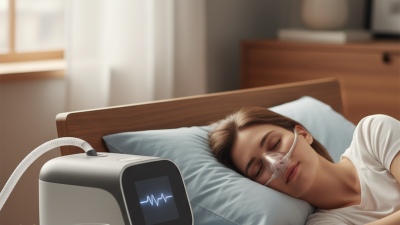
Establishing a consistent sleep routine with an APAP machine can significantly improve your quality of rest. Start by going to bed and waking up at the same time each day. This helps train your body to recognize when it’s time to sleep. Even on weekends, try to stick to your schedule. It isn’t easy to maintain this discipline, especially if social activities disrupt your rhythm.
Creating a comforting sleep environment is also essential. Dim the lights in your bedroom and reduce noise levels. Consider using earplugs or a white noise machine if needed. Keep the room cool and well-ventilated. Yet, sometimes life gets in the way. You may find yourself going to bed later than planned. This irregularity might lead to feeling tired the next day. Reflecting on those moments can help you adjust your routine for better results.
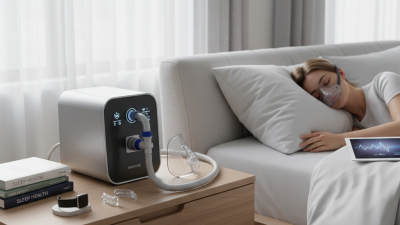
Another crucial aspect is getting used to the APAP machine itself. It might feel uncomfortable at first. Some users experience challenges, like mask leaks or fabric irritation. It’s okay to feel frustrated. Regularly check the fit of your mask and make adjustments as needed. Gradually, you will find the optimal setup that promotes effective use of the machine and enhances your sleep quality.
Maintaining and Cleaning Your APAP Equipment
Cleaning and maintaining your APAP equipment is crucial for its effectiveness. Studies show that improper cleaning can lead to a 50% reduction in device performance. Dust and bacteria accumulate quickly on surfaces. Regularly inspecting and cleaning your mask, tubing, and humidifier can prevent this.
To maintain hygiene, clean your mask daily with warm, soapy water. Rinse thoroughly. Tubing should be washed weekly. Soak it in warm, soapy water for 15 to 20 minutes. Many people overlook this step, leading to potential health risks. Replace the tubing every six months for optimal airflow.
Check your filters regularly. A clogged filter can affect your APAP's functionality. Studies indicate that using clean filters can enhance airflow and comfort. Don’t forget to replace them as needed. Maintaining these components can improve not just device efficiency, but also your overall sleep quality.
Top 10 Tips for Using Your APAP Machine Effectively
Recognizing and Addressing Common APAP Issues
Using an APAP machine can be life-changing, but it's not always easy. Many users face common issues that can disrupt sleep or lead to frustration. One frequent problem is mask leak. If the mask doesn’t fit well, air can escape, preventing effective therapy. Checking the fit regularly is crucial. Adjust straps for comfort, and ensure the mask forms a good seal against your face.
Another issue is discomfort from the airflow. Some users may feel like the pressure is too high. It’s normal to need time to adjust. Using a ramp feature can help gradually increase airflow, easing this transition. Keeping the machine clean also helps in maintaining optimal performance. Dust and moisture can create problems. Regularly clean both the mask and the tubing to prevent buildup and ensure consistent airflow.
Lastly, let’s address waking up frequently. This can be frustrating and disruptive. Monitoring your sleep patterns might reveal underlying issues or the need for adjustments. It’s essential to experiment with different settings. Sometimes, a small change can make a significant difference in comfort and effectiveness. Each user's experience is unique and may require patience and reflection to fully adapt.