10 Essential Tips for Using a Full Face CPAP Mask Effectively?
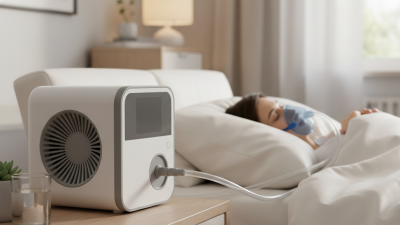
Using a Full Face CPAP Mask can be a game-changer for those with sleep apnea. This mask covers both the nose and mouth, ensuring a steady airflow throughout the night. Many users find it enhances their sleep quality significantly. However, it comes with its own set of challenges. Adjusting to a Full Face CPAP Mask takes time and effort.
You may experience discomfort or leaks initially. Finding the right fit is crucial. Regular cleaning and maintenance of the mask can improve your experience. Users often overlook the importance of adjusting the straps for comfort. Each face shape is unique, so customization is key.
Embracing the Full Face CPAP Mask means being patient. Some nights may feel more difficult than others. Remember, it's a journey toward better sleep. With time and practice, you can master effective use of this essential device.
Choosing the Right Size and Fit for Your Full Face CPAP Mask
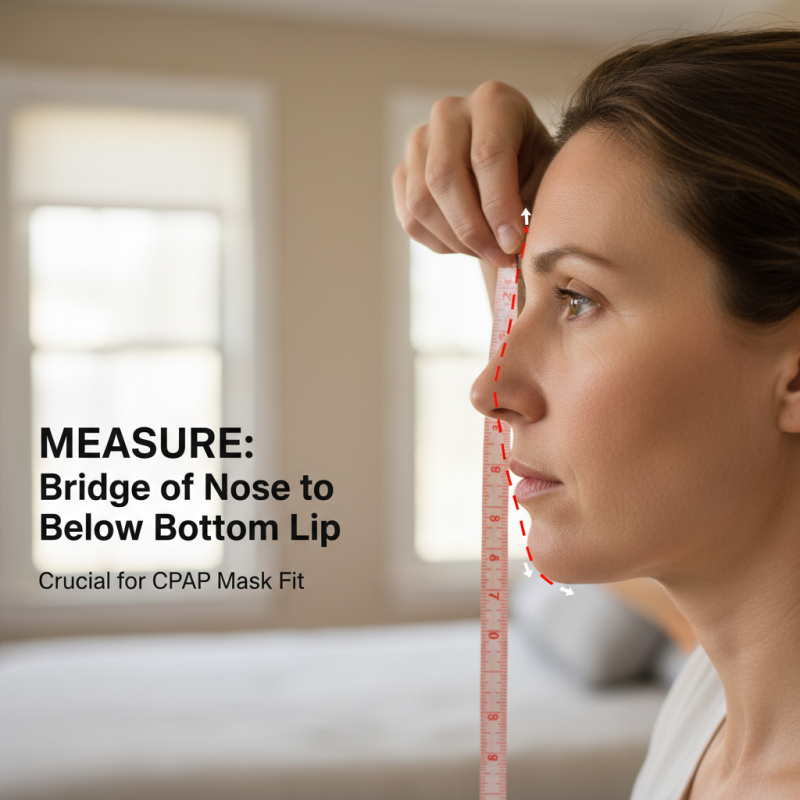
Choosing the right size and fit for your full face CPAP mask is crucial for effective therapy. A proper fit prevents air leaks that can disrupt sleep. To find the right size, measure your face from the bridge of your nose to below your bottom lip. This measurement helps you select the correct mask size.
Consider trying different sizes. Sometimes, what appears to be a perfect fit may feel uncomfortable later. Adjust the straps slowly. Over-tightening can lead to discomfort and skin irritation. If you notice marks on your face, it’s a sign the mask is too tight.
Once you find the right fit, test it while lying down. This can reveal any issues not apparent when standing. Ensure you can breathe comfortably through the nose and mouth. Aim for a snug, but not unbearable fit. Listen to your body. If the mask feels wrong, revisit the sizing. Perfecting this step is essential for a restful night's sleep.
Understanding the Components and Features of a Full Face CPAP Mask
When it comes to using a full face CPAP mask, understanding its components is crucial. A full face mask covers both the nose and mouth, ensuring airflow for those who breathe through their mouth during sleep. The cushion, frame, and headgear are key features. The cushion provides comfort and an effective seal, while the headgear secures the mask in place. Studies show that a proper fit improves therapy adherence by over 70%.
For effective use, here are some tips. Ensure the mask fits snugly but is not too tight. A loose mask can allow air leaks, which disrupt sleep quality. Adjust the straps for comfort. Many users forget to check the headgear periodically; it can stretch over time.
Cleaning your mask regularly is also vital. A buildup of moisture or oils can affect performance. Aim to clean it daily with mild soap and water. Remember, a mask should feel comfortable. If it doesn’t, explore different sizes or styles. Listening to your body is key, as irritation can lead to rejection of the therapy. Proper maintenance and fitting are essential in making the CPAP experience more positive and effective.
Proper Cleaning and Maintenance of Your CPAP Mask for Longevity
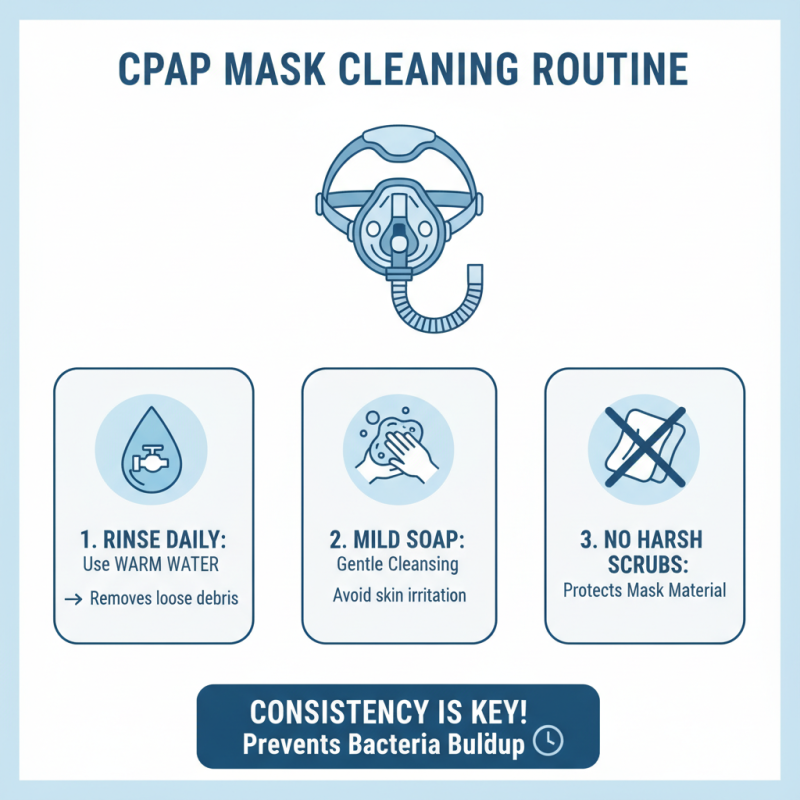
Cleaning your CPAP mask is crucial for maintaining its effectiveness and your health. Start by rinsing the mask daily with warm water. Use a mild soap to avoid irritating your skin. Be gentle; don't use scrubbing pads that might damage the material. You need to be consistent with this routine. Missing even one day can lead to a buildup of bacteria.
After washing, let it air dry completely. Avoid direct sunlight, as it can warp the mask. This step may seem minor, but it's vital. Neglecting proper drying may result in unpleasant odors or infections. Once a week, consider a deeper clean. Soak the mask in a mixture of water and vinegar for about 30 minutes. This can help eliminate stubborn residues.
Remember, even with good maintenance, masks don’t last forever. Inspect yours regularly for wear and tear. If you notice cracks or discoloration, it might be time for a replacement. These small efforts can significantly improve your CPAP experience and overall well-being. Don't underestimate the impact of proper cleaning on your sleep quality.
Tips for Adjusting Your Mask for Comfort and Effective Seal
Finding the right fit for your full face CPAP mask can be challenging. Start by adjusting the straps evenly. This helps distribute pressure across your face, minimizing discomfort. A mask that’s too tight may create red marks or irritate your skin. You should check for leaks around the edges regularly. A poor seal can disrupt your therapy.
When trying to achieve a comfortable fit, remember that small adjustments can make a big difference. Tightening the straps a bit can improve the seal, but don’t go overboard. If the mask feels bulky or heavy, try different cushion sizes. This can greatly impact your overall experience. The goal is to feel secure without feeling claustrophobic.
Don’t hesitate to experiment! If your mask isn’t working as expected, take time to make adjustments. You may need to change your sleeping position, too. Lying on your side might cause the mask to shift. A little reflection on these factors can lead to better compliance with your therapy. Comfort should never be overlooked.
Troubleshooting Common Issues with Full Face CPAP Masks
Using a full face CPAP mask can be a challenge, especially for new users. Issues can arise that make the experience uncomfortable. One common problem is mask leakage. A poorly fitting mask can cause air to escape, disrupting sleep. Adjust the straps to find a snug fit. If it still leaks, consider different sizes or styles.
Skin irritation is another frequent issue. The mask can cause redness or sores on the face. To mitigate this, clean the mask regularly. Use a soft cloth to avoid harsh abrasives. Consider using a mask liner for added comfort. Some people find their mask frustrating throughout the night. It's essential to take breaks if needed, but breaking the routine might worsen sleep apnea symptoms.
Patients often report difficulty in breathing through the mask. This feeling can be daunting. Relaxation techniques can help ease anxiety. In some cases, switching to a nasal option during the day may provide relief. Checking filters and setting adjustments is crucial, too. Taking time to troubleshoot these problems can greatly improve the experience and effectiveness of using a full face CPAP mask.
10 Essential Tips for Using a Full Face CPAP Mask Effectively
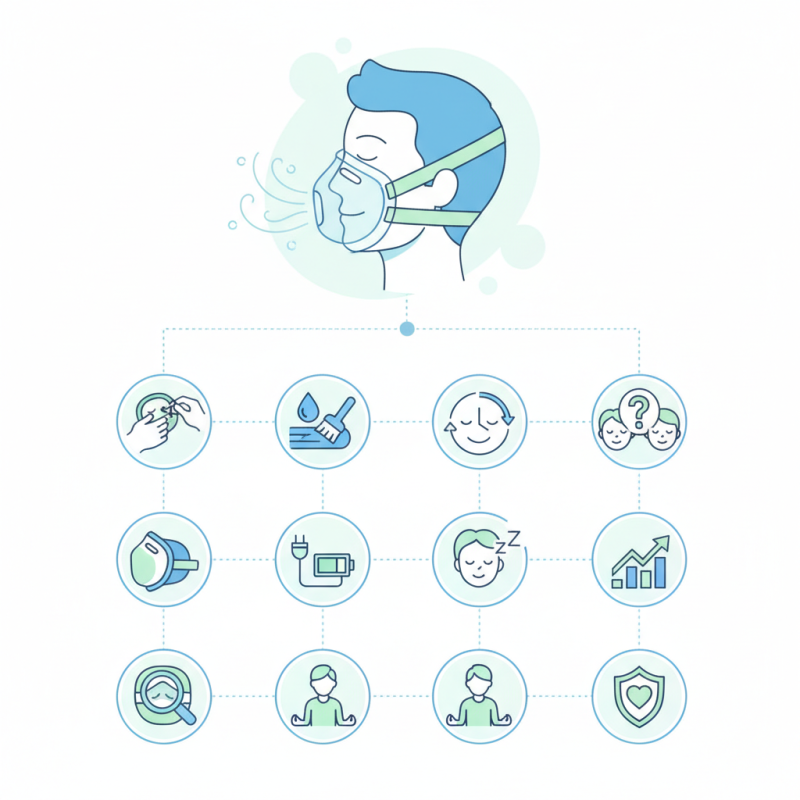
This chart displays the importance level of various tips for effectively using a full face CPAP mask. Each tip is rated from 1 to 10, helping users understand which practices are crucial for optimal usage.