2026 How to Choose the Right Oxygen Concentrator Machine for Your Needs?
Choosing the right Oxygen Concentrator Machine can be a daunting task. With many options available, it is essential to understand your specific needs. Dr. Emily Larson, an expert in respiratory therapy, once stated, "Selecting an oxygen concentrator is critical for effective patient care." This highlights the importance of careful consideration.
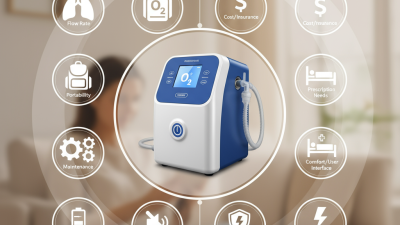
Many factors influence your choice, such as portability, flow rate, and battery life. A compact, lightweight model may be perfect for travel, while a more powerful option is needed for home use. Some models are designed with extra features, which can complicate the decision process.
Personal experiences can vary greatly. Users often share mixed feedback on their choices, revealing the challenges in finding the ideal Oxygen Concentrator Machine. It's important to reflect on what worked and what didn’t. Each person's journey can help shape our understanding of these devices, leading to better decisions for future users.
Understanding Oxygen Concentrators: A Comprehensive Overview
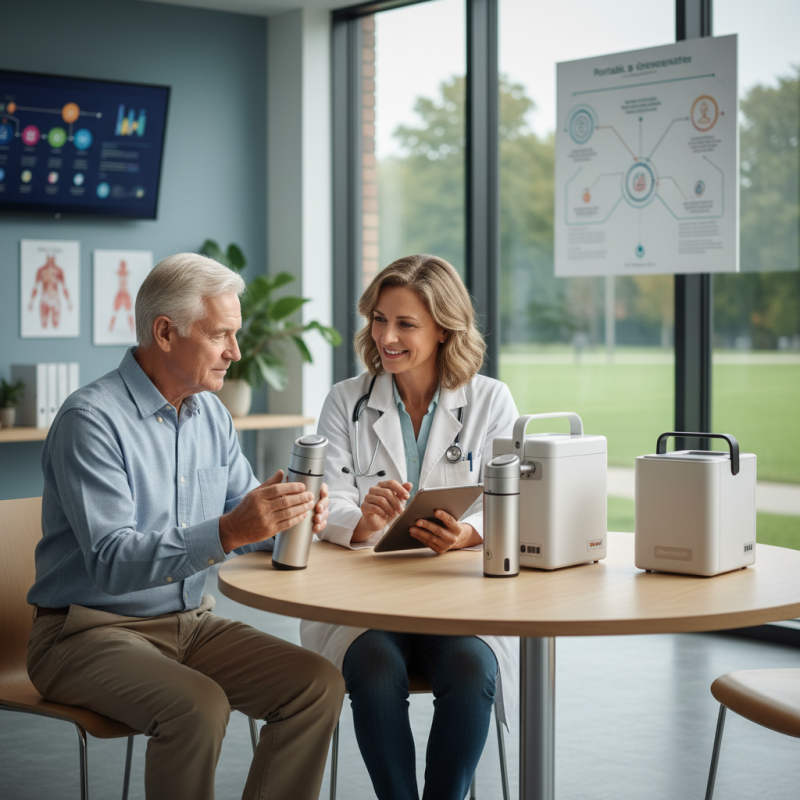
Oxygen concentrators are essential for many people. They provide a continuous supply of oxygen to those with breathing difficulties. These machines filter and concentrate oxygen from the air. It’s important to understand how they work before choosing one.
Different models have various features. Some are portable, while others are stationary. Consider your mobility needs. If you travel often, a lightweight model may be better. Stationary units might offer higher output. Analyze your daily routine and the oxygen flow you require.
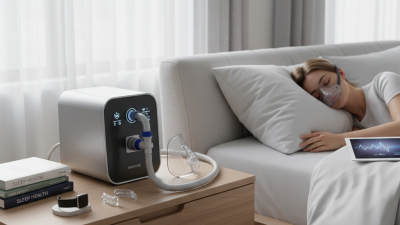
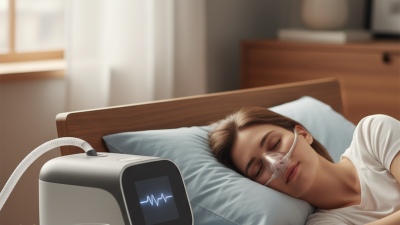
You must also consider noise levels. Some machines produce more sound than others. A quieter model is preferable if you have a sensitive household. Maintenance is another key aspect. Some units require more frequent cleaning. This can be a hassle for busy individuals. Reflect on your lifestyle to help make an informed choice.
2026 How to Choose the Right Oxygen Concentrator Machine for Your Needs?
| Feature |
Description |
Considerations |
| Oxygen Flow Rate |
The rate at which oxygen is delivered, measured in liters per minute (LPM). |
Choose based on your medical needs; common ranges are between 1-10 LPM. |
| Portability |
Weight and size impact how easily you can transport the unit. |
Consider if you'll travel frequently or need it for home use. |
| Noise Level |
Sound level produced during operation, usually measured in decibels (dB). |
Lower noise levels are better for sleep and daily activities. |
| Oxygen Concentration |
The percentage of oxygen output, ideally around 90-96% for medical use. |
Ensure the concentrator meets required medical specifications. |
| Battery Life |
Duration the unit can run on battery power without being plugged in. |
Longer battery life is essential for travel or emergencies. |
| Ease of Use |
How simple it is to operate and adjust settings on the machine. |
Look for user-friendly interfaces and intuitive controls. |
| Maintenance Requirements |
Frequency and type of maintenance required for optimal performance. |
Regular cleaning and filter changes should be manageable. |
Identifying Your Oxygen Therapy Needs and Requirements
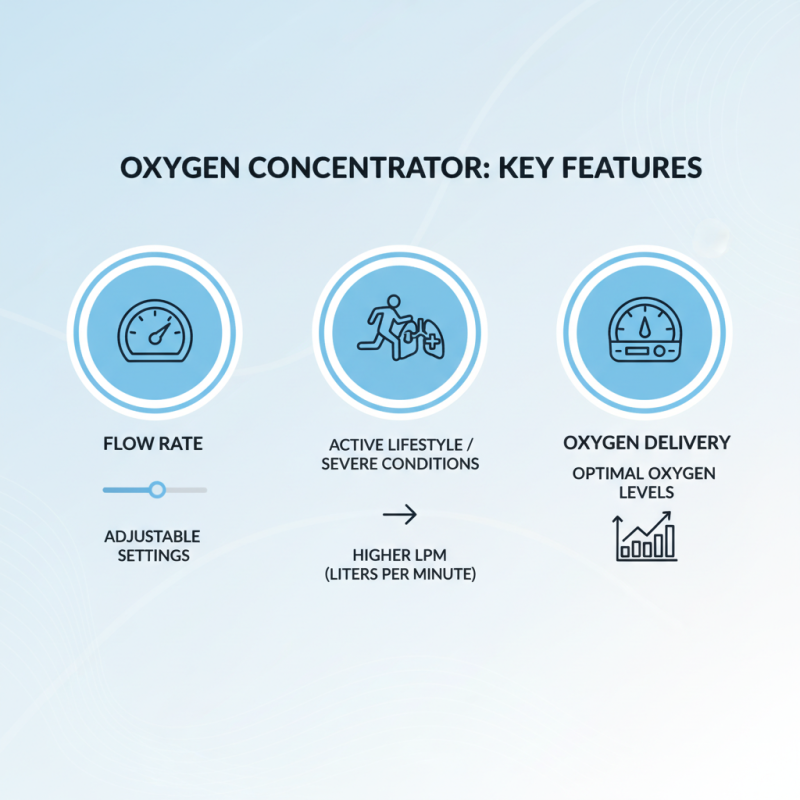
Choosing the right oxygen concentrator involves understanding your specific needs. Start by considering how much oxygen you require daily. This will depend on your medical condition. If you have chronic respiratory issues, your doctor can provide valuable input on your requirements.
Another important aspect is mobility. Will you be using the concentrator at home or on the go? Some devices are lightweight and portable. Others are more suitable for home use. Think about where you will use it most. If you travel often, a compact option may be necessary.
Pay attention to the features you need. Some machines offer continuous flow, while others have pulse dose options. Do you need a machine that works quietly during the night? Reflect on how these factors impact your daily life. You might find that what you initially thought you needed changes as you explore options.
Comparing Portable vs. Stationary Oxygen Concentrators
When choosing between portable and stationary oxygen concentrators, understanding your lifestyle is crucial. Portable units generally weigh less than 5 pounds. They are designed for mobility and can be charged in a car. This makes them ideal for those who enjoy traveling or leading an active life. Recent data shows that about 30% of oxygen users prefer portable models for their versatility.
Stationary oxygen concentrators, on the other hand, are typically larger and more powerful. They can provide a continuous flow of oxygen, catering to users with higher needs. According to industry reports, these units can produce 10 liters per minute, far exceeding portable options. However, they limit mobility as they require a power source. Users in a home setting may find them more suitable.
It's essential to weigh the pros and cons. Portables may serve your active lifestyle but may come with limitations in oxygen delivery. Stationaries provide stable oxygen but can feel restrictive. Reflect on your daily routines, activities, and specific oxygen requirements to make the best choice for your needs.
Evaluating Costs, Brands, and Warranty Options for Your Choice
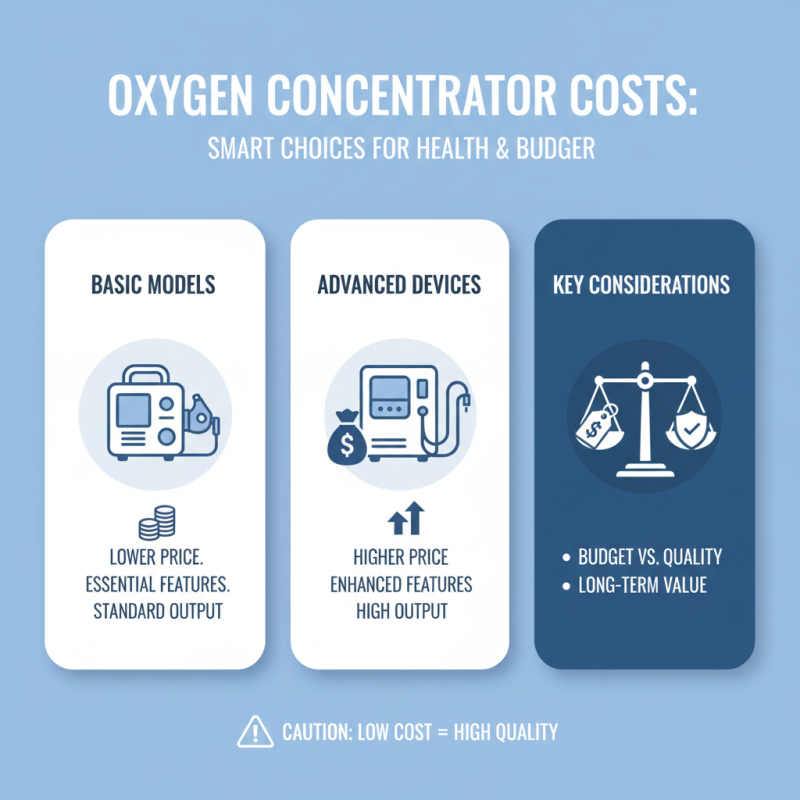
When selecting an oxygen concentrator, evaluating costs is crucial. Prices can vary significantly based on features and capabilities. Basic models may start at a lower range, while advanced devices provide higher output levels at a premium. It's essential to assess what fits your budget. However, low costs can sometimes lead to compromises in quality. Buyers might feel tempted by cheaper options but must consider long-term value.
Brand reputation matters. Established manufacturers often provide reliable machines with strong support networks. Yet, smaller brands may offer competitive products at lower prices. Researching customer reviews can offer insights, but be mindful of biased opinions. Look for verified users to share their experiences.
Warranties add another layer of protection. Basic models might come with limited warranties, leaving you exposed to potential costs. A more extended warranty reflects confidence in product reliability. Consider models that offer maintenance support or replacements. This can mitigate future expenses. Weighing these factors can lead to a more balanced decision.