2025 How to Use a Pulse Oximeter for Accurate Health Monitoring
In the realm of health monitoring, the Pulse Oximeter has emerged as an essential tool, particularly for those managing chronic conditions or closely monitoring their respiratory health. This small, non-invasive device measures the oxygen saturation level in a person's blood, providing crucial insights into their overall well-being. As we approach 2025, the importance of understanding how to effectively use a Pulse Oximeter cannot be overstated, especially in the context of increased health awareness and the ongoing emphasis on preventative care.
Utilizing a Pulse Oximeter accurately requires not only familiarity with the device itself but also an understanding of the factors that can influence readings. From proper placement on the finger to understanding environmental impacts, users need to be equipped with the knowledge to interpret the data meaningfully. This guide aims to demystify the process and equip individuals with practical tips to ensure that they can monitor their health accurately and efficiently. As we navigate through this essential healthcare tool, approaching its usage with informed confidence can significantly enhance personal health management strategies in the coming years.

Understanding the Basics of a Pulse Oximeter and Its Functionality
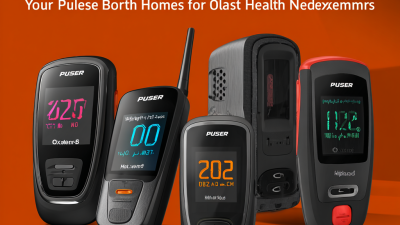
A pulse oximeter is a non-invasive device that measures the oxygen saturation level in your blood. This small gadget clips onto your fingertip and uses light sensors to determine the amount of oxygen bound to hemoglobin in your red blood cells. Understanding how a pulse oximeter works is vital for accurate health monitoring, especially for individuals with respiratory or cardiovascular conditions. The readings are expressed as a percentage; normal oxygen saturation levels typically range from 95% to 100%. Knowing how to interpret these numbers can help you make informed decisions about your health.
**Tips for Using a Pulse Oximeter:**
Before taking a reading, ensure that your hands are warm and relaxed to get a more accurate measurement. Remove any nail polish or artificial nails, as these can interfere with the sensor's performance. Hold your hand still and avoid moving to ensure proper readings. It's also important to remember that factors like altitude, pregnancy, or certain medical conditions can affect your oxygen saturation levels.
Regular monitoring with a pulse oximeter can provide early warning signs of health issues. Keep a journal of your readings, especially if you notice any fluctuations. Share this information with your healthcare provider, as it can aid in diagnosing potential concerns and adjusting treatment plans. Understanding how to effectively utilize a pulse oximeter empowers individuals to take charge of their health and maintain better overall well-being.
Choosing the Right Pulse Oximeter for Personal Health Monitoring
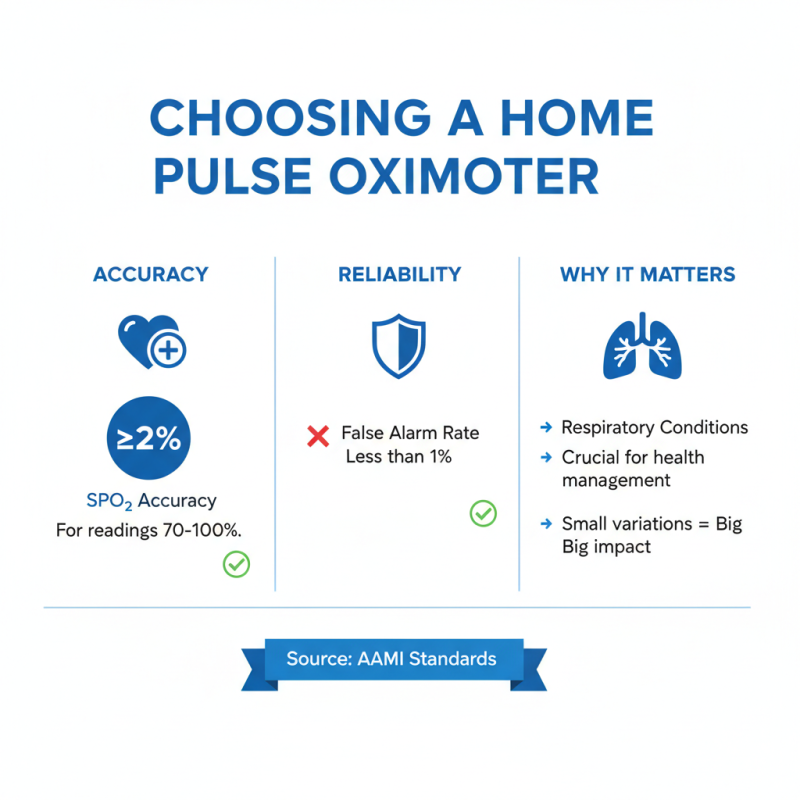
When selecting a pulse oximeter for personal health monitoring, it is crucial to consider several factors to ensure accuracy and reliability. According to the Association for the Advancement of Medical Instrumentation (AAMI), a quality pulse oximeter should provide a SpO2 accuracy of ±2% for readings between 70% and 100% while maintaining a false alarm rate of less than 1%. Such precision is essential, especially for individuals with respiratory conditions, as even slight variations in oxygen saturation can significantly impact their health management.
Furthermore, users should look for pulse oximeters that are validated through clinical studies and have passed certifications from recognized bodies. A recent report from the American Thoracic Society highlighted that pulse oximeters used in home monitoring significantly improve the ability to identify hypoxemia, which correlates with better health outcomes for patients with chronic obstructive pulmonary disease (COPD). Additionally, factors like ease of use, display readability, and portability should also be considered, particularly for those who may require frequent monitoring or are on-the-go. Establishing the right choice in pulse oximeters ultimately fosters proactive health management, empowering users to take control of their wellness effectively.
Step-by-Step Guide to Properly Using a Pulse Oximeter
Using a pulse oximeter is a straightforward process that can significantly enhance your health monitoring experience. To start, ensure that your hands are clean and warm, as cold or dirty fingers can affect the accuracy of the readings. Choose a finger, typically the index or middle finger, to place the device over. Press the device's clip gently to ensure it sits snugly but comfortably on your fingertip.
Once the pulse oximeter is in place, keep your hand still and allow the device a few moments to get an accurate reading. The display will show your blood oxygen saturation levels (SpO2) and heart rate. Normal SpO2 levels typically range from 95% to 100%. If the readings fall below this range or if you experience symptoms such as shortness of breath or unusual fatigue, it's advisable to consult a healthcare professional. After usage, remove the device and store it in a safe place for future monitoring. Regular checks can provide valuable insights into your respiratory and overall health.
2025 How to Use a Pulse Oximeter for Accurate Health Monitoring - Step-by-Step Guide to Properly Using a Pulse Oximeter
| Step Number |
Action |
Details |
Time Required |
| 1 |
Preparation |
Ensure hands are clean and warm for accurate results. |
2 minutes |
| 2 |
Placement |
Place the pulse oximeter on a finger, ensuring a snug fit. |
1 minute |
| 3 |
Reading |
Wait for the oximeter to display a reading of oxygen saturation. |
10-30 seconds |
| 4 |
Recording |
Note down the reading and compare it with normal levels. |
2 minutes |
| 5 |
Interpretation |
Consult healthcare provider if readings are abnormal. |
Variable |
Interpreting Pulse Oximeter Readings for Health Insights
Interpreting pulse oximeter readings is crucial for understanding your overall health, particularly when monitoring respiratory conditions or general wellness. A pulse oximeter measures the oxygen saturation level in your blood, providing insights into how effectively your body is delivering oxygen to tissues and organs. A normal reading typically falls between 95% and 100%. Readings below this range may indicate issues such as respiratory distress or inadequate oxygenation, necessitating further investigation or medical consultation.
It is important to consider additional factors when interpreting pulse oximeter readings. For instance, movement, nail polish, or artificial nails can interfere with the accuracy of the device. If you're in a high altitude environment, you may also see lower readings, as the oxygen concentration in the air is reduced. Furthermore, interpreting the readings in conjunction with other symptoms—such as difficulty breathing, fatigue, or changes in heart rate—can provide a more comprehensive understanding of your health status. Regular monitoring can help detect fluctuations in oxygen levels, making it a valuable tool for proactive health management.
Common Mistakes to Avoid When Using a Pulse Oximeter
When using a pulse oximeter, it's crucial to avoid common mistakes that can lead to inaccurate readings. One of the most prevalent errors is the placement of the device. The pulse oximeter should be properly positioned on the fingertip, ensuring that it covers the nail bed fully without squeezing too tightly. A study published in the "Journal of Clinical Monitoring and Computing" highlights that misplacement can result in up to a 10% discrepancy in oxygen saturation readings, which could mislead users regarding their health status.
Another mistake is failing to consider the influence of environmental factors. Low temperatures can constrict blood vessels, leading to unreliable readings. According to data from the American Thoracic Society, readings taken in temperatures below room temperature can show significant variability, urging users to wait until they are in a normal temperature environment before taking measurements. Additionally, excessive movement can disrupt the accuracy of readings, so it’s advisable to remain still during the process. Understanding these critical points can enhance the reliability of pulse oximeter use and ensure accurate health monitoring.
2025 Pulse Oximeter Usage Trends
This chart illustrates the average pulse oximeter readings in various health conditions over a week. Higher readings generally indicate better oxygen saturation levels in the blood.