Top Pulse Oximeter Features You Need to Know for Health Monitoring?
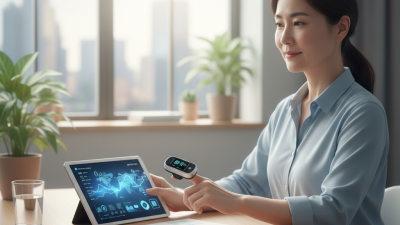
The Pulse Oximeter is becoming an essential tool for health monitoring. According to a report by MarketsandMarkets, the global pulse oximeter market is projected to reach $2 billion by 2026. This growth is driven by increasing health awareness and the need for remote patient monitoring. Experts, like Dr. Emily Chen, emphasize the importance of this device, stating, "Pulse Oximeters are critical for early detection of health issues."
Pulse oximeters measure blood oxygen levels and pulse rates effectively. They provide quick insights, especially for patients with respiratory conditions. However, users sometimes overlook accuracy. A 2020 study revealed that around 40% of home Pulse Oximeters yielded inaccurate readings in certain conditions.
This highlights the need for education on their proper use. Not all models offer the same features. Understanding key specifications, such as sensor technology and display types, is crucial. Consequently, users must remain aware of potential limitations when relying on these devices for health management.
Essential Functions of a Pulse Oximeter for Accurate Readings
When choosing a pulse oximeter, understanding its essential functions is key. A reliable device measures blood oxygen levels and provides heart rate data. Many health experts recommend a minimum accuracy of ±2% for readings. Devices that meet this standard can be helpful for monitoring conditions like COPD or COVID-19.
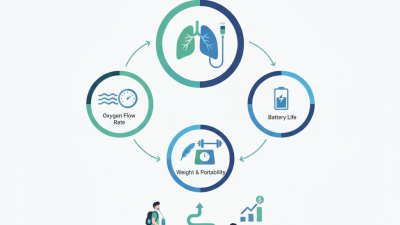
Additionally, features such as a bright display and simple interface enhance usability. A good pulse oximeter should offer real-time data tracking and memory storage for historical readings. Interestingly, a recent study showed that users often overlook the importance of battery life. Devices with short battery life can lead to missed data and disrupted monitoring sessions.
Lightweight designs increase portability, making it easy to carry for daily use. Some pulse oximeters come with alarms for critical readings, but users may find alert sounds ineffective in noisy environments. Calibration accuracy depends on user handling and external factors like temperature. These details can compromise readings, underscoring the need for user education about proper usage.
Top Pulse Oximeter Features You Need to Know for Health Monitoring
This bar chart illustrates the essential functions and accuracy of pulse oximeters, showcasing their key features for effective health monitoring.
Key Metrics Monitored by Pulse Oximeters: Understanding SpO2 and PR
Pulse oximeters are essential for monitoring key health metrics. They primarily measure SpO2 and heart rate (PR). Understanding these metrics can lead to better health insights. SpO2 indicates the percentage of oxygen in the blood. Normal readings usually range from 95% to 100%. Lower levels might signal respiratory issues. A reading below 90% is concerning and requires attention.
Heart rate, or PR, reflects how fast the heart beats. A normal rest rate ranges from 60 to 100 beats per minute. Athletes may have lower resting rates. Keeping track of heart rate can reveal much about physical fitness and response to exercise. However, factors like stress or illness can skew results. It's essential to use pulse oximeters correctly for accurate readings.
The convenience of pulse oximeters is undeniable. They offer quick, non-invasive measurements. But results can vary with user technique. Skin tone, movement, and external light can all affect accuracy. Users need to be mindful of these variables. Always consider these factors when interpreting results. They're helpful tools, yet their limitations should not be overlooked.
Design and Usability Features for Enhanced Health Monitoring Experience
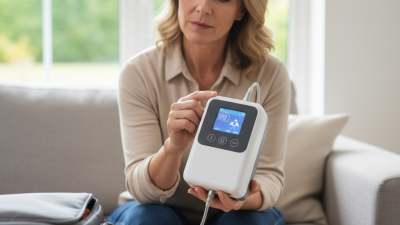
When it comes to health monitoring, design and usability are crucial. A pulse oximeter should be user-friendly. Look for models with simple controls. A bright display is essential. It helps users read results easily, even in low light. A compact and lightweight design encourages regular use.
Additionally, comfort matters. Devices should fit snugly on different finger sizes. This ensures accurate readings without discomfort. Some models come with adjustable features. However, not all of them deliver on this promise. Users should prioritize comfort to enhance their experience.
Battery life is another vital aspect. A device that needs frequent charging can be a hassle. Opt for options with long-lasting batteries. Still, battery performance can vary. Users may encounter unexpected shutdowns during crucial moments. Always check battery status before use to avoid frustration.
Technological Advancements in Pulse Oximeters for Better Accuracy
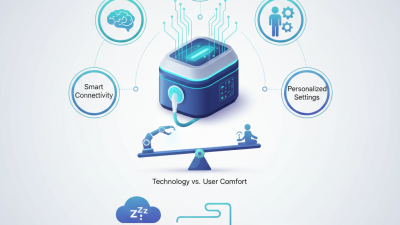
Technological advancements in pulse oximeters have significantly improved accuracy. Modern devices now utilize advanced sensors that provide real-time data. This means quicker and more reliable readings. Some models have integrated Bluetooth technology for seamless data transfer to smartphones. Users can track their health metrics easily.
However, not every device offers the same reliability. Differences in calibration can lead to discrepancies in measurements. It's essential for users to be aware of these factors. Environmental conditions, such as temperature and humidity, may also influence accuracy. Not all devices adapt well to these changes.
Despite improvements, some oximeters still struggle with certain skin tones. Variations in pigmentation can affect readings. Users should reflect on this limitation when monitoring their health. Understand that while technology progresses, challenges remain. Choosing the right device requires careful consideration of these issues.
Top Pulse Oximeter Features You Need to Know for Health Monitoring
| Feature |
Description |
Benefits |
| Accuracy |
Measures blood oxygen saturation levels with high precision. |
Ensures reliable readings for better health monitoring. |
| Battery Life |
Long-lasting batteries for extended use. |
Reduces the need for frequent recharging. |
| Alarm Function |
Audible/visual alerts for low or high oxygen levels. |
Immediate attention in case of abnormal readings. |
| Portability |
Lightweight and compact design for easy transport. |
Convenient for home use and travel. |
| Data Storage |
Ability to save and track measurement history. |
Helps in monitoring health trends over time. |
Safety Considerations and Limitations of Pulse Oximeter Usage
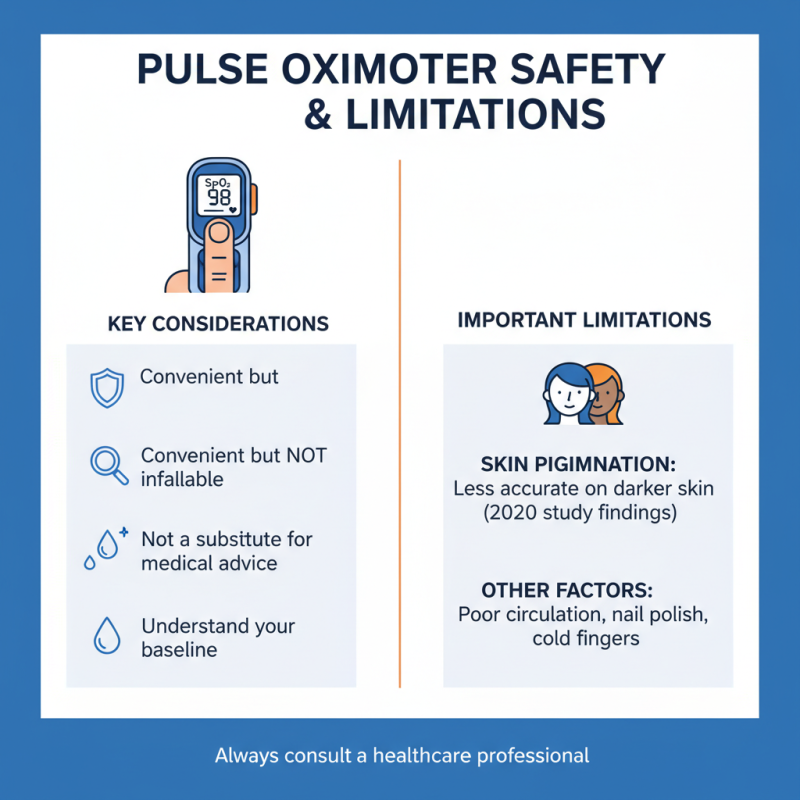
Pulse oximeters are popular for monitoring blood oxygen levels. However, there are important safety considerations and limitations that users need to understand. While these devices are convenient, they are not infallible. A 2020 study found that pulse oximeters could misread oxygen saturation levels, particularly in darker-skinned individuals. This limitation highlights the need for a more cautious approach in interpreting results.
Calibration issues can lead to inaccuracies, especially under certain conditions. For example, motion artifacts can distort readings. If a person is shivering or moving, the data may be less reliable. Moreover, some medical professionals recommend using them as a supplement to, not a replacement for, clinical assessments. This means that if readings seem unusual, consultation with healthcare professionals is essential.
Additionally, health conditions like peripheral vascular disease can impact the accuracy of measurements. A report revealed that individuals with such conditions might experience up to a 10% discrepancy in readings. Regular calibration and understanding the limitations of pulse oximeters are critical for effective health monitoring. Thus, users must remain informed and vigilant when relying on this technology.