How Telemedicine Monitor is Enhancing Patient Care and Access to Healthcare
The advent of technology has revolutionized the way healthcare is delivered, making it more accessible and efficient than ever before. Among these innovations, the Telemedicine Monitor stands out as a critical tool for enhancing patient care and expanding access to healthcare services. By providing real-time monitoring and communication between healthcare providers and patients, this innovative technology has bridged geographical gaps, allowing individuals in remote locations to receive consistent and quality medical attention without the need for extensive travel.
The Telemedicine Monitor not only empowers patients to manage their health from the comfort of their homes but also facilitates timely interventions and personalized care. With features that enable continuous health tracking and immediate reporting of vital signs, healthcare professionals can make informed decisions swiftly, ultimately leading to better health outcomes. As we delve deeper into the transformative impact of the Telemedicine Monitor on patient care, it becomes evident that this technology is not just a temporary solution but a pivotal advancement in the future of healthcare, ensuring that all patients, regardless of their location, have the opportunity to access vital medical services and support.
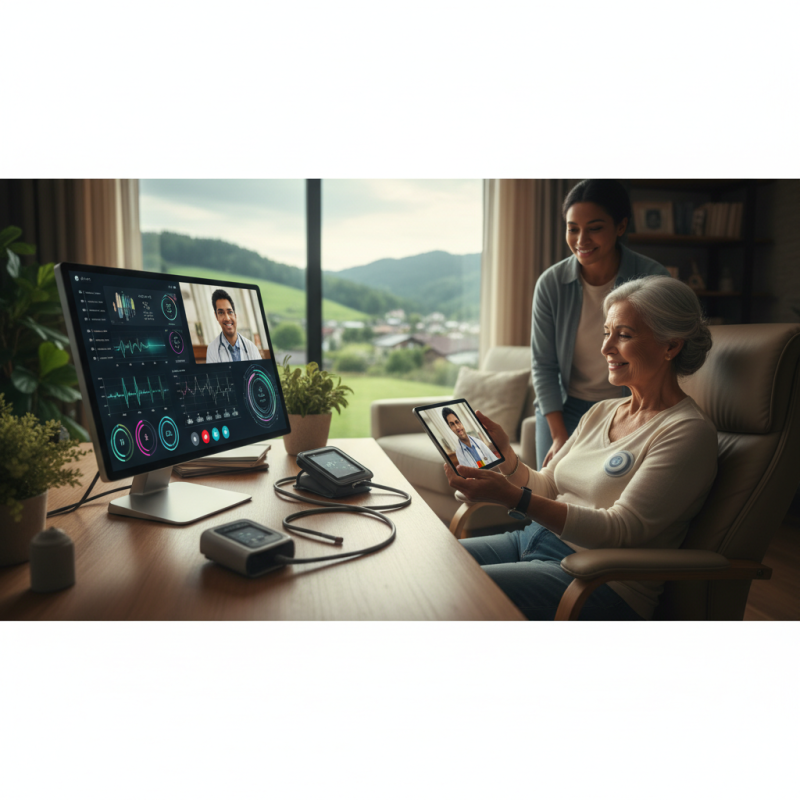
The Rise of Telemedicine: Transforming Patient Care in the Digital Age
The rise of telemedicine has significantly transformed patient care in the digital age, making healthcare more accessible than ever before. According to a report by McKinsey & Company, the use of telehealth services surged by 38 times from pre-COVID-19 levels, revealing a substantial shift in how patients seek medical care. By leveraging technology, telemedicine has broken down geographical barriers, allowing individuals in remote areas to access essential health services that were previously out of reach. This digital transformation has empowered patients to engage with healthcare providers through virtual consultations, leading to improved patient satisfaction and compliance.
Furthermore, the integration of telemedicine into healthcare systems has been shown to enhance the efficiency of healthcare delivery. A study published in the Journal of Medical Internet Research indicates that patients using telehealth services experienced a 50% reduction in hospitalization rates. This not only alleviates pressure on healthcare facilities but also promotes early intervention, reducing overall healthcare costs. As telemedicine continues to evolve with advancements in technology, such as AI-driven monitoring systems, the potential to further enhance patient care and streamline access to healthcare remains promising, reshaping the landscape of the medical field for generations to come.
Telemedicine Impact on Patient Care and Access
Key Benefits of Telemedicine Monitoring for Enhanced Patient Engagement
Telemedicine monitoring has emerged as a transformative tool in enhancing patient engagement and overall healthcare accessibility. One of the key benefits of this technology is that it empowers patients to take an active role in their healthcare journey. By providing real-time data about their health conditions, patients become more informed and can make better decisions regarding their treatments. This not only fosters a sense of ownership but also encourages adherence to prescribed health regimens, ultimately leading to improved outcomes.
Moreover, telemedicine monitoring facilitates continuous communication between patients and healthcare providers. This ongoing dialogue ensures that any emerging health issues can be addressed promptly, minimizing the risk of complications. With accessible platforms for consultations and data sharing, patients feel more connected to their care teams. This enhanced engagement is crucial, especially for individuals managing chronic conditions, as regular monitoring can lead to timely interventions and adjustments in their management plans, thereby improving their quality of life.
Statistical Impact of Telemedicine on Healthcare Access and Outcomes
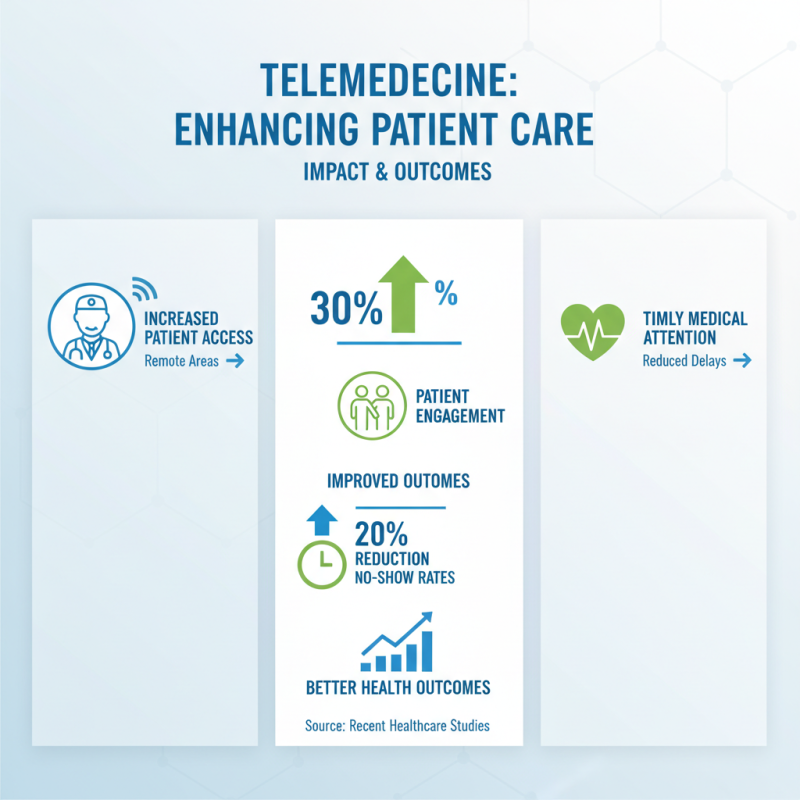
Telemedicine has emerged as a crucial tool in enhancing patient care and access to healthcare services, particularly in recent years. A wealth of statistical data illustrates its significant impact on improving health outcomes. For instance, studies indicate that telemedicine has led to a 30% increase in patient engagement and a 20% reduction in no-show rates for appointments. This shift not only streamlines healthcare delivery but also ensures that patients receive timely medical attention, especially in remote or underserved areas.
Tips for Utilizing Telemedicine Effectively:
1. Ensure that your internet connection is stable to avoid interruptions during consultations.
2. Keep a list of symptoms or questions ready before your appointment to ensure all concerns are addressed.
3. Familiarize yourself with the telemedicine platform in advance to navigate it easily during your visit.
Moreover, telemedicine facilitates access to specialists that might be otherwise out of reach. Reports show a 40% increase in patients receiving specialist care via telemedicine, highlighting its role in bridging the gap between patients and healthcare providers. This expanded access not only fosters better patient compliance but also enhances overall treatment outcomes, as patients can receive more coordinated care without the barriers of travel and time.
Technological Innovations Driving Telemedicine Monitoring Solutions
The rise of telemedicine monitoring solutions is a testament to the transformative power of technological innovations in healthcare. With the global telehealth market projected to reach $559.52 billion by 2027, it is evident that advanced monitoring technologies are reshaping how patients access and receive care. Innovations such as wearable devices, mobile health applications, and remote patient monitoring systems have enabled healthcare providers to deliver continuous care while ensuring that patients remain engaged in their health management.
One of the key benefits of these technological advancements is the improvement in chronic disease management. A report from the American Telemedicine Association revealed that remote monitoring can reduce hospitalization rates by up to 50% for patients with chronic illnesses. By empowering patients to track vital signs and symptoms from home, telemedicine monitoring not only increases the efficiency of care delivery but also enhances patient adherence to treatment plans. Furthermore, telemedicine solutions are bridging geographic barriers, offering healthcare access to individuals in rural areas who historically faced challenges in obtaining timely medical attention.
Moreover, artificial intelligence (AI) and machine learning are playing a pivotal role in advancing telemedicine monitoring systems. A study from McKinsey found that the integration of AI in telehealth has the potential to save healthcare systems up to $250 billion annually by improving operational efficiencies and reducing administrative burdens. These technological innovations not only streamline communication between patients and healthcare professionals but also optimize data analytics for personalized care plans, ultimately enhancing the overall patient experience and outcomes.
Challenges and Considerations for Implementing Telemedicine Services
The implementation of telemedicine services presents several challenges that healthcare providers must navigate to enhance patient care effectively. One significant consideration is the need for a robust technological infrastructure. According to a recent report from the American Telemedicine Association, nearly 20% of healthcare providers cite inadequate technology as a barrier to adopting telemedicine. This includes not only reliable internet access for both patients and providers but also the necessary software and hardware systems to facilitate seamless communication. Addressing these issues is vital for ensuring that telemedicine can reach underserved populations who often lack access to traditional healthcare facilities.
Another challenge is maintaining the quality of patient care in a remote setting. A study published in the Journal of Medical Internet Research found that while patients appreciate the convenience of telehealth, there are concerns regarding the thoroughness of virtual consultations. Healthcare professionals need to develop new strategies for patient assessments and follow-ups to ensure that health outcomes do not suffer. Additionally, privacy and data security considerations cannot be overlooked. With the rise in telemedicine usage, the risk of data breaches increases; a report from Cybersecurity & Infrastructure Security Agency highlighted a 50% rise in cyberattacks targeting health care during the pandemic. Therefore, healthcare providers must invest in cyber defense measures to protect patient information while adapting to the evolving landscape of digital health services.
How Telemedicine Monitor is Enhancing Patient Care and Access to Healthcare - Challenges and Considerations for Implementing Telemedicine Services
| Dimension |
Description |
Impact |
| Increased Access |
Allows patients in remote areas to access healthcare services. |
Improves overall health outcomes and reduces travel time for patients. |
| Cost-Effectiveness |
Lowers healthcare costs for both patients and providers. |
Encourages more patients to seek care, thus improving public health. |
| Patient Engagement |
Improves patient involvement in their own healthcare decisions. |
Leads to better adherence to treatment plans and health protocols. |
| Data Security |
Ensures patient data is protected during virtual consultations. |
Builds patient trust and promotes the use of telemedicine services. |
| Technology Barriers |
Some patients may lack access to technology or have limited tech skills. |
Challenges the widespread adoption of telemedicine. |
| Regulatory Issues |
Complex regulations can hinder telemedicine implementation. |
May lead to inconsistencies in service quality across regions. |