Top 10 Tips for Choosing the Best Oxygen Concentrator Machine
As the demand for Oxygen Concentrator Machines continues to rise globally, particularly in light of recent health challenges, it becomes crucial for consumers to make informed decisions when selecting the right unit for their needs. According to a recent market analysis from Grand View Research, the global oxygen concentrator market size was valued at approximately $2.3 billion in 2022 and is projected to expand at a compound annual growth rate (CAGR) of 8.8% from 2023 to 2030. This growth reflects not only the increasing prevalence of respiratory diseases but also a growing awareness of the benefits of oxygen therapy.
Dr. Sarah Thompson, a leading respiratory health expert, emphasizes the significance of choosing a suitable Oxygen Concentrator Machine: "Selecting the right oxygen concentrator is vital for ensuring optimal therapy outcomes and improving the quality of life for patients." Her insight underscores the importance of considering various factors such as flow rate, portability, maintenance, and noise levels when making this crucial choice. As we delve into the top 10 tips for choosing the best oxygen concentrator machine, understanding these key aspects will empower consumers to select devices that meet their specific medical requirements while enhancing their overall well-being.

Understanding Oxygen Concentrators: Essential Features to Consider
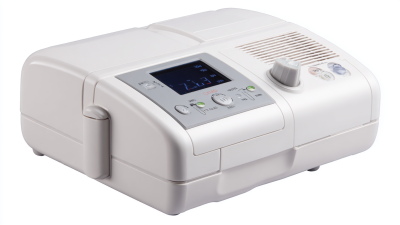
When considering purchasing an oxygen concentrator, it's essential to understand the crucial features that can significantly impact your experience and health. First and foremost, consider the flow rate. The flow rate, measured in liters per minute (LPM), indicates the volume of oxygen the machine can deliver. Depending on your medical needs, selecting a machine that can provide adequate flow for your requirements is vital. Higher flow rates are essential for patients with severe respiratory issues, while others may only need a lower rate.
Another critical aspect to evaluate is the oxygen purity level. Most concentrators deliver oxygen purity levels of around 90-95%. However, if you require higher purity for specific medical conditions, ensuring the machine you choose meets this criterion is essential. Additionally, look for features such as portability and battery life, especially if you plan to use the concentrator while traveling or outside your home. Many modern units are designed to be lightweight and compact, making them easy to transport.
When selecting an oxygen concentrator, it’s also wise to check for user-friendly controls and maintenance requirements. Look for models with easy-to-read displays and intuitive settings, which can simplify daily usage. Regular filters and parts maintenance should also be considerations in your decision-making process, as these factors influence the machine's longevity and performance.
Types of Oxygen Concentrators: Home vs. Portable Models Explained
When selecting an oxygen concentrator, understanding the difference between home and portable models is crucial. Home oxygen concentrators are designed for stationary use, making them ideal for patients who require a consistent supply of oxygen throughout the day and night. These units typically offer higher flow rates and are built to accommodate extended usage. They are often larger and heavier, featuring advanced filtration systems to deliver a continuous stream of oxygen. This makes them suitable for any lifestyle that predominantly takes place at home, providing comfort and reliability for long-term oxygen therapy.
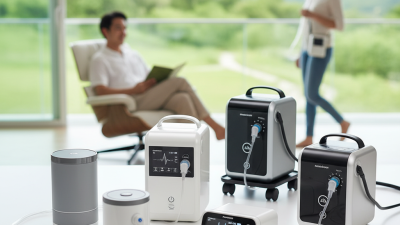
On the other hand, portable oxygen concentrators cater to patients who need mobility and flexibility in their oxygen therapy. They are smaller, lightweight, and often battery-operated, allowing users to move freely without the constraints of a tethered device. Portable models come with features like pulse dose delivery, which conserves oxygen while still meeting the user's needs during activities. These concentrators enable users to maintain an active lifestyle, making it easier to travel, socialize, or engage in outdoor activities. Understanding the distinct advantages of each type is essential for making an informed decision that aligns with personal health requirements and lifestyle preferences.
Top 10 Tips for Choosing the Best Oxygen Concentrator Machine
| Tip Number |
Tip |
Description |
Type |
| 1 |
Assess Your Oxygen Needs |
Consult a healthcare provider to determine your oxygen flow rate requirements. |
Both |
| 2 |
Consider Portability |
Look for lightweight and compact models if you travel frequently. |
Portable |
| 3 |
Check Battery Life |
Ensure that portable models have sufficient battery life for your needs. |
Portable |
| 4 |
Noise Level |
Consider units with lower noise output for a better home environment. |
Home |
| 5 |
Maintenance and Service |
Select models that offer easy maintenance and good service options. |
Both |
| 6 |
Consider Flow Rate Options |
Choose concentrators that can deliver the flow rate you need for your oxygen therapy. |
Both |
| 7 |
Warranty and Guarantee |
Check for warranties or satisfaction guarantees for added peace of mind. |
Both |
| 8 |
User-Friendly Features |
Look for intuitive controls and user-friendly designs to enhance ease of use. |
Both |
| 9 |
Size and Weight |
Consider the physical dimensions and weight, especially for portable models. |
Portable |
| 10 |
Budget Considerations |
Establish a budget but consider that higher quality may justify higher costs. |
Both |
Assessing Your Oxygen Needs: How to Determine Flow Rate Requirements
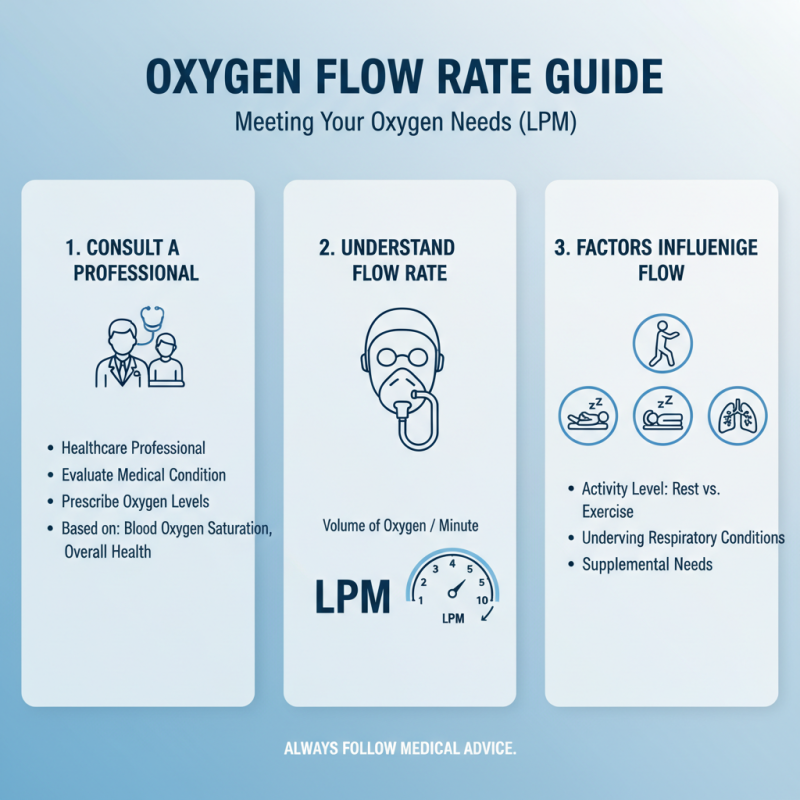
Determining the appropriate flow rate for an oxygen concentrator is crucial to effectively meet your specific oxygen needs. Flow rate refers to the volume of oxygen delivered per minute and is typically measured in liters per minute (LPM). To assess your requirements, you should begin by consulting with a healthcare professional who can evaluate your medical condition and prescribe the necessary oxygen levels based on your blood oxygen saturation levels and overall health status. Factors such as your activity level, whether you seek supplemental oxygen while at rest or during exercise, and any underlying respiratory conditions can significantly influence flow rate recommendations.
Once you have a clear understanding of your oxygen needs, consider how these requirements might change throughout the day. For instance, you may need a higher flow rate when engaging in physical activities compared to when you are at rest. It’s essential to choose an oxygen concentrator that can accommodate variable flow rates to adapt to these different settings. Additionally, pay attention to features such as pulse dose versus continuous flow options, as these can affect how seamlessly the device meets your varying requirements. Taking the time to thoroughly assess your oxygen needs ensures that you select the best equipment for your well-being and quality of life.
Evaluating Noise Levels: Importance of Silence in Oxygen Therapy
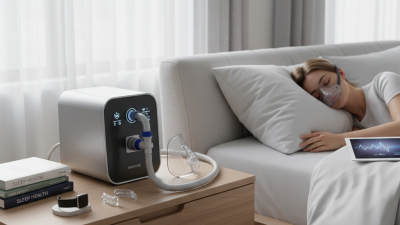
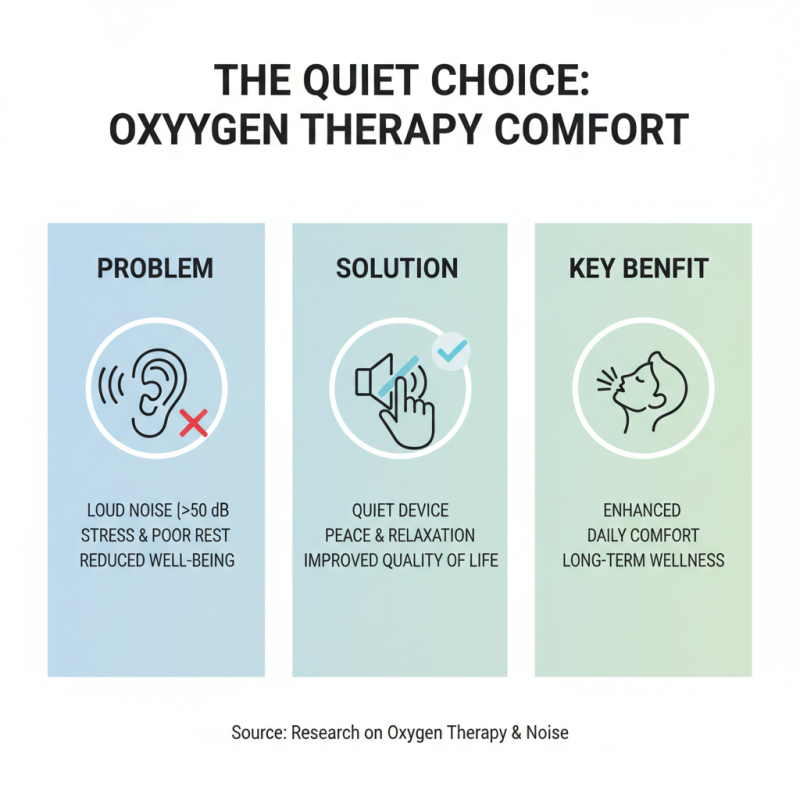
When selecting an oxygen concentrator, evaluating noise levels is crucial, especially for individuals requiring long-term oxygen therapy. Many users fail to recognize that a quiet device can significantly enhance their quality of life. Research indicates that exposure to high noise levels, often above 50 decibels, can lead to increased stress and hinder relaxation during therapy sessions. Therefore, selecting a concentrator that operates quietly can make a significant difference in daily comfort and overall well-being.
Tip 1: Look for oxygen concentrators with noise ratings below 40 decibels, which is roughly equivalent to a library's quiet atmosphere. This ensures that your therapy sessions are not disruptive to your daily activities or sleep patterns.
Additionally, consider the importance of ambient noise levels in your living environment. For example, a study published by the American Journal of Respiratory and Critical Care Medicine highlights that lower ambient noise can enhance respiratory function during therapy. Thus, an oxygen concentrator that minimizes operational noise can create a more serene environment conducive to healing and relaxation.
Tip 2: Test the concentrator in person when possible or check online reviews focusing on noise levels. Many users often overlook this aspect, but prioritizing a quieter machine can greatly facilitate better adherence to oxygen therapy.
As you weigh your options, understanding the implications of noise on therapy can guide you to a more effective solution tailored to your needs. Balancing your health requirements with a comfortable and quiet experience is pivotal in your oxygen therapy journey.
Budgeting for Your Oxygen Concentrator: Hidden Costs and Long-Term Expenses
When budgeting for an oxygen concentrator, it's crucial to consider not only the upfront cost but also the hidden costs and long-term expenses associated with its use. According to industry reports, the average cost of a home oxygen concentrator can range from $2,000 to $3,500, but additional costs may arise over time. Maintenance, for example, can add up, especially if technicians must be called for servicing—a routine check can cost anywhere from $100 to $250. Additionally, filters and replacement parts might need to be replaced every 6 to 12 months, which can lead to further expenses.
One tip for managing costs is to look into warranty options. Many manufacturers offer extended warranties that cover parts and service, potentially saving you money in the long run. Another important consideration is your electricity bill; some models consume more power than others, contributing to higher utility costs. During your selection process, it could be beneficial to inquire about the energy efficiency of the models you are interested in, as certified devices can save substantial amounts on monthly expenses.
It's also essential to factor in additional accessories or supplies necessary for the unit's operation, like nasal cannulas and positioning aids, which may not be included in the initial purchase. According to recent studies, the total cost of ownership for an oxygen concentrator can exceed $5,000 over several years when these factors are accounted for, underscoring the importance of thorough budgeting before making a purchase decision.
Budgeting for Your Oxygen Concentrator: Hidden Costs and Long-Term Expenses