Top 10 Oxygen Concentrator Machines for Global Buyers?
In recent years, the demand for Oxygen Concentrator Machines has surged globally. According to a market research report by Grand View Research, the global oxygen concentrators market is expected to reach USD 5.3 billion by 2026. This growth is driven by rising respiratory diseases and an aging population. Industry expert Dr. Emily Carter stated, "The right oxygen concentrator can significantly improve patient quality of life."
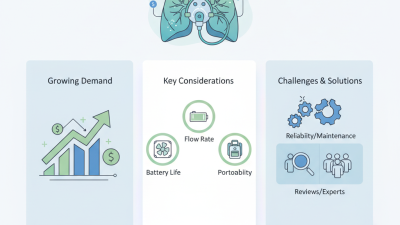
However, with numerous options available, selecting the optimal device can be daunting. Buyers need to consider factors like portability, flow rate, and energy efficiency. Some machines are designed for home use, while others cater to mobile needs. The lack of uniform standards can also lead to confusion among consumers. It's essential to focus on reliability and performance when choosing an Oxygen Concentrator Machine.
Despite advancements, there are still challenges in the industry. Not all products meet high-quality standards, and maintenance can be an issue. Understanding these concerns is key for buyers. With informed choices and careful research, obtaining the best oxygen concentrator is achievable, ensuring efficacy for those in need.
Overview of Oxygen Concentrator Machines in the Global Market
The global market for oxygen concentrator machines has been expanding steadily, driven by rising respiratory ailments and a growing aging population. According to industry reports, the oxygen concentrator market was valued at approximately $2.4 billion in 2023, with projections to reach about $4 billion by 2030. This growth indicates a significant demand for devices that provide life-saving oxygen therapy, reflecting an increasing awareness of chronic respiratory diseases.
In regions hit hard by environmental issues, the need for reliable oxygen supply remains critical. A common concern is the inaccessibility of high-quality medical oxygen in rural areas. This gap often forces patients to rely on substandard alternatives. Although portable models are gaining popularity, their affordability can be a challenge. The average price point limits access for many individuals who need these vital devices. Furthermore, ongoing technological advancements have raised expectations for efficiency, yet many products fall short of their claims.
Market trends also highlight the importance of sustainable practices. Patients are calling for eco-friendly solutions, but the industry often lags. Only a fraction of manufacturers have adopted greener technologies. Continuous innovation is necessary to meet these expectations while ensuring affordability. Various stakeholders must recognize these issues to reshape the market landscape. Addressing both quality and accessibility will be key for the future of oxygen concentrators.
Key Features to Consider When Choosing an Oxygen Concentrator
When selecting an oxygen concentrator, it's crucial to consider multiple features that enhance usability and efficacy. A report by the World Health Organization indicates that proper oxygen therapy significantly improves quality of life for patients with respiratory conditions. Key factors include flow rate, which typically ranges from 1 to 10 liters per minute. Higher flow rates are essential for patients with severe conditions. Pay close attention to the machine's liter per minute capability to ensure it meets your needs.
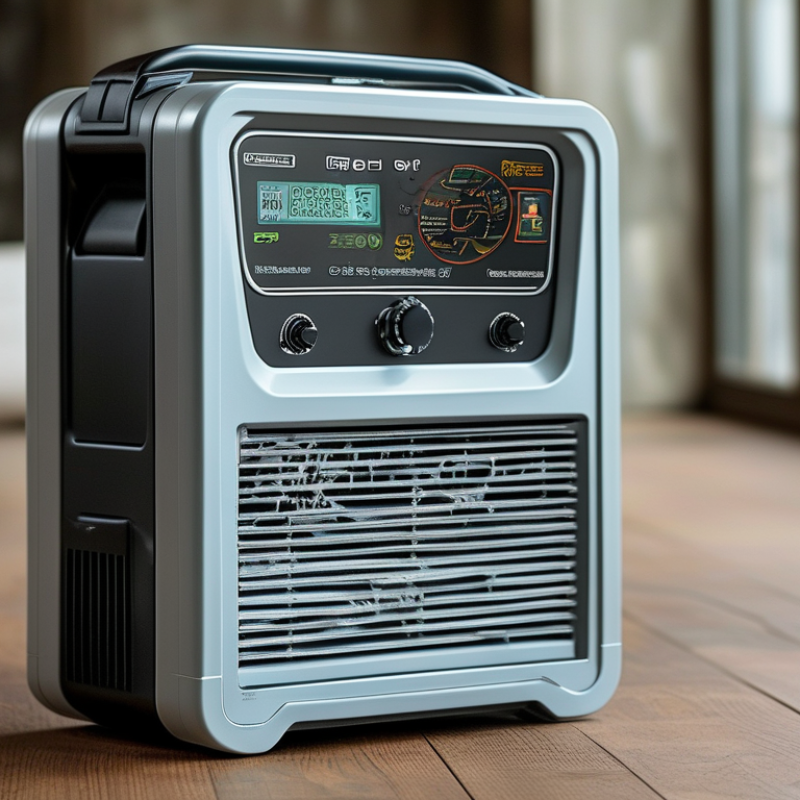
Portability is another important feature. Many models weigh between 10 to 30 pounds. Lightweight options facilitate travel for patients who require oxygen therapy on the go. Additionally, battery life should not be overlooked. Some machines offer 3-5 hours, making them suitable for outings. Noise levels also matter. Devices emitting sounds above 40 decibels can disrupt daily life and sleep patterns.
Not all units have user-friendly interfaces. Choose models with clear displays and intuitive buttons, ensuring easy operation even in a panic. Regular maintenance is necessary. Filters should be changed regularly to maintain performance, and potential breakdowns need consideration. Overall, understanding these features gives buyers the tools to make informed choices.
Top 10 Oxygen Concentrator Machines: A Comparative Analysis
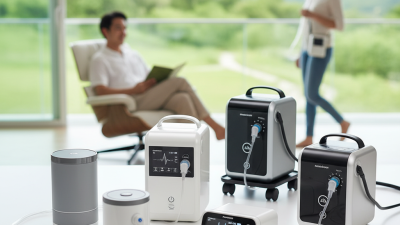
In the field of respiratory health, oxygen concentrator machines play a vital role. These devices provide a steady supply of oxygen, which is essential for individuals who struggle with breathing. When choosing an oxygen concentrator, it's crucial to evaluate several features, such as portability, flow rate, and battery life. Many users appreciate compact designs that allow easy transport while ensuring efficient oxygen delivery.
Comparative analysis reveals that not every oxygen concentrator meets the same standards. Some units can deliver oxygen at a higher flow rate but might lack portability. Others may be lightweight yet struggle with performance under continuous use. Finding the right balance can be challenging. User reviews often highlight the importance of comfort and ease of use. Features like intuitive control panels can enhance user experience.
While many options are available, it is essential to remain cautious. Some models may have unreliable performance or be difficult to maintain. It is wise to consult healthcare professionals before making a decision. They can offer insights based on individual needs and medical requirements. Thoughtful consideration of various factors can lead to a better choice in acquiring an effective oxygen concentrator.
User Reviews and Ratings of the Best Oxygen Concentrators
When selecting an oxygen concentrator, user reviews provide valuable insights. Many buyers emphasize the importance of portability. Compact models are often preferred for home use and travel. A lightweight design makes a significant difference in everyday life.
Users frequently mention noise levels. A quieter machine allows for better sleep and relaxation. Some models, however, can be quite loud, which frustrates many users. Additionally, concerns about durability arise. Several reviews indicate issues with long-term reliability, leading potential buyers to question their choices.
People also discuss ease of use. Intuitive controls are essential for those who may not be tech-savvy. Some users appreciate user-friendly displays, while others find the settings confusing. Warnings about maintenance are common in reviews. Regular upkeep is necessary for optimal performance, yet many neglect this, leading to dissatisfaction. As a result, it is essential to consider these aspects and weigh them against your specific needs for the best decision.
Future Trends in Oxygen Concentrator Technology and Market Demand
The demand for oxygen concentrators is changing. As healthcare needs evolve, new technologies emerge. Many manufacturers are now focusing on portability and user-friendly designs. This shift makes these devices more accessible to patients at home. Lightweight models are becoming popular for people with respiratory conditions.
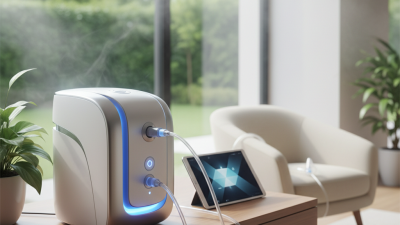
Innovation is also leading to smarter devices. Integration with apps offers real-time monitoring. Users can track oxygen levels and device performance directly from their smartphones. These features increase patient engagement and ensure safety. However, there are still challenges. Not all models provide consistent oxygen purity. Users must be aware of these variances when choosing a device.
Sustainability is another focus area. Companies are exploring eco-friendly materials for production. This trend aligns with global efforts to reduce environmental impact. While progress is made, there is room for improvement in device efficiency. Manufacturers must consider long-term usability and reliability as they innovate. The future of oxygen concentrators looks promising, but careful consideration is essential.