Top 5 Oxygen Concentrators for Home Use in 2026?
In the quest for improved health, many individuals are turning to the Oxygen Concentrator. This device offers vital support for those with respiratory issues. A well-designed concentrator can greatly enhance daily life at home.
Choosing the right model is crucial. Factors like portability, noise level, and oxygen output matter greatly. Some models stand out in 2026, showcasing advanced technology and user-friendly features. For many, an Oxygen Concentrator is not just a device; it’s a lifeline.
Consider the specific needs before making a choice. Not all units are created equal. It's important to reflect on aspects like maintenance and durability. The best choices combine effectiveness with comfort. A well-chosen Oxygen Concentrator can truly transform circumstances for users.
Top 5 Oxygen Concentrators for Home Use in 2026
Choosing an oxygen concentrator for home use can feel overwhelming. With many options available, it’s essential to understand various features. Portable models are growing in popularity. Their lightweight design allows for easy transport around the house. However, users should consider battery life. A short battery may not meet daily needs.
Noise levels can be another concern. Some models operate quietly, while others can be quite disruptive. This is something to think about if you use the concentrator while sleeping. A quieter option may improve rest. In addition, filters require regular maintenance. Neglecting this can affect the device's efficiency.
Price is also a critical factor. High-end models often have advanced features. But the basic functionalities of lower-priced options can be sufficient for many users. It's essential to reflect on personal needs versus budget. Researching specifications is vital. The best choice varies for everyone, and this can add to the confusion.
Overview of Oxygen Concentrators and Their Importance for Home Use
Oxygen concentrators are vital for those with respiratory conditions. They provide a continuous flow of oxygen, improving quality of life. According to recent studies, around 15 million Americans struggle with chronic obstructive pulmonary disease (COPD). Many of these individuals require supplemental oxygen at home. The demand for oxygen concentrators has surged as awareness of respiratory health grows.
Home use of oxygen concentrators offers numerous advantages. They are more portable than traditional oxygen tanks. Most devices have user-friendly interfaces, making them accessible to a broad audience. A report from the National Institutes of Health highlights that effective oxygen therapy can increase mobility and enhance daily activities. It's important to note that not all devices are efficient. Some low-quality units can be heavy and noisy, which may deter users.
Oxygen concentrators reduce the need for refills. This convenience is essential for individuals with limited mobility. A survey indicated that many users prefer devices with a noise level below 40 decibels to ensure comfort. However, clinical data suggests that these choices often come with trade-offs, such as reduced oxygen flow rates. Ensuring the right oxygen concentrator fit for individual needs requires careful consideration and ongoing assessment.
Criteria for Selecting the Best Oxygen Concentrators for Home Use
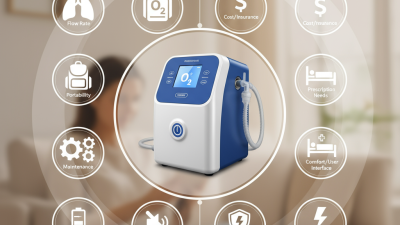
When choosing an oxygen concentrator for home use, several criteria come into play. First, consider the flow rate. This refers to how much oxygen the device can deliver. A higher flow rate is beneficial for those with severe respiratory issues. Look for devices that adjust easily between settings. Operation simplicity matters too. Many users appreciate straightforward controls and clear displays.
Next, examine the noise level. Some concentrators can be quite loud, affecting everyday activities. A quieter model enhances comfort, especially during night-time use. You might want to check user reviews for insights on this aspect. Weight and portability also play roles in selecting a concentrator. A lightweight design is easier to move around, especially for those who need it in different rooms.
Lastly, think about maintenance. Regular cleaning is essential to keep oxygen flow optimal. Look for models with easy-to-clean filters. It’s easy to overlook this, but clean filters are vital for efficiency. Ultimately, maneuvering through these criteria can feel overwhelming. Take your time to research thoroughly. A little effort can lead to choosing the right device for your needs.
Detailed Review of the Top 5 Oxygen Concentrators for 2026
In 2026, selecting the right oxygen concentrator for home use is crucial. These devices provide essential support for those needing supplemental oxygen. The top models offer varying features that cater to different needs. Some are lightweight and portable, ideal for mobility. Others are more robust, designed for stationary use.
When reviewing these machines, consider their flow rates. Some concentrators have adjustable settings, allowing users to customize oxygen delivery. Noise level is another factor; quieter models make for a more pleasant home environment. Battery life varies significantly, impacting usability during power outages.
It’s important to recognize that not all devices are created equal. Users have reported difficulties with some models, such as maintenance challenges and reliability issues. Additionally, the initial cost can be a barrier, requiring thoughtful budgeting. Ultimately, finding a balance between features and usability is essential for better health management at home.
Comparison of Features, Prices, and Benefits of Each Oxygen Concentrator
When selecting an oxygen concentrator for home use, it’s essential to compare features and prices. The market offers various models, each with unique benefits. A recent industry report reveals that over 60% of patients prefer lightweight models due to easier mobility. These models typically weigh less than 5 kg, which enhances user convenience at home.
Pricing varies significantly across models. The average price for home oxygen concentrators ranges from $200 to $2,500. Factors influencing price include flow rate, battery life, and technology used. For instance, units with continuous flow systems have higher costs but provide a steady supply of oxygen. In contrast, pulse-dose systems can be more affordable while still meeting patient needs in many cases.
Additionally, features like noise levels should not be overlooked. Quiet units operate below 40 decibels, creating a more comfortable environment for sleep and relaxation. Many patients report that noise distractions impact their overall well-being. However, some budget-friendly options may sacrifice quieter operation for lower prices. Balancing cost and comfort is vital when making a decision.
Top 5 Oxygen Concentrators for Home Use in 2026
This chart compares the prices of the top 5 oxygen concentrators for home use in 2026. Prices vary across different models, indicating the range of features and technologies available.
Conclusion
In 2026, the use of Oxygen Concentrators at home has gained significant importance for individuals requiring supplemental oxygen therapy. This article presents an overview of the top five Oxygen Concentrators suitable for home use, highlighting their essential features and benefits.
When selecting the best Oxygen Concentrator, key criteria include flow rate, portability, noise level, and ease of use. A detailed review of each recommended device shows a comparison of their specifications, prices, and overall benefits. Additionally, user feedback plays a vital role in assessing their performance, ensuring that individuals can make informed decisions for optimal home oxygen therapy.