2026 Top Oxygen Generator Models for Home and Industrial Use?
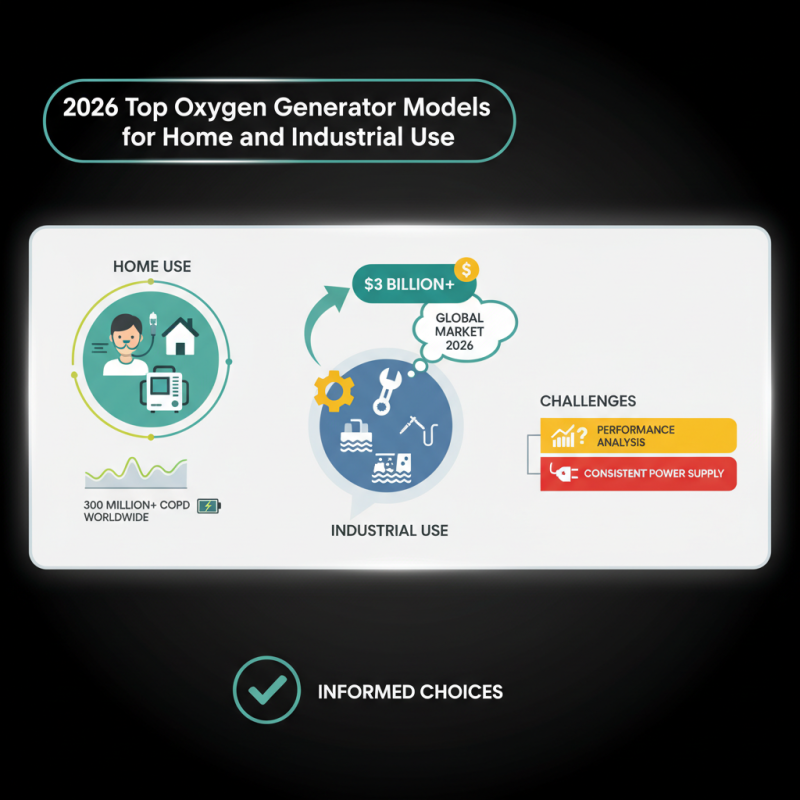
The demand for Oxygen Generators is surging in both homes and industries. Reports indicate that the global oxygen generator market is expected to exceed $3 billion by 2026. This substantial growth is driven by the increasing need for reliable oxygen supply in medical settings and the rise of air quality concerns in various environments.
In residential settings, portable oxygen generators are becoming essential for individuals with respiratory issues. Around 300 million people suffer from conditions like COPD worldwide. Industrial applications also require oxygen generators for processes such as welding and wastewater treatment. These machines are vital for maintaining efficiency and safety.
Despite advancements, choosing the right oxygen generator can be challenging. Many models lack adequate performance analysis, leaving users confused. Furthermore, the need for consistent power supply is often overlooked, leading to operational failures. Understanding these factors is critical for making informed choices in 2026.
2026 Trends in Oxygen Generator Technology for Home Applications
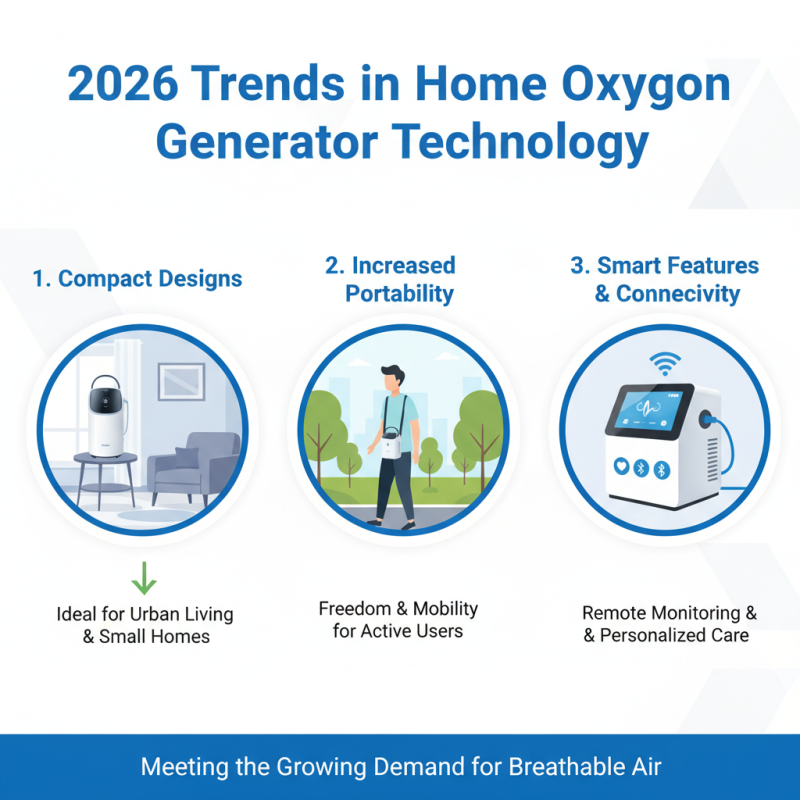
In 2026, home oxygen generators will experience significant advancements. With the rising demand for breathable air, technology will evolve to meet diverse needs. Compact designs will become more popular. They will fit seamlessly into small homes or apartments. This is a crucial factor for urban dwellers.
One noticeable trend is the increase in energy efficiency. New models will consume less power while delivering higher oxygen output. Users will benefit from lower energy bills. Enhanced features, such as smart connectivity, will allow remote monitoring. Users can adjust settings via their smartphones, adding convenience to daily life.
Regulatory standards will increase. Manufacturers must ensure safety and quality. This may lead to a more limited selection of models. There might be confusion over which products meet these new standards. As a consumer, it's vital to stay informed about certifications and technology changes. Considering these factors will help make better purchasing decisions.
Comparative Analysis of Oxygen Concentration Levels in Leading Models
Choosing the right oxygen generator can be challenging. There are various models available for both home and industrial use. Each model has distinct oxygen concentration levels, affecting their overall performance.
For home use, consider models with adjustable oxygen settings. These often provide 90% to 95% oxygen concentration. It's crucial for users with respiratory issues. However, some models may struggle to maintain consistent levels, leading to fluctuations. Analyzing these variations can be key to effective usage.
In industrial settings, oxygen generators must deliver higher concentrations continuously. Many models achieve above 90%, but their efficiency may decline under heavy use. Regular monitoring helps ensure the oxygen levels remain adequate. This is important for safety and productivity.
Tips: Always check the specifications before purchasing. Look for feedback on consistency in oxygen output. Regular maintenance can enhance the lifespan and performance of your generator.
Efficiency Ratings and Power Consumption of Top Industrial Oxygen Generators
When selecting oxygen generators for home and industrial use, efficiency ratings and power consumption are crucial. Industrial oxygen generators often range from 10 to 300 liters per minute. The efficiency rating indicates how effectively the generator converts electricity into oxygen output. A report from the International Journal of Energy Research suggests that well-designed models can achieve an efficiency of about 90% or higher.
Power consumption varies significantly among models. For instance, some larger industrial units may consume up to 15 kWh for every 1,000 liters produced. This can lead to high operational costs. Smaller home units tend to be more energy-efficient, often using as little as 0.3 kWh for similar outputs. Yet, the initial investment for home units may not always justify the lower electricity costs.
Many users overlook maintenance needs. Regular upkeep can influence efficiency. Neglecting filters or general wear may cause inefficiencies that lead to increased power consumption. It’s essential to balance long-term operational savings against maintenance requirements. In an ideal scenario, a generator should perform efficiently without frequent breakdowns. However, real-world applications often reveal flaws that demand reconsideration.
User Feedback and Reliability Ratings for Home Oxygen Generators
When selecting an oxygen generator for home use, user feedback plays a crucial role. Many users express their satisfaction with the oxygen delivery systems that are portable and easy to operate. They appreciate compact designs that fit easily in small spaces, but some note limitations in tank capacity. Reliability ratings indicate that consistent performance is vital for those with medical needs. Users want machines that reliably deliver oxygen, regardless of usage frequency.
In contrast, feedback for industrial oxygen generators highlights durability and efficiency. Many industrial users report that larger units perform exceptionally well under high demand. However, they also mention occasional maintenance challenges. Some report unexpected downtimes, which can be a significant issue in production settings. Users emphasize the importance of robust customer support for resolving these issues quickly.
It’s essential to consider the balance between cost and reliability. While cheaper models may seem appealing, they often lack longevity. Users explain that investing in a reliable model, even at a higher price, leads to better long-term satisfaction. Personal experiences reveal that sometimes, newer models aren't as dependable, leaving users frustrated. The learning curve can be steep, and it’s important to reflect on individual needs before making a decision.
Environmental Impact and Sustainability of Oxygen Generators in 2026
In 2026, oxygen generators play a crucial role in both home and industrial settings. They provide essential oxygen for various applications, but their environmental impact warrants attention. Many models now use advanced technology to improve efficiency. However, energy consumption remains a significant concern. These machines often consume large amounts of electricity, which can lead to a higher carbon footprint.
The materials used in construction also come under scrutiny. Plastic components can contribute to pollution if not recycled properly. Some generators lack clear guidelines for disposal. This raises questions about their long-term sustainability. Users need to reflect on their choices. Choosing a model that prioritizes eco-friendly materials can help mitigate environmental harm.
Moreover, the lifespan of oxygen generators varies greatly. Models that need frequent replacements can increase waste. It’s essential for consumers to consider maintenance as well. Regular upkeep can prolong the life of these machines. Investing time in understanding proper care methods is often overlooked. The pursuit of cleaner technology must go hand in hand with responsible usage and maintenance.