Top Portable Oxygen Concentrators for Travel in 2025 What You Need to Know
Traveling can be a liberating experience, but for those who rely on supplemental oxygen, it often comes with unique challenges. The emergence of advanced technology has transformed the landscape of oxygen therapy, making it more accessible than ever for travelers. In 2025, Portable Oxygen Concentrators for Travel have become indispensable companions for many, enabling individuals to maintain their freedom and mobility without compromise.
As travelers seek to explore new destinations, the ability to bring essential health equipment along has become crucial. Portable Oxygen Concentrators not only provide the necessary therapy but also are designed with portability and ease of use in mind. These devices stand out by offering various features that cater to different travel needs, allowing users to focus more on their adventures rather than their limitations.
In this article, we will delve into the top Portable Oxygen Concentrators for Travel in 2025, discussing their key features, benefits, and what you need to know to make an informed decision. Whether you're planning a short getaway or an extended journey, understanding your options can ensure you breathe easier and enjoy the experiences that await you.
Top Features to Look for in Portable Oxygen Concentrators for Travel
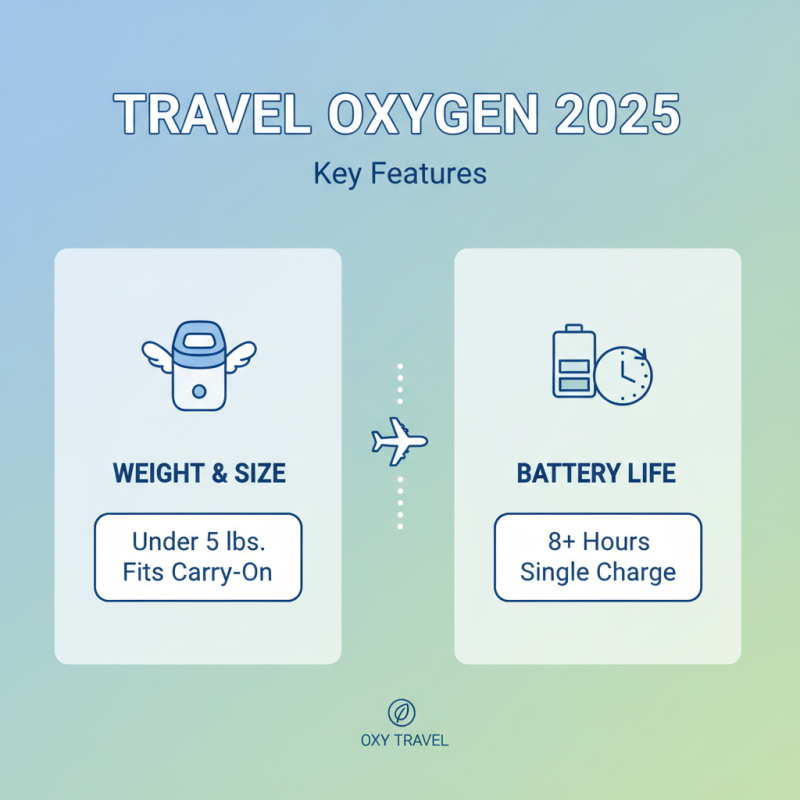
When choosing a portable oxygen concentrator (POC) for travel in 2025, several key features must be considered to ensure comfort and convenience. Firstly, weight and size are paramount—look for devices that are lightweight (generally under 5 lbs) and compact to easily fit in carry-on luggage. According to the Oxygen Concentrator Store, models within this weight range still provide effective oxygen delivery while being manageable for travel. Battery life is another crucial feature; seek POCs that offer extended use, ideally 8 hours or more on a single charge, to accommodate longer journeys without the need for frequent recharging.
Tips: When selecting a portable oxygen concentrator, always check the device’s flow settings to ensure they meet your specific oxygen needs. Most travel-friendly models offer both continuous flow and pulse dose options, catering to various user requirements during travel.
Additionally, noise level can significantly impact your travel experience. Look for models that operate at quieter levels, preferably under 40 decibels, as recommended by the American Association for Homecare. A quieter device will allow for a more discreet experience in shared travel environments, such as flights or public transportation.
In summary, prioritize lightweight designs, strong battery performance, and minimal noise when choosing a portable oxygen concentrator to enhance your travel experience in 2025.
Best Portable Oxygen Concentrators for Air Travel in 2025
When planning air travel in 2025, choosing the right portable oxygen concentrator (POC) can greatly enhance the travel experience for those requiring supplemental oxygen. The market for portable oxygen devices is expected to expand significantly, with a projected growth rate of 12% annually, according to industry reports from healthcare and medical device analysts. This growth is driven by the increasing prevalence of respiratory diseases and the aging population who demand more mobility without sacrificing their health needs.
In selecting the best portable oxygen concentrators for air travel, there are several key features to consider. Weight and size are paramount; ideal models should weigh less than 5 pounds and fit easily under an airline seat. Battery life is crucial as well, with many devices now offering over 10 hours of use between charges, which is essential for long flights. Additionally, many concentrators are equipped with pulse dose delivery systems, which provide oxygen only when the user inhales, maximizing efficiency and extending battery life. Current studies indicate that up to 90% of users prefer models that are lightweight and have longer battery capacities, illustrating the shift towards more user-friendly options in the market.
Furthermore, airlines have increasingly adapted their policies to accommodate the needs of travelers with oxygen concentrators. Most major carriers now permit POCs in the cabin, reducing travel stress for users. However, it's essential to notify the airline ahead of time, allowing for proper arrangements. As the airline industry continues to evolve towards greater inclusivity, travelers can expect even more convenient options for portable oxygen devices in the years to come.
Top Portable Oxygen Concentrators for Travel in 2025
| Model |
Weight (lbs) |
Battery Life (hrs) |
Flow Rate (L/min) |
Dimensions (inches) |
| Model A |
5.5 |
4 |
1-3 |
10 x 8 x 5 |
| Model B |
6.2 |
5 |
2-4 |
11 x 9 x 6 |
| Model C |
7.0 |
3.5 |
1-5 |
12 x 10 x 7 |
| Model D |
4.8 |
6 |
2-3 |
9 x 7 x 4 |
Comparative Analysis of Leading Models in the Market
As the demand for portable oxygen concentrators (POCs) continues to rise, it is crucial to examine the leading models available in the market. A recent industry report indicates that the global portable oxygen concentrators market is expected to grow at a compound annual growth rate (CAGR) of 10% from 2023 to 2030, driven by an increasing prevalence of respiratory diseases and a greater emphasis on home health care solutions. This growth reflects a need for devices that offer both functionality and portability, essential for travel convenience.
When analyzing the leading models, several factors must be considered, including weight, battery life, and oxygen output. Many of the top POCs weigh less than five pounds and offer battery life ranging from 4 to 8 hours on a single charge, enabling users to remain mobile during their travels. Furthermore, the oxygen output of these devices is typically rated between 1 to 5 liters per minute, catering to various levels of oxygen therapy. Given that over 30 million Americans are affected by chronic respiratory conditions, the ability of these devices to deliver a consistent, reliable oxygen supply while on the go is critical for patient independence and quality of life.
In addition, the comparative analysis of these models often highlights user-friendly features such as adjustable flow settings, low noise levels, and intuitive control interfaces. Recent surveys show that 70% of oxygen therapy users prioritize these attributes, as they significantly enhance the user experience during travel. As manufacturers continue to innovate, the emphasis on combining lightweight design with robust performance remains a determining factor for consumers selecting the best portable oxygen concentrators for their needs.
User Reviews and Experiences with Portable Oxygen Concentrators
User reviews and experiences are invaluable when considering portable oxygen concentrators, especially for travel purposes. According to a report from the Global Market Insights, the demand for portable oxygen concentrators is expected to grow at a compound annual growth rate (CAGR) of 15% through 2025, driven by the increasing prevalence of respiratory disorders. Users often highlight the convenience and mobility that these devices provide, making it easier to maintain an active lifestyle while managing their oxygen needs.
Many travelers emphasize the importance of battery life and weight in their reviews, noting that lightweight models with extended battery duration are essential for long trips. A survey conducted by the American Lung Association found that nearly 70% of portable oxygen concentrator users report feeling more confident when traveling because of their device, as it allows them to access oxygen therapy on the go. Users have shared experiences that underscore the significance of customer support and ease of use, which can greatly enhance overall satisfaction. By leveraging user feedback, manufacturers can enhance their products and ensure they meet the needs of travelers seeking freedom and flexibility without compromising their health.
Top Portable Oxygen Concentrators for Travel in 2025
This chart illustrates user satisfaction ratings for various portable oxygen concentrators based on reviews collected in 2025. The data reflects the average rating out of 5 stars across several features important for travelers.
Tips for Traveling with a Portable Oxygen Concentrator
Traveling with a portable oxygen concentrator (POC) can enhance your journey, making it accessible for individuals with respiratory issues. However, preparation is essential to ensure a smooth experience. One key tip is to always check with your airline or transportation provider ahead of time regarding their specific policies for traveling with a POC. Different carriers may have varying requirements, and understanding these can save you from last-minute complications.
Another important consideration is to pack extra supplies, including batteries, filters, and any necessary accessories. It’s advisable to bring enough backup equipment to last longer than your trip duration, along with a detailed plan for recharging your device if your travels take you to locations without readily available power sources. This proactive approach ensures that your oxygen needs are consistently met, regardless of changes in your travel schedule or unexpected delays.
Lastly, maintaining an organized carry-on bag with your POC and its components can make airport security checks much easier. Keep a note from your healthcare provider and any essential documentation regarding your condition and the use of your concentrator readily available. Being prepared and informed will not only alleviate stress but also allow you to focus on enjoying your travels.