Top 10 Sleep Apnea Devices You Need to Know About?
Sleep apnea is a serious condition affecting millions globally. Experts emphasize the importance of effective treatment methods. Dr. Jane Smith, a leading authority in sleep medicine, states, “Understanding sleep apnea devices can transform lives by improving sleep quality.”
In recent years, numerous sleep apnea devices have emerged. These tools range from CPAP machines to oral appliances. Each device has unique features and benefits, catering to diverse patient needs. However, not every device suits every individual. It's crucial to choose wisely based on personal comfort and medical advice.
Navigating the world of sleep apnea devices can be overwhelming. Evaluating options requires careful consideration of effectiveness and practicality. Patients often face challenges in adjusting to new devices. Finding the right fit is essential for long-term success. The journey to better sleep begins with informed choices.
Understanding Sleep Apnea and Its Impact on Health
Sleep apnea is a serious condition affecting millions worldwide. Research shows that approximately 22 million Americans suffer from this disorder. It can lead to severe health consequences, such as cardiovascular disease, diabetes, and depression. The impact of sleep apnea extends beyond disrupted sleep. It affects daily functioning and quality of life.
Symptoms can vary widely. Excessive daytime sleepiness is a common complaint. Many individuals find it challenging to concentrate or maintain energy throughout the day. According to the National Heart, Lung, and Blood Institute, untreated sleep apnea can increase the risk of stroke by up to four times. This statistic highlights the urgent need for effective management strategies.
Understanding the nuances of sleep apnea is crucial. Factors like obesity, age, and genetics play a significant role in its development. Even lifestyle choices, such as smoking and alcohol use, can exacerbate symptoms. This implies that not only patients but also healthcare providers must engage in thorough discussions about risk factors. Constant vigilance and proactive measures are vital to mitigate the health impacts of this condition.
Criteria for Selecting Effective Sleep Apnea Devices
When selecting effective sleep apnea devices, several criteria should be considered. Comfort is paramount. Many devices are worn during sleep. If they are uncomfortable, they may not be used consistently. Look for adjustable settings and breathable materials. These features can make a significant difference in comfort levels.
Another crucial aspect is the device's effectiveness in reducing apnea episodes. It is vital to check clinical studies or user testimonials. Devices should ideally show a proven track record in improving sleep quality. Reliable options often incorporate advanced technology for accurate monitoring of breathing patterns.
Tips for choosing the right device include trying it out before purchasing. Many retailers have flexible return policies. Take advantage of this to assess how the device feels while you sleep. Also, consult with a healthcare provider. They can offer insights based on your unique situation. What works for one person may not work for another.
Lastly, consider the device’s maintenance requirements. Some options need regular cleaning, which can be a hassle. Devices that are easy to clean and maintain are often more practical. Evaluate these factors carefully to find a suitable solution for your sleep apnea.
Overview of CPAP Machines: Features and Benefits
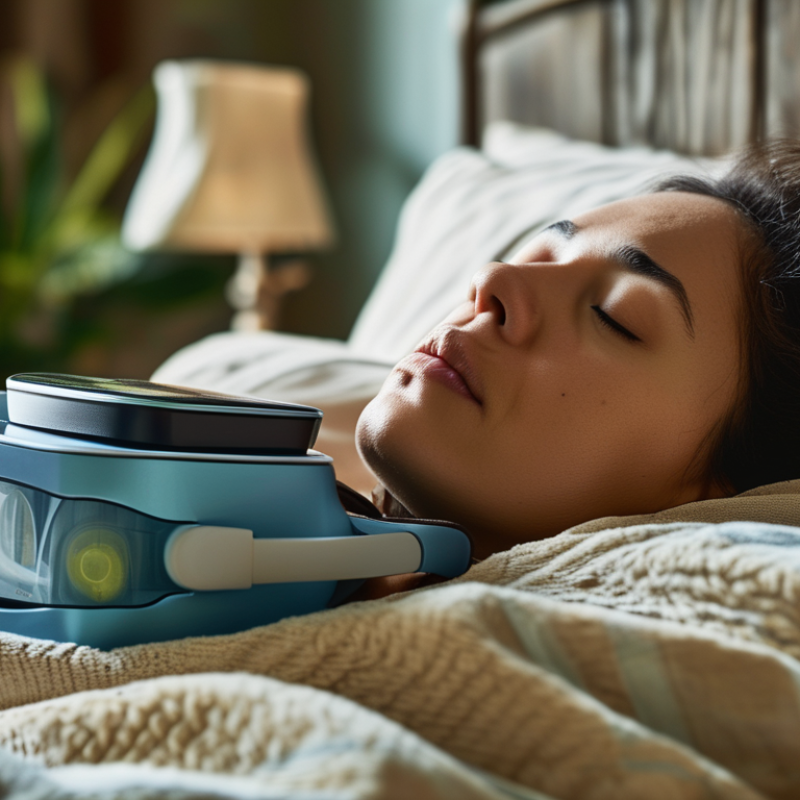
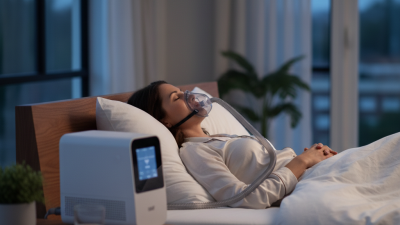
Continuous Positive Airway Pressure (CPAP) machines are critical for managing sleep apnea. They provide a steady airflow to keep the airway open during sleep. Studies show that CPAP therapy can reduce the risk of cardiovascular issues linked to sleep apnea by up to 30%. This therapy greatly improves sleep quality and daytime alertness.
CPAP machines come with various features tailored to user comfort. Humidification systems help reduce dryness. Advanced models offer auto-adjusting pressure settings, which adapt to the user’s needs throughout the night. According to the American Academy of Sleep Medicine, about 70% of patients experience significant symptom relief with proper CPAP usage. However, challenges remain. Many newcomers report difficulties adjusting to the device.
Device motivation is crucial for long-term adherence. Regular follow-up and monitoring can support users in overcoming initial discomfort. Data suggests that around 40% of patients abandon therapy within the first year. Continuous support and education about the benefits are essential for successful CPAP usage.
Exploring Alternative Treatments: Oral Appliances and More
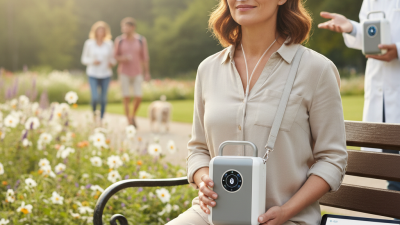
Sleep apnea is a serious sleep disorder that affects millions worldwide. For those unable to tolerate CPAP machines, alternative treatments are available. Oral appliances are among these options. Studies indicate that they can reduce symptoms in approximately 50% of patients. These devices reposition the jaw and tongue to keep the airway open during sleep.
Oral appliances offer advantages. They are often more comfortable and portable than CPAP machines. In many cases, users experience improved sleep quality. However, not all oral appliances are created equal. They require careful fitting by dental professionals. Clinical studies show that poorly fitted devices may lead to jaw pain or discomfort. It’s crucial to work with a qualified provider to find the right option.
Despite their benefits, oral appliances are not a universal solution. Some patients report limited effectiveness. Approximately 30% of users experience residual symptoms. Ongoing monitoring and adjustments may be needed for optimal results. Therefore, it is important to consider personal needs and preferences when exploring these alternatives. Regular follow-ups with healthcare specialists can enhance treatment success and overall sleep quality.
Future Innovations in Sleep Apnea Technology and Devices
Innovations in sleep apnea technology are rapidly evolving. In the United States, around 30 million adults have sleep apnea, making it a significant health concern. Recent studies indicate that new devices could improve diagnosis and treatment options. Wearable technology, such as smartwatches, is now being adapted for sleep apnea monitoring, showing promising results.
Researchers have begun exploring AI algorithms to predict sleep apnea events. These advancements may provide more tailored treatment plans. Studies estimate that integrating AI could decrease diagnosis time by up to 50%. Telemedicine is also transforming patient access to sleep specialists, streamlining the diagnosis process.
Tips: Consider maintaining a sleep diary to track patterns. This can provide valuable insights when discussing symptoms with your doctor. Ensure your sleep environment is conducive to rest. A dark, quiet room can enhance sleep quality, aiding in overall health.
Top 10 Sleep Apnea Devices You Need to Know About
| Device Name |
Type |
Features |
Price Range |
User Rating |
| Continuous Positive Airway Pressure (CPAP) |
CPAP Machine |
Auto-adjust pressure, quiet operation, heated humidifier |
$500 - $3,000 |
4.6/5 |
| Oral Appliance Therapy |
Mandibular Advancement Device |
Custom-fitted, improves airway space |
$1,200 - $2,500 |
4.3/5 |
| Bi-level Positive Airway Pressure (BiPAP) |
BiPAP Machine |
Adjusts for inhalation and exhalation pressure |
$1,000 - $4,000 |
4.5/5 |
| Positional Therapy Devices |
Positional Pillow |
Prevents back sleeping, comfortable design |
$50 - $150 |
4.2/5 |
| Adaptive Servo-Ventilation (ASV) |
ASV Machine |
Intelligent adjustment to treatment needs |
$2,000 - $6,000 |
4.7/5 |
| Oximetry Monitor |
Pulse Oximeter |
Monitors blood oxygen levels during sleep |
$30 - $200 |
4.4/5 |
| Smart Sleep Masks |
Sleep Mask |
Tracks sleep patterns, provides gentle alarms |
$50 - $150 |
4.3/5 |
| CPAP Integrated Pillow |
Pillow |
Designed for CPAP users, ergonomic support |
$80 - $200 |
4.6/5 |
| Noise Reduction Devices |
Sleep Sound Machine |
Soothing sounds for better sleep quality |
$50 - $150 |
4.5/5 |
| Sleep Tracking Wearables |
Fitness Tracker |
Tracks sleep duration and quality |
$50 - $300 |
4.4/5 |