Top Sleep Apnea Machines at 2026 Canton Fair What to Know?
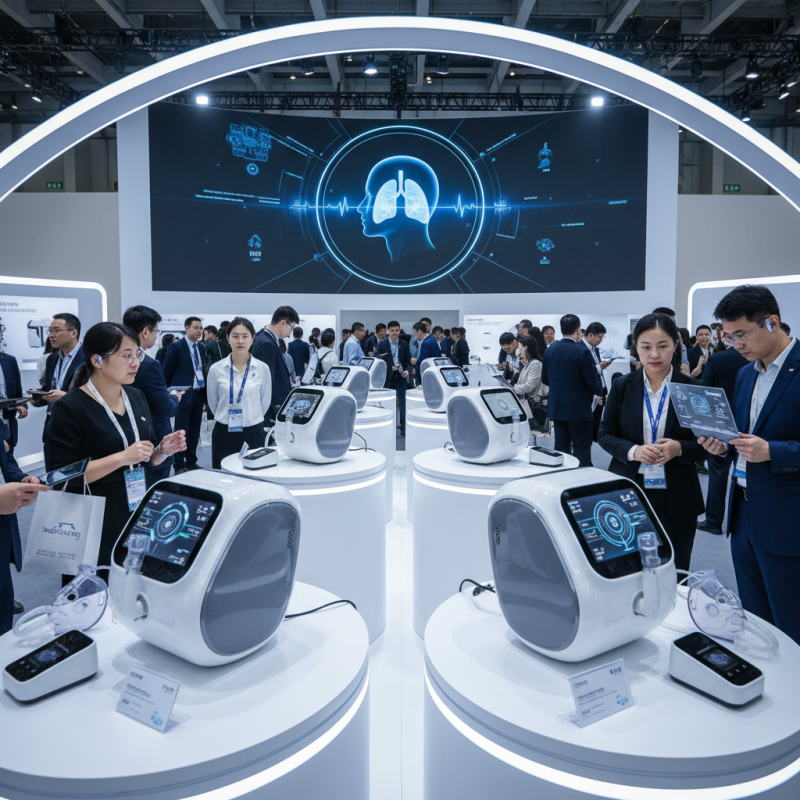
The upcoming 2026 Canton Fair is set to showcase innovative technology, including advanced Sleep Apnea Machines. Experts like Dr. Emily Chen, a renowned sleep specialist, emphasize their importance: "A good Sleep Apnea Machine can drastically improve quality of life." With increasing awareness of sleep disorders, the demand for effective machines is rising.
At the Fair, attendees will find a range of models, each designed to cater to diverse needs. The introduction of AI technology will help buyers quickly connect with certified manufacturers. Features like ISO and CE certifications ensure the reliability of these devices.
Despite advancements, the Sleep Apnea Machine industry still faces challenges. Many machines may not suit every patient. Users must often endure a trial-and-error phase. Attending this year's Fair presents an opportunity to explore these innovations while engaging with leading brands and technology.
Overview of Sleep Apnea and Its Impact on Health
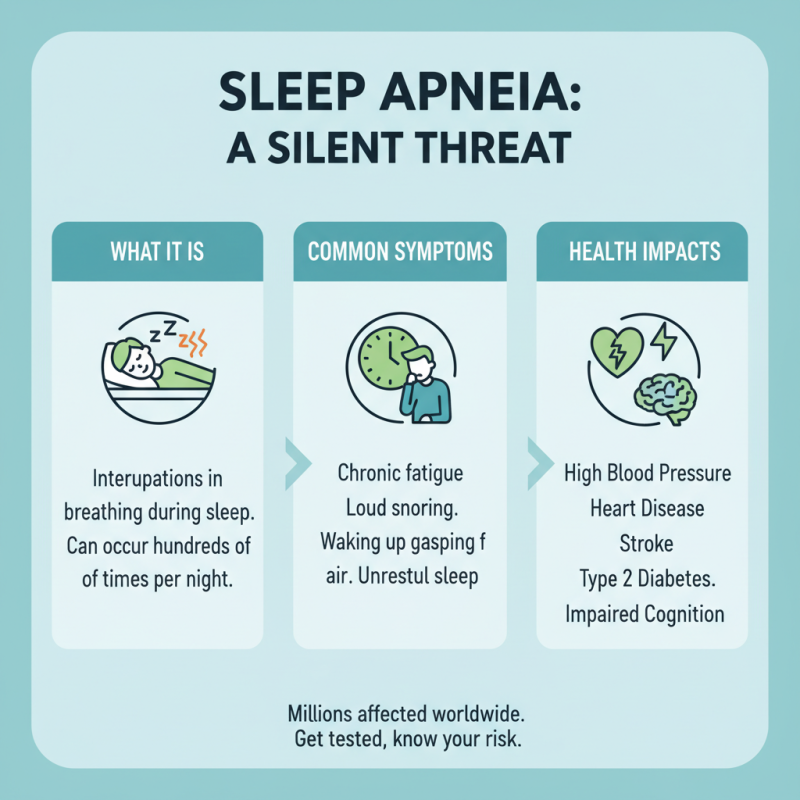
Sleep apnea is more common than many realize. It affects millions of people worldwide. This condition causes brief interruptions in breathing during sleep. These disruptions can happen hundreds of times a night. As a result, individuals often wake up feeling tired and unrested. Over time, sleep apnea can lead to serious health issues.
Health impacts can include high blood pressure and heart disease. People may also experience cognitive decline. Mood changes are also common. It’s not just the individual who suffers; families are affected, too. There may be stress and confusion. Many people don’t seek help, thinking it’s just snoring. This misconception can delay diagnosis and treatment.
Understanding sleep apnea is crucial. Lack of awareness contributes to its hidden nature. Many people might shrug it off. They might say, “I’m just tired.” The truth is, sleep apnea requires proper analysis. Sleep studies are vital for accurate diagnosis. Without addressing this condition, the quality of life may decline. It is essential to pay attention to these signs and seek professional guidance.
Types of Sleep Apnea Machines Available in 2026
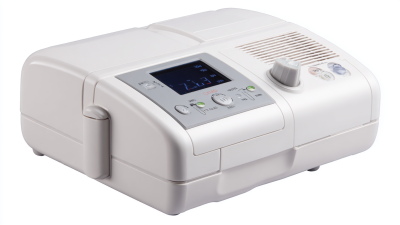
In 2026, the market for sleep apnea machines features several types designed to enhance user experience. Continuous Positive Airway Pressure (CPAP) machines remain the most popular choice. They use air pressure to keep the airway open during sleep. A recent report indicated that CPAP devices account for about 65% of the market share. Users appreciate their effectiveness, yet some report discomfort over time.
Bi-level Positive Airway Pressure (BiPAP) machines are another option. These devices provide varying pressure for inhalation and exhalation. According to industry data, BiPAP machines make up around 20% of the market. They are often recommended for patients with more complex conditions, but adjusting to them can be challenging.
Additionally, portable and travel-friendly devices have gained popularity. Many users seek convenience without sacrificing effectiveness. However, while these machines are lightweight, their functionality may not match traditional models. Hence, users face a tough decision when selecting a machine that fits their lifestyle needs. Each type of machine aims to improve sleep quality, yet individual preferences and comfort levels vary significantly.
Key Features to Consider When Choosing a Sleep Apnea Machine
Choosing a sleep apnea machine can be overwhelming. Key features are essential to ensure effective treatment. According to the American Academy of Sleep Medicine, nearly 30 million adults in the U.S. suffer from sleep apnea. Hence, selecting the right machine matters deeply for health.
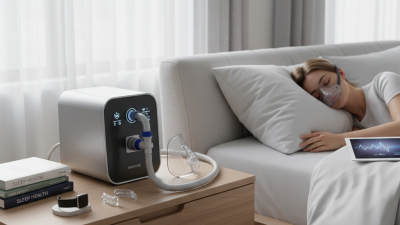
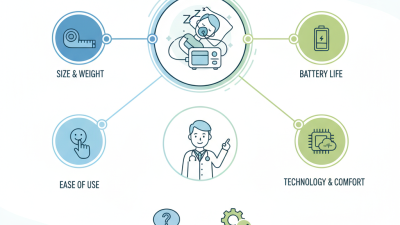
One major feature is device comfort. Machines should be lightweight and easy to use. Reports indicate that users prefer quieter models. Noise levels below 30 decibels are ideal for restful sleep. Another crucial aspect is adjustability. The ability to customize settings can significantly enhance compliance. A 2021 survey revealed that 70% of patients felt more satisfied with machines that allow personalized adjustments.
Most importantly, look for data tracking capabilities. Many modern machines offer this feature. It helps monitor usage patterns and effectiveness. Understanding progress is vital for long-term management. Yet, many users overlook this detail. It's important to reflect on these factors when choosing. Sleep health should be a priority for everyone affected.
Top Brands Showcased at the 2026 Canton Fair
The 2026 Canton Fair is a highlight for many industries, especially for sleep apnea machines. Various innovative brands are showcasing their latest technology. This event gathers manufacturers committed to improving sleep quality. Attendees can expect cutting-edge designs and user-friendly interfaces.
One standout feature is the emphasis on comfort. Many machines now come with adjustable settings. This makes it easier for users to find the right fit. However, not all designs are perfect. Some machines may be bulkier than expected. This can deter potential buyers looking for portability.
Another important aspect is customer feedback. Brands often rely on user experience to guide improvements. Some visitors may feel overwhelmed by the options available. It’s vital to take time to explore different models. Each brand brings unique features and benefits. However, not every machine is suitable for everyone. Finding the right fit can be a process of trial and error.
Consumer Feedback and Trends for Sleep Apnea Machines in 2026
As the 2026 Canton Fair approaches, interest in sleep apnea machines is growing. Consumers are sharing their experiences, highlighting important trends. Many users appreciate comfort and ease of use. They find it essential that devices minimize noise levels for a good night’s sleep. However, some still struggle with fitting issues. This suggests a need for better customization options.
Feedback reveals a shift towards technology integration. Users prefer machines that sync with mobile apps. This allows for tracking sleep patterns effectively. On the downside, some devices may be overly complex. Simplicity is key for those less tech-savvy. Ensuring intuitive designs will enhance user satisfaction.
Moreover, the importance of education is noted. Many consumers lack knowledge about sleep apnea treatment. Efforts to provide clear instructions would promote proper usage. Additionally, peer support groups can foster a sense of community. Sharing struggles may motivate better adherence to treatment plans. This human element remains crucial in an increasingly digital world.
Top Sleep Apnea Machines Consumer Feedback Trends in 2026