Top 10 Sleep Apnea Machines You Should Consider Today?
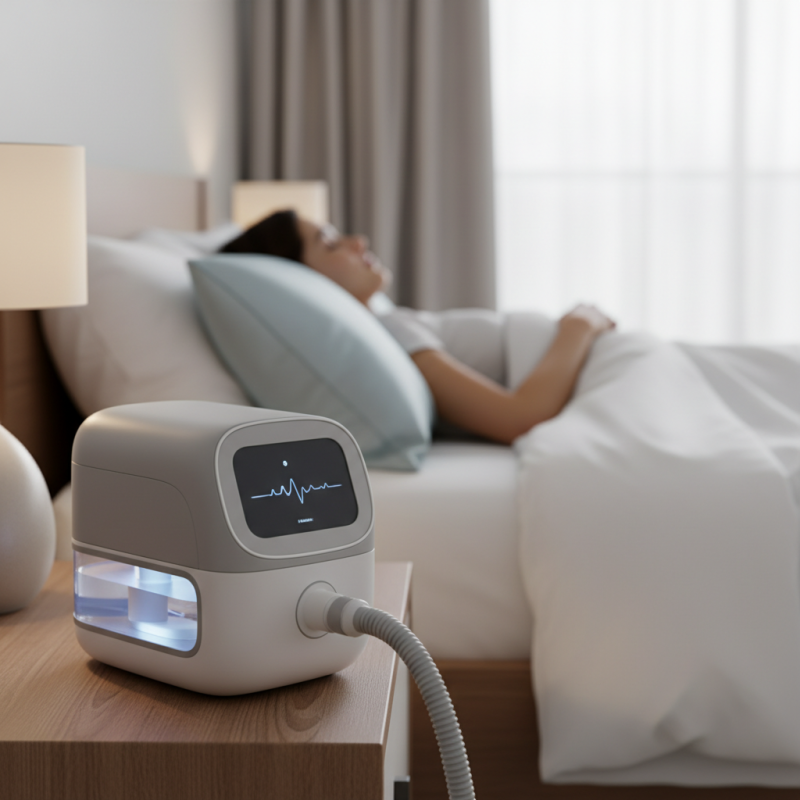
Sleep apnea is a serious health condition affecting millions worldwide. This disorder disrupts sleep patterns and can lead to severe health issues if left untreated. A Sleep Apnea Machine plays a crucial role in managing this condition. These machines provide continuous positive airway pressure (CPAP) therapy, helping individuals breathe more easily during sleep.
Choosing the right Sleep Apnea Machine can be overwhelming. The market is filled with various options, each promising different features and benefits. Some models are quieter, while others are more portable. The effectiveness of these machines can significantly improve sleep quality. However, not every machine will suit every user's needs.
When selecting a machine, it’s essential to consider your unique requirements and lifestyle. Consulting with a healthcare professional is a wise step. They can provide insights based on your sleep patterns and health history. Remember, finding the right Sleep Apnea Machine is a process of trial and error. You may need to reassess and adjust your choice as you learn more about what works best for you.
Top 10 Sleep Apnea Machines You Should Consider Today
When considering sleep apnea machines, it's vital to look beyond just comfort. The right device can significantly impact overall health. According to a study published by the American Academy of Sleep Medicine, untreated sleep apnea is linked to severe health issues, including cardiovascular diseases and diabetes. Finding a reliable machine can mitigate these risks and enhance well-being.
Each machine works differently. Some use continuous positive airway pressure (CPAP) technology, which can be particularly effective. Reports indicate that about 60% of users experience an improvement in sleep quality. Yet, some find it uncomfortable. Adjusting to the device may require patience and consistent use. User feedback often highlights the importance of fine-tuning settings to achieve optimal results.
The variety of available options can also feel overwhelming. New innovations continually emerge in the market. However, some machines may lack user-friendly designs. Thus, researching extensively is crucial, yet many still rush into choices without proper evaluation. Consider the features most relevant to individual needs, ensuring the selected machine aligns with lifestyle and comfort.
Top 10 Sleep Apnea Machines You Should Consider Today
| Rank |
Machine Type |
Key Features |
Price Range |
| 1 |
Continuous Positive Airway Pressure (CPAP) |
Quiet operation, customizable settings, humidifier compatible |
$350 - $800 |
| 2 |
Auto-Adjusting CPAP (APAP) |
Self-adjusting pressure, convenient and effective |
$450 - $900 |
| 3 |
BiPAP (Bi-level Positive Airway Pressure) |
Two pressure settings, beneficial for complex apnea |
$600 - $1,200 |
| 4 |
Oral Appliances |
Custom fit, portable, suitable for mild apnea |
$1,200 - $2,000 |
| 5 |
Adaptive Servo-Ventilation (ASV) |
Automatically adjusts pressure, ideal for central apnea |
$1,500 - $3,000 |
| 6 |
Travel CPAP Machines |
Compact design, lightweight, battery operated |
$300 - $600 |
| 7 |
Heated Humidifiers |
Reduces dryness, improves comfort |
$100 - $250 |
| 8 |
Smart CPAP Machines |
Wi-Fi connectivity, app integration, data tracking |
$500 - $1,000 |
| 9 |
Portable Oxygen Concentrators |
Lightweight, battery powered, suitable for travel |
$2,000 - $4,000 |
| 10 |
CPAP Cleaners |
Ultraviolet sanitation, easy to use |
$80 - $200 |
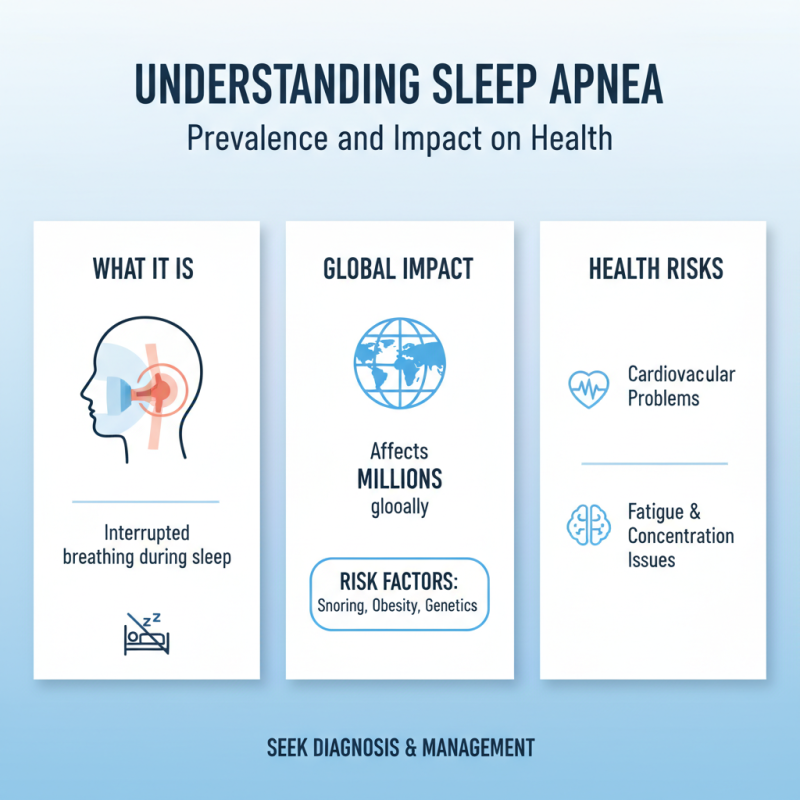
Understanding Sleep Apnea: Prevalence and Impact on Health
Sleep apnea affects millions globally. This disorder causes interrupted breathing during sleep. It is often linked to serious health risks, including cardiovascular problems. Individuals with sleep apnea may experience poor sleep quality. This can lead to daytime fatigue and concentration issues. Understanding its prevalence is crucial for effective management.
The impact of untreated sleep apnea can be profound. Many people are unaware they have it. Health consequences extend beyond tiredness. They can include high blood pressure, stroke, and diabetes. Identifying symptoms early can lead to better outcomes. Snoring loudly is a common sign, but not the only one. Episodes of gasping for air at night warrant attention. Seeking professional help for diagnosis is essential.
Awareness and education about sleep apnea can change lives. Despite this, many feel embarrassed to discuss sleep issues. This stigma may prevent timely intervention. It’s important to foster open conversations. Fear of judgment should not silence those seeking help. Knowledge and understanding are the first steps toward better sleep health.
Key Features to Look for in Sleep Apnea Machines
When choosing a sleep apnea machine, several key features are vital. Adjustable pressure settings are important. They allow personalized comfort and effective treatment. A machine that can adapt to your needs ensures better compliance and more restful nights. Opt for one with an automatic titration capability. This feature adjusts pressure automatically, based on your breathing patterns.
Noise level is another crucial aspect. A quieter machine contributes to a better sleep environment. Many machines offer a range of noise levels. Look for options labeled "whisper-quiet." Humidity control is often overlooked but essential. Machines with built-in humidifiers help prevent dryness and discomfort. This can significantly improve the overall experience.
Consider ease of use as well. A user-friendly interface and straightforward controls enhance the experience. Machines that are portable and lightweight add convenience. This is crucial for travel or temporary use. Regular maintenance preferences should also be discussed. Some models require less upkeep, which can be a relief for busy individuals. A mix of features tailored to personal needs can make a significant difference in managing sleep apnea effectively.
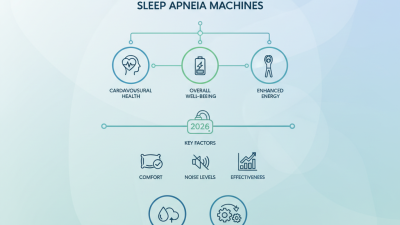
Top 10 Sleep Apnea Machines: Key Features Comparison
Comparison of CPAP, BiPAP, and APAP Machines
When exploring sleep apnea treatment options, three primary devices come into play: CPAP, BiPAP, and APAP machines. Continuous Positive Airway Pressure (CPAP) machines are among the most commonly prescribed devices. They deliver a steady stream of air to keep the airway open. According to the American Academy of Sleep Medicine, CPAP therapy effectively reduces apnea episodes by up to 80%.
BiPAP machines, or Bilevel Positive Airway Pressure devices, offer two pressure settings: one for inhalation and a lower level for exhalation. This setup can enhance comfort for patients with higher pressure needs. A study published in the Journal of Clinical Sleep Medicine highlights that BiPAP may be beneficial for those who struggle with CPAP due to discomfort.
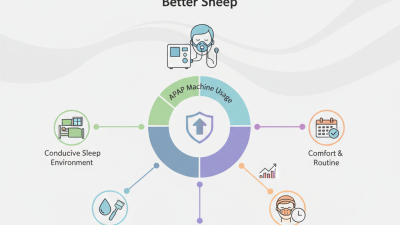
APAP, or Automatic Positive Airway Pressure, adjusts the air pressure throughout the night based on the patient's needs. A review in Sleep Medicine Reviews found that APAP can improve adherence to therapy due to its flexibility. Each machine has its nuances that may require a period of adjustment. Patients often report challenges in settling on the right pressure settings or machine type. Personal experience can vary significantly, underscoring the need for individualized treatment plans.
Review of the Top-Rated Sleep Apnea Machines in 2023
In 2023, sleep apnea continues to affect millions. An estimated 22 million Americans suffer from this condition. Proper management is essential for health. The right sleep apnea machine can greatly improve quality of life and overall health.
When choosing a machine, comfort and functionality are key. Many machines now come equipped with advanced technology. Features like automatic adjustments and built-in humidifiers enhance the user experience. However, not every device suits every user. Personal preferences and specific needs must be considered. A study suggests 40% of users stop using devices due to discomfort. This highlights the necessity for trial periods and evaluations.
While modern machines are effective, they can also feel overwhelming. Some users may find the options confusing. Inadequate education about settings can lead to suboptimal therapy. Experts recommend consulting healthcare providers to navigate choices. It’s crucial to understand each machine's unique features and limitations. Keep in mind that the perfect machine might not exist. Tailoring the choice to individual needs is vital for long-term success and adherence.
Conclusion
Sleep apnea is a widespread condition that can significantly affect an individual's health, leading to complications if left untreated. Understanding the prevalence and health impacts of sleep apnea is crucial when considering a Sleep Apnea Machine. This article outlines the key features to look for in these machines, including comfort, adjustability, and noise levels, which can influence user experience and overall effectiveness.
Furthermore, it compares different types of Sleep Apnea Machines, such as CPAP, BiPAP, and APAP, each tailored to meet varying patient needs. The review highlights the top-rated models in 2023, emphasizing user satisfaction and clinical outcomes based on recent data. By considering these factors, individuals can make informed decisions about the best Sleep Apnea Machine to improve their sleep quality and overall health.