Top 10 Telemedicine Monitors for Global Buyers in 2026?
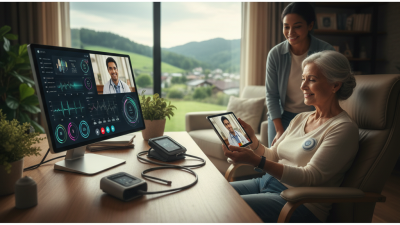
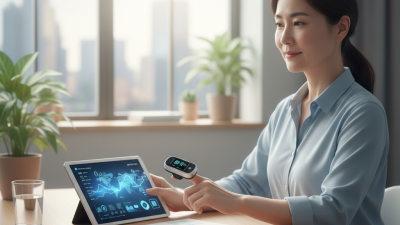
The rise of telemedicine has transformed healthcare access globally. Telemedicine monitors are crucial for remote patient care. These devices enable healthcare professionals to track vital signs, providing timely evaluations without physical visits.
In 2026, the demand for quality telemedicine monitors is expected to soar. Developing nations seek innovative solutions to enhance healthcare delivery amid constraints. Telemedicine monitors will play a key role in bridging gaps in medical access, particularly in rural areas. Innovative features, user-friendliness, and reliability will distinguish the best products in this competitive market.
However, challenges persist. Some telemedicine monitors offer limited functionality, prompting users to seek alternatives. Buyers must assess their needs carefully and avoid relying solely on brand reputation. Selecting a suitable telemedicine monitor requires understanding the technology's pros and cons. After all, informed choices drive better healthcare outcomes.
Emerging Trends in Telemedicine Monitor Technology for 2026
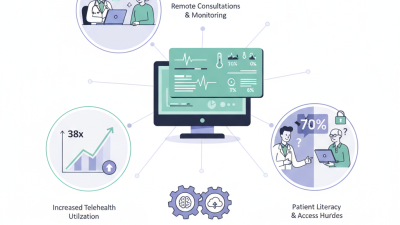
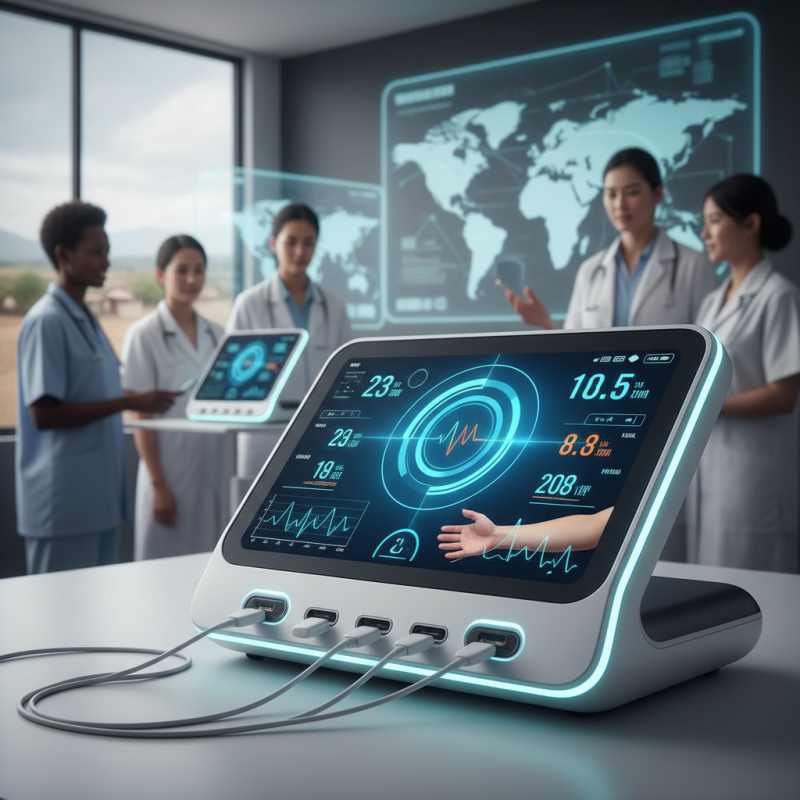
Telemedicine monitors are evolving rapidly. As we approach 2026, key trends focus on enhancing patient engagement and data accuracy. The global telemedicine market is expected to reach $459.8 billion by 2030, according to a report by Fortune Business Insights. This growth emphasizes the need for advanced monitoring tools.
One significant trend is the integration of artificial intelligence. AI algorithms improve real-time data analysis. This technology helps identify anomalies more quickly. In a study by McKinsey, firms using AI in telemedicine reported increased patient satisfaction rates by 30%. This advancement drives better clinical outcomes.
Remote monitoring now prioritizes user-friendly interfaces. Telemedicine devices must cater to diverse populations. A report by Deloitte indicates that 63% of consumers prefer platforms that are easy to navigate. This feedback suggests that design must be intuitive. Users, particularly older adults, find complex tools discouraging.
Tips: Always assess compatibility with existing health systems before investing. Consider user training essential for maximizing device efficiency. Regularly seek patient input to refine device functionality. This is a valuable step toward improving outcomes.
Key Features to Look for in Telemedicine Monitors
Telemedicine monitors are crucial for remote healthcare. In 2026, buyers should consider several key features. The first is display quality. High-resolution screens ensure clear visuals, essential for accurate diagnosis. Touchscreen capabilities can enhance usability, making the monitoring process seamless. A lightweight design is advantageous for portability. This feature allows patients to easily manage the device at home.
Another important feature is compatibility with different devices. A monitor should seamlessly connect with smartphones, tablets, and laptops. This connectivity supports real-time data sharing with healthcare providers. It’s also vital to prioritize ease of use. Complicated interfaces can deter users. Therefore, a simple, intuitive setup can enhance user compliance.
Tips for potential buyers include checking battery life and data security. A long-lasting battery ensures reliable performance, especially during critical moments. Consider the data encryption methods used to protect personal health information. Also, remember to assess the customer support options available. Reliable support can make a significant difference when technical issues arise.
Top Brands Manufacturers Leading the Telemedicine Monitor Market
As the demand for telemedicine continues to grow, various brands are stepping up, enhancing the quality of their monitors. These monitors are crucial for remote patient monitoring, enabling healthcare professionals to track vital signs from afar. Advanced technology is becoming standard, improving accuracy and reliability. Yet, not every monitor meets the highest standards. Some still lack user-friendly interfaces, posing challenges for elderly patients.
Expertise in telemedicine fosters innovation in monitor design. The top manufacturers focus on seamless integration with existing healthcare systems. This allows for efficient data transfer and analysis. However, some brands may prioritize profit over quality, leading to concerns about device performance. It's essential to scrutinize each option carefully.
Diverse options are plentiful on the market. Some devices provide basic functionality, while others offer advanced features like teleconsultation capabilities. Overall, balancing innovation and reliability is critical. Users should seek monitors backed by solid research and positive user reviews. A well-informed decision can greatly impact healthcare delivery.
Top 10 Telemedicine Monitors for Global Buyers in 2026
| Monitor Model |
Display Size |
Resolution |
Connectivity Options |
Additional Features |
Estimated Price (USD) |
| Model A |
24 inches |
1920 x 1080 |
HDMI, USB-C, Bluetooth |
Touchscreen, Voice Control |
$450 |
| Model B |
27 inches |
2560 x 1440 |
HDMI, DisplayPort, Wi-Fi |
Integrated Camera, Zoom Capability |
$600 |
| Model C |
32 inches |
3840 x 2160 |
HDMI, Ethernet, Bluetooth |
Remote Monitoring, Data Analytics |
$800 |
| Model D |
21 inches |
1920 x 1080 |
USB, HDMI, Wi-Fi |
Compact Design, Easy Setup |
$300 |
| Model E |
28 inches |
2560 x 1440 |
HDMI, USB-C, Bluetooth |
Multitouch, Voice Recognition |
$500 |
Market Forecast and Strategic Insights for Telemedicine Monitors in 2026
As we move towards 2026, the telemedicine monitor market is forecasted to grow significantly. According to a recent report, the global telemedicine market is expected to reach $459 billion by 2026, with a compound annual growth rate (CAGR) of 20.57%. This growth is largely driven by the increasing adoption of digital health solutions.
Investments in telemedicine technologies are expanding rapidly. Innovative monitoring devices are now able to track vital signs, glucose levels, and heart rates in real time. This shift towards remote patient monitoring is crucial, especially in regions where healthcare access is limited. A survey indicated that 45% of healthcare providers are investing more in telemedicine tools than ever.
However, challenges remain. Data security and patient privacy are pressing concerns. Many users experience anxiety over remote diagnosis, fearing miscommunication with healthcare professionals. These issues must be addressed to fully realize the potential of telemedicine monitors. The market's evolution hinges on both technology advancements and user trust. In 2026, we may witness a landscape that is more connected yet requires continued focus on ethical standards and best practices.