How to Use Wbc Analyzer for Accurate Blood Test Results and Health Insights
In the realm of modern healthcare, accurate blood test results are more critical than ever for diagnosing and monitoring various health conditions. One innovative tool that has gained prominence in this field is the Wbc Analyzer, a device designed to provide comprehensive white blood cell (WBC) count analyses. By utilizing advanced technology, the Wbc Analyzer enables healthcare practitioners and patients alike to gain valuable insights into immune system health and potential underlying issues.
The significance of white blood cells cannot be overstated, as they play a crucial role in the body’s defense mechanism against infections and diseases. With the ability to analyze these cells efficiently, the Wbc Analyzer offers a convenient solution for anyone looking to understand their blood test results more accurately. This not only aids in timely medical interventions but also empowers individuals to take charge of their health by tracking changes and trends over time.
In this article, we will explore how to effectively use the Wbc Analyzer to achieve reliable blood test outcomes. We will delve into its functionalities, best practices for usage, and the health insights it can provide, emphasizing its importance as a tool for both medical professionals and patients in their continuous journey toward improved health.

Understanding the Wbc Analyzer and Its Purpose in Blood Testing
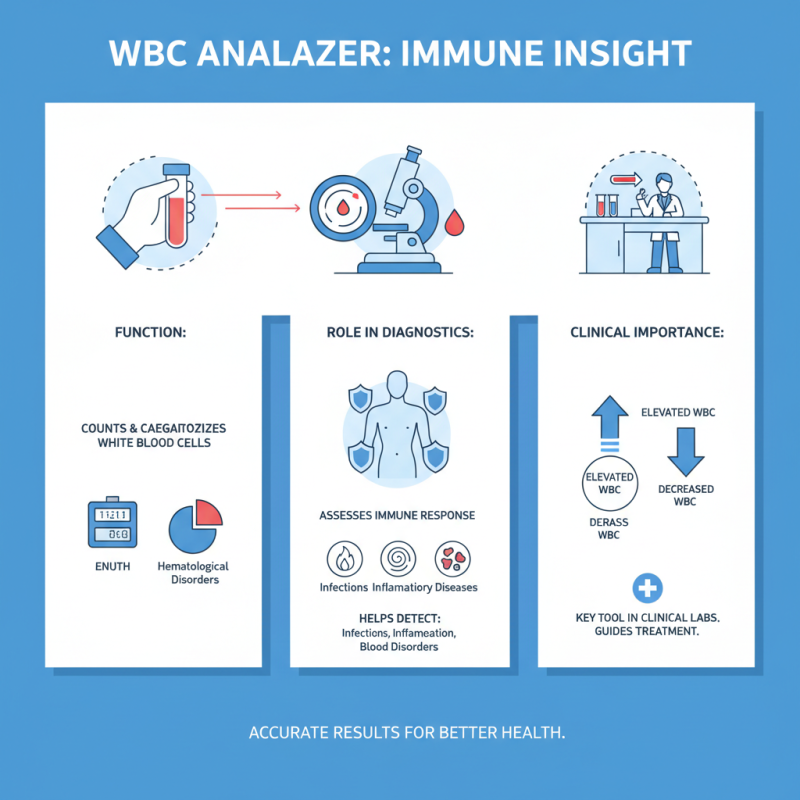
The Wbc analyzer plays a crucial role in the field of blood testing, primarily designed to assess white blood cells (WBCs) in a given blood sample. Understanding the function of this analyzer is key to interpreting results accurately. By counting and categorizing different types of white blood cells, the device provides valuable insights into the body’s immune response and helps detect various medical conditions. Elevated or decreased WBC counts can indicate infections, inflammatory diseases, and even hematological disorders, making the analyzer an essential tool in clinical laboratories.
In addition to merely counting cells, the Wbc analyzer often provides differential counts, which give a breakdown of the various subtypes of white blood cells, including neutrophils, lymphocytes, monocytes, eosinophils, and basophils. This data can be invaluable, as each subtype serves a specific function in the immune response. For instance, a high level of neutrophils may indicate an acute infection, while elevated lymphocytes might suggest a viral infection or chronic illness. Understanding these parameters allows healthcare professionals to make informed decisions regarding diagnosis, treatment, and monitoring of patient health, ultimately enhancing the quality of care provided.
Key Features of the Wbc Analyzer for Enhanced Accuracy
The Wbc Analyzer is an essential tool for obtaining precise blood test results, thanks to its cutting-edge features designed for enhanced accuracy. One of its key attributes is automation, which minimizes human error during the testing process. This automated system not only speeds up the analysis but also ensures consistency, allowing for reliable results across multiple samples. Additionally, the device is equipped with advanced algorithms that accurately differentiate between various types of white blood cells, giving healthcare professionals a comprehensive view of the immune system's status.
Another notable feature of the Wbc Analyzer is its ability to provide real-time results, which is vital for quick decision-making in medical scenarios. This immediacy means that clinicians can respond more effectively to a patient's condition and alter treatment plans without unnecessary delays. The device also includes extensive data management capabilities, allowing for an easy comparison of results over time, which is crucial for tracking patient health trends and outcomes. Overall, the Wbc Analyzer stands out as a pivotal element in laboratory diagnostics, designed to empower healthcare providers with precise insights into patient health.
How to Use Wbc Analyzer for Accurate Blood Test Results and Health Insights - Key Features of the Wbc Analyzer for Enhanced Accuracy
| Feature |
Description |
Benefits |
| High Precision |
Utilizes advanced algorithms for precise white blood cell counts. |
Ensures accurate diagnostics and better treatment planning. |
| Real-Time Analysis |
Provides immediate results within minutes of sample collection. |
Reduces waiting time for critical health decisions. |
| User-Friendly Interface |
Intuitive design for easy navigation and operation. |
Improves workflow efficiency for lab technicians. |
| Comprehensive Reporting |
Generates detailed reports with analysis of various WBC types. |
Facilitates thorough patient evaluations and follow-ups. |
| Integration Capabilities |
Easily integrates with existing laboratory management systems. |
Enhances overall efficiency and data management in labs. |
Step-by-Step Guide to Using the Wbc Analyzer
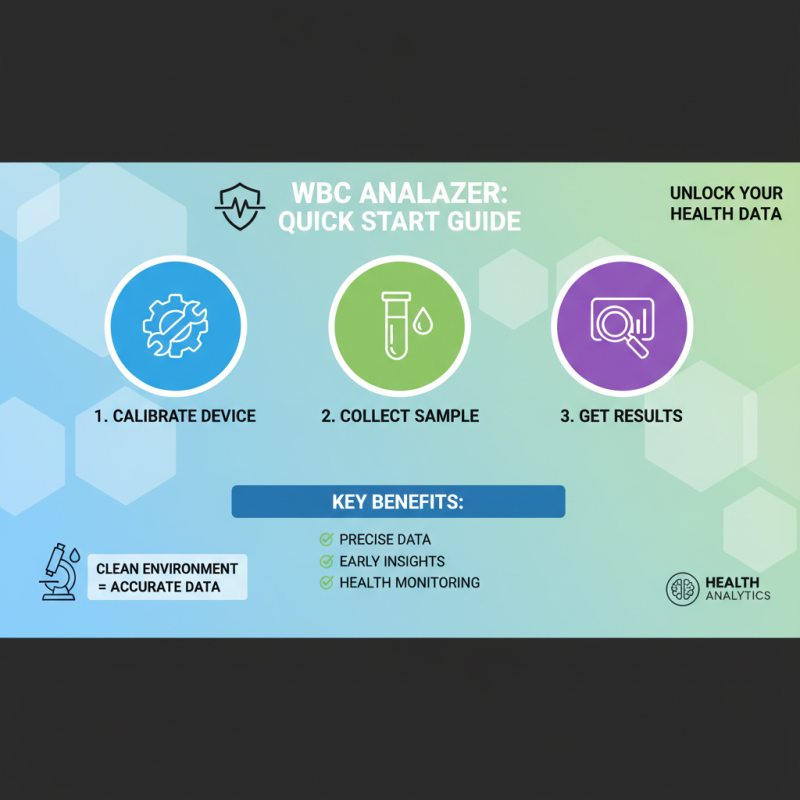
Using a Wbc Analyzer can significantly enhance your understanding of your health by providing precise blood test results. To get started, ensure that your Wbc Analyzer is properly calibrated according to the manufacturer’s instructions. First, gather all the necessary materials: the analyzer, blood sample collection kits, and any required sterilization tools. It’s essential to maintain a clean environment to prevent contamination during the sample collection.
Once you have your equipment ready, proceed to collect a blood sample. Follow the proper procedures to obtain a sample from a fingertip or vein, depending on your analyzer's requirements. After the sample is collected, place it in the designated area of the Wbc Analyzer. The machine will process the blood and provide you with immediate results, allowing you to assess your white blood cell count and other vital metrics.
**Tips:** Always follow safety protocols when handling blood samples to avoid exposure to potentially infectious materials. Additionally, document your results consistently so that you can track any fluctuations in your health over time. Regularly comparing these results can offer valuable insights into your immune system and overall well-being. If you observe any anomalies, consult a healthcare professional for further analysis and advice.
Interpreting Blood Test Results from the Wbc Analyzer
Interpreting blood test results from a Wbc Analyzer can provide valuable insights into your overall health. The white blood cell (WBC) count is a critical metric that reflects the body’s immune response. A normal WBC count typically ranges from 4,500 to 11,000 cells per microliter of blood. Values outside this range can indicate various health conditions. For instance, a higher count may suggest infections, inflammation, or even stress, while a lower count could point to issues such as bone marrow disorders or the effects of certain medications.
When analyzing results, it's essential to consider the different types of white blood cells reported by the Wbc Analyzer. Each type plays a unique role in immune function. Neutrophils, for example, are the first responders to infection, while lymphocytes are crucial for targeted immune response. Elevated levels of specific cell types can offer clues about underlying conditions. By understanding these distinctions, you can better discuss your health status with a healthcare professional, leading to more informed decisions regarding further testing or treatment options.
White Blood Cell (WBC) Count Analysis
Health Insights Derived from Wbc Analyzer Data
Utilizing data from a Wbc Analyzer can provide comprehensive insights into an individual’s health by analyzing white blood cell (WBC) counts and their differential. White blood cells play a crucial role in the body’s immune response, and variations in their levels can indicate a range of health conditions. For instance, a higher than normal WBC count might suggest infections or inflammatory diseases, while a lower count could signal issues like bone marrow problems or the effects of certain medications. According to a report from the American Society of Hematology, an estimated 1.6 million people in the U.S. are diagnosed with blood disorders each year, underscoring the importance of understanding one’s WBC health.
To make the most of Wbc Analyzer data, users can focus on a few key metrics: the total WBC count, the percentage of different types of white blood cells (such as neutrophils, lymphocytes, and monocytes), and changes over time. This detailed breakdown not only aids in diagnosing potential issues but also helps in monitoring ongoing conditions and treatment efficacy.
Tips:
1. Regular testing with a Wbc Analyzer can help catch abnormalities early, enabling timely medical intervention.
2. Keep track of your WBC counts and trends; minor fluctuations can provide valuable data for your healthcare provider.
3. When reviewing results, consult with healthcare professionals to interpret the data accurately and understand its implications for your overall health.