Best Home Oxygen Concentrator for Your Needs Guide?
Choosing a Home Oxygen Concentrator can feel overwhelming. With so many options on the market, how do you find the best fit? This guide aims to simplify your decision-making process.
A Home Oxygen Concentrator is essential for individuals with respiratory issues. It provides a continuous flow of oxygen, improving quality of life. However, not every model suits every need. You must consider factors like portability, power consumption, and noise levels.
Many users find it challenging to select an appropriate device. They may share experiences of frustration and confusion. Understanding specific requirements can help narrow choices. This guide is designed to leverage expert knowledge to assist you in making an informed choice.
Understanding Oxygen Concentrators: What Are They?
Oxygen concentrators are devices that supply oxygen to individuals with respiratory conditions. Unlike traditional oxygen tanks, these machines extract oxygen from the ambient air. This process allows users to receive a consistent and reliable oxygen source. Reports indicate that around 15 million Americans have chronic obstructive pulmonary disease (COPD), many of whom benefit from supplemental oxygen.
Understanding the mechanics is vital. These concentrators use molecular sieve technology to filter nitrogen from the air, increasing the oxygen concentration to about 90 to 95 percent. This concentration is suitable for most medical needs. A recent study highlighted that patients using oxygen therapy showed a 20% increase in exercise capacity, enhancing their quality of life significantly.
Despite their benefits, users must be aware of potential pitfalls. Oxygen concentrators require regular maintenance to ensure proper function. Neglecting this can lead to inefficient performance, resulting in inadequate oxygen supply. Furthermore, not all units provide portability, which limits mobility for some patients. It's crucial to assess individual needs carefully before making a decision.
Best Home Oxygen Concentrator for Your Needs Guide
| Feature |
Description |
Best For |
| Oxygen Output |
Measured in liters per minute (LPM), it determines the flow rate of oxygen delivered. |
Patients needing high oxygen flow. |
| Weight |
Indicates portability; lighter units are easier to move. |
Users who travel or are mobile. |
| Noise Level |
Measured in decibels (dB), it refers to how loud the unit operates. |
Users who need quiet environments. |
| Power Consumption |
Measured in watts, it indicates the energy efficiency of the unit. |
Energy-conscious users. |
| Warranty |
Length of coverage for repairs and replacements. |
Users wanting peace of mind regarding durability. |
| User Interface |
Ease of use regarding controls and displays. |
Elderly users or those with limited tech skills. |
Key Features to Consider When Choosing an Oxygen Concentrator
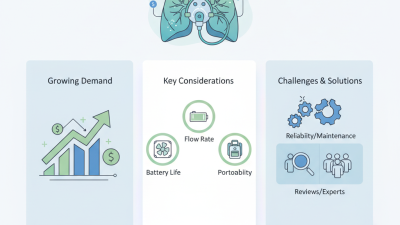
When selecting an oxygen concentrator, several key features come into play. Portability is crucial for those who need oxygen on the go. A lightweight, compact model offers ease of movement. Look for units with sturdy handles and long battery life. Consider where you will use it. Some may require a device that works for home use and travel.
Additionally, focus on the flow rate. This is the amount of oxygen delivered per minute. Most ambulatory models deliver between 1 to 5 liters per minute. Ensure it matches your medical needs. Noise levels are also significant. Many concentrators operate quietly, while others might be disruptive. Always check decibel levels.
Durability matters, too. A reliable device can last years with proper care. Research reviews and insights from users. Consider maintenance requirements; some units may need regular filter changes. This upkeep can influence convenience and costs. Balancing all these factors is essential for an informed choice. It may take time to find the perfect fit.
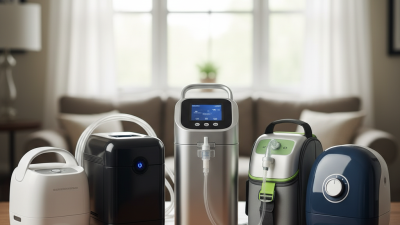
Best Home Oxygen Concentrator Comparison
Types of Oxygen Concentrators: Portable vs. Stationary Options
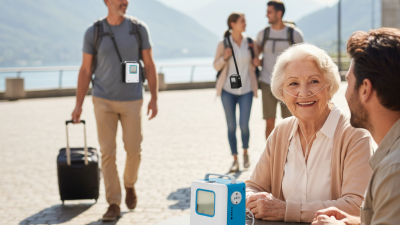
When considering oxygen concentrators, it's essential to understand the types available: portable and stationary. Portable models are lightweight and designed for mobility. They allow users to move freely, which is ideal for those with an active lifestyle. Many portable concentrators offer a battery option, providing independence from wall outlets. However, they may have lower oxygen output than stationary units.
Stationary oxygen concentrators, on the other hand, are larger and more powerful. They are primarily used at home and provide a continuous supply of oxygen. These devices can deliver higher flow rates but are not meant for travel. If you need consistent oxygen support while resting, a stationary concentrator might be more suitable.
Tips: Consider your daily routine. Assess how often you'll be on the go versus at home. Your specific needs can guide your choice. Test different models to find comfort; not all machines feel the same. Check for user reviews too; real-life experiences can highlight potential issues or benefits.
Assessing Your Oxygen Needs: How to Determine the Right Flow Rate
When it comes to home oxygen concentrators, understanding your specific oxygen needs is crucial. The right flow rate is essential for effective therapy. It's not just about having an oxygen concentrator; it's about having the right one. A flow rate that is too low may not meet your body's demands, whereas a flow rate that is too high may lead to discomfort or wastage of oxygen.
To determine your flow rate, consult with a healthcare provider. They can perform a thorough assessment, often involving pulse oximetry tests. These tests measure how well your body absorbs oxygen. Be prepared for some trial and error. Adjusting flow rates can take time. Each individual may respond differently to varying levels of oxygen. Keeping a journal of your symptoms and oxygen saturation can help you and your provider make informed decisions.
Monitoring your response to therapy is vital. Signs of inadequate oxygen include shortness of breath, fatigue, and confusion. If you notice these symptoms, it might indicate a need to reevaluate your flow rate. Regular follow-ups with your healthcare provider can help in fine-tuning your requirements. Remember, it’s a personal journey. Each person's needs can vary widely and may change over time.
Top Brands and Models of Home Oxygen Concentrators: A Quick Overview
Choosing the right home oxygen concentrator can be overwhelming. Numerous brands and models flood the market, each claiming superiority. According to a 2023 industry report, over 2.5 million Americans depend on supplemental oxygen. This staggering number highlights the importance of selecting a device that meets individual needs.
When evaluating top brands, consider portability and oxygen output. Many concentrators offer flow rates from 1 to 10 liters per minute. Some models weigh as little as five pounds, making them travel-friendly. However, the filtration systems in these devices can vary significantly. Regular maintenance is crucial; neglect may lead to reduced efficiency.
It's vital to consult healthcare providers for personalized recommendations. An ideal model should match your lifestyle and medical requirements. Keep in mind that the cost of these concentrators can also differ widely, impacting accessibility for some users. Always perform thorough research before making a purchase.