Top 10 Oxygen Machines for Global Buyers in 2026?
As we look ahead to 2026, the demand for reliable oxygen machines continues to rise. With the increasing prevalence of respiratory conditions, individuals around the globe require effective solutions. An oxygen machine provides essential therapy for patients, ensuring they receive the necessary oxygen for their health and wellbeing.
The landscape of available oxygen machines is evolving rapidly. Innovations are emerging, offering improved efficiency and portability. Selecting the right machine can be overwhelming. Features vary, including battery life, flow rate, and weight. Understanding these aspects is crucial for a buyer’s decision-making process.
However, not all options are perfect. Some machines lack critical features that meet specific medical needs. Buyers may find themselves questioning the durability and support services provided. Evaluating these shortcomings is important for making informed choices. This guide will highlight the top 10 oxygen machines for global buyers in 2026, focusing on both strengths and limitations.
Understanding the Importance of Oxygen Machines in 2026
The importance of oxygen machines has surged in recent years. By 2026, the global demand for these devices could rise significantly. According to a recent industry report, the market for oxygen concentrators is expected to grow at a CAGR of 10.4%. This growth will largely stem from an increasing incidence of respiratory diseases worldwide.
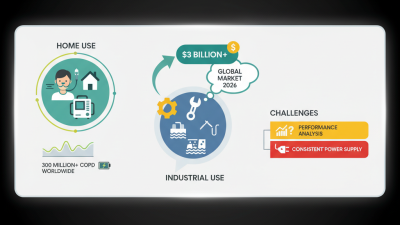
As populations age, the need for supplemental oxygen becomes apparent. In 2026, an estimated 300 million people may require some form of oxygen therapy. Communities facing chronic conditions like COPD will greatly benefit from accessible oxygen solutions. Yet, despite this necessity, not all markets are prepared for such a demand.
Accessibility remains a challenge in many areas. While healthcare systems aim to improve, gaps still exist. Some regions may lack adequate infrastructure or training for optimal machine use. This raises questions about reliability and the quality of care provided. Addressing these disparities is essential to ensure that patients receive effective treatment when they need it most.
Key Features to Look for in an Oxygen Machine
When choosing an oxygen machine, certain features stand out as critical.
Adaptability is key. Many users require specific oxygen concentrations.
Machines must provide adjustable flow rates to fit individual needs. Common settings include 1 to 5 liters per minute.
This ensures optimal oxygen delivery.
Portability is another vital aspect. In a report by the Global Oxygen Therapy Devices Market,
around 74% of users prefer lightweight options for easier transport. Models weigh as little as 5 pounds.
This is especially important for those needing oxygen on the go. In 2026, advancements in battery technology may expand operational time,
which is crucial.
Additionally, noise level plays a significant role. A quiet machine allows for comfortable use, especially at night.
Many new devices now operate below 40 decibels. That’s comparable to a library.
However, not all machines achieve this. Some users report dissatisfaction with noise levels during use.
Regular maintenance is essential to ensure optimal performance and user satisfaction.
Top Brands and Models of Oxygen Machines Available Worldwide
As the global demand for oxygen machines increases, various brands and models are emerging in the market. By 2026, experts predict a significant rise in the global oxygen therapy market, with a projected growth rate of approximately 8.5% annually. This underscores the urgent need for reliable and efficient oxygen machines.
When selecting an oxygen machine, consider the type of technology used. Some machines rely on traditional oxygen cylinders, while others employ advanced methods like oxygen concentrators. Each comes with unique operational costs and efficiency. A report from the Global Oxygen Therapy Market indicates that concentrators are becoming more popular due to their portable nature and lower long-term costs.
Tips: Look for machines with high output rates. These can deliver oxygen at consistent levels, enhancing therapy effectiveness. Additionally, consider the machine’s weight and mobility features. For users with limited mobility, a lighter model may be essential.
It's vital to remember that not all machines are universally suitable. What works for one patient may not work for another, highlighting the need for individualized assessment. Regulatory changes can also impact availability and technology standards. Staying informed is crucial for making sound purchasing decisions.
Comparative Analysis of Oxygen Machines Based on User Ratings
When selecting the best oxygen machines in 2026, user ratings provide crucial insights. By evaluating various models, we identify key features that resonate with users. Not every machine will suit everyone. User feedback often highlights performance issues or comfort factors that vary widely among different brands.
Tips: Look for machines with adjustable flow rates. This feature can enhance comfort, providing a personalized experience. User ratings often suggest the importance of portability. Choosing a lightweight machine can make daily activities easier.
Analyzing user experiences shows patterns. Some oxygen machines are quieter than others. Noise levels can significantly affect user comfort at home or during travel. Moreover, the ease of maintenance is frequently mentioned; machines that require less effort to clean tend to have better user feedback.
Tips: Always read multiple reviews before making a decision. A well-rounded understanding from various perspectives can guide you to the right choice. Prioritize quality over cost. In the long run, investing in a reliable product can save you trouble and additional expenses.
Future Innovations and Trends in Oxygen Therapy Machines
As we look toward 2026, oxygen therapy machines are set to undergo significant innovations. The global oxygen therapy market is expected to reach $36.7 billion by 2026, according to recent industry analyses. Demand for portable oxygen devices is rising. Patients desire mobility. This trend drives engineers to create lightweight, user-friendly alternatives.
Emerging technologies in oxygen concentrators will focus on improving efficiency. Machines with smarter algorithms will optimize oxygen delivery. The integration of AI can lead to better patient outcomes. Studies show that enhanced data analytics can track user patterns, offering personalized support. However, there are concerns about data privacy and security. Are we placing user information at risk?
Another trend includes eco-friendly designs. Manufacturers are exploring sustainable materials. However, the industry faces challenges in balancing performance with environmental impact. As more users demand green solutions, some companies may struggle to innovate responsibly. This highlights the industry's need for a more comprehensive approach to sustainability. Can we truly achieve a greener future while maintaining quality?
Top 10 Oxygen Machines for Global Buyers in 2026
This chart presents the estimated market share and innovation levels for the top 10 oxygen therapy machines expected in 2026. The data reflects the anticipated performance based on trends in healthcare technology and oxygen therapy advancements.