Best Portable O2 Concentrator Options for Global Buyers?
In today's world, reliable breathing support is crucial for many individuals. Portable O2 Concentrators have emerged as a game-changer. These devices offer oxygen on the go, enhancing the quality of life for users globally. With advancements in technology, various options are available, catering to diverse needs.
Selecting the right Portable O2 Concentrator can be overwhelming. Factors such as weight, battery life, and flow rate matter significantly. Many buyers struggle with these choices. A thorough evaluation of features and user reviews can foster better decision-making.
While the market offers several impressive models, not all may be ideal for every person. Users need to assess their unique requirements and environments. In some cases, a portable unit may not sufficiently meet the oxygen demand. Therefore, proper research is vital. Understanding the capabilities and limitations of different models ensures you select the best option for your needs.
Best Portable O2 Concentrators: Key Features to Consider
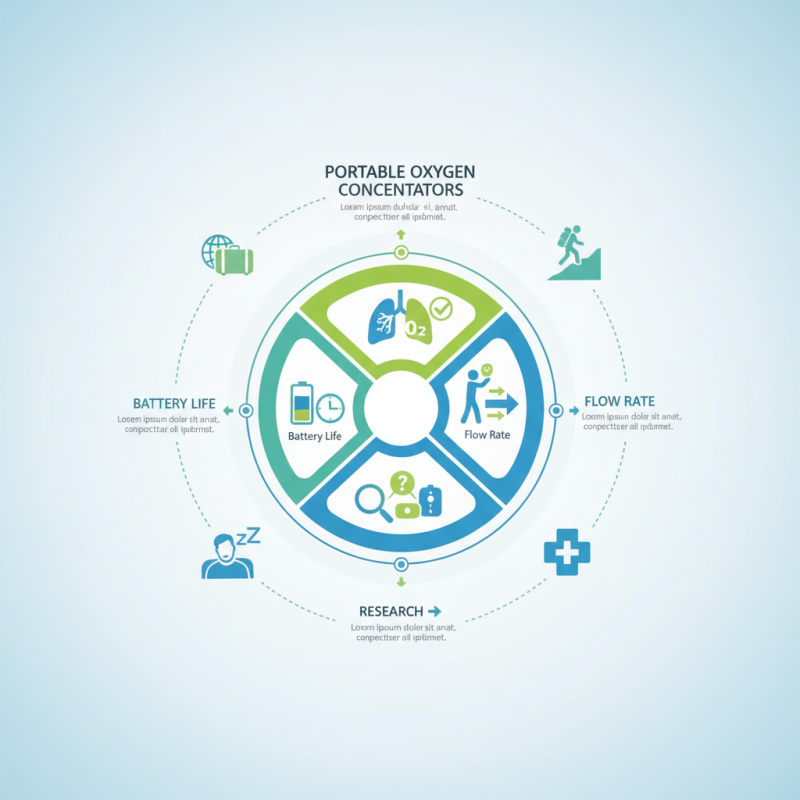
Portable oxygen concentrators (POCs) have become essential for many, especially for those with respiratory conditions. When choosing a POC, several key features should be considered. The oxygen output is critical; POCs generally produce 1-5 liters per minute. According to the Respiratory Care journal, users must ensure their device meets their medical requirements. Battery life is another key factor. Most models last between 3 to 8 hours, impacting their usability during travel or daily activities.
The weight and size of POCs also matter. Ideally, these devices should weigh less than 10 pounds and be easy to carry. Many users report difficulties with heavier devices during extended outings. Additionally, noise level is often overlooked. A quiet operation, typically below 40 decibels, enhances user experience, particularly in social settings.
Tips: Consider testing various models to assess comfort and usability. Check online reviews and user feedback for real-world insights. Don’t forget to check warranty options. A good warranty can save money and stress if issues arise.
Best Portable O2 Concentrator Options for Global Buyers
| Model |
Weight (lbs) |
Oxygen Output (L/min) |
Battery Life (hrs) |
Noise Level (dB) |
Ports |
Warranty (Years) |
| Model A |
5.5 |
3 |
6 |
40 |
1 |
3 |
| Model B |
6.0 |
4 |
8 |
35 |
2 |
2 |
| Model C |
4.5 |
2 |
5 |
45 |
1 |
4 |
| Model D |
7.0 |
5 |
10 |
30 |
3 |
5 |
| Model E |
5.0 |
2.5 |
7 |
38 |
2 |
3 |
Top Brands of Portable O2 Concentrators for Global Buyers
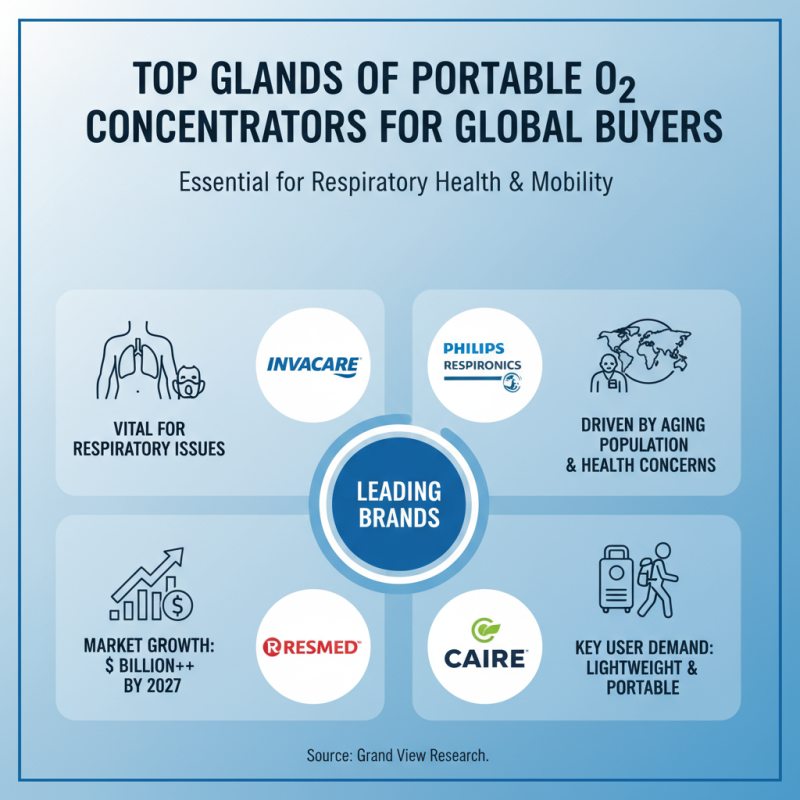
Portable oxygen concentrators (POCs) are vital for those with respiratory issues. In recent years, the demand for these devices has surged. A report by Grand View Research shows that the global oxygen concentrators market will reach over $2 billion by 2027. This growth is driven by health concerns and an aging population. Many users seek lightweight, easy-to-carry devices for everyday use.
Several brands have emerged as leaders in the portable oxygen concentrator market. The focus remains on creating devices that combine efficiency with user-friendly features. Research indicates that consumers prioritize battery life, weight, and ease of use. Recent studies reveal that effective POCs can dramatically improve users' quality of life, allowing them to engage more actively in daily activities.
However, flaws still exist in some models. Users report varied experiences, especially with noise levels and durability. Not every device lives up to its promises. This inconsistency highlights the necessity for thorough market research before purchase. Understanding individual needs is crucial for making informed choices in this growing market.
Comparative Analysis of Portable O2 Concentrators' Performance
When selecting a portable oxygen concentrator, performance is key. Users should consider factors such as flow rate, weight, and battery life. These elements significantly influence usability, especially for those on the go. A compact design allows easy movement. Yet, some models may sacrifice power for portability, which can be confusing.
A comparative analysis reveals that not all concentrators provide the same oxygen output. Some devices perform well at lower altitudes but struggle in higher elevations. Users must be conscious of their environments and specific needs. It's a challenge finding the perfect balance. Testing various options can provide better insights.
Tips: Always check specifications before purchasing. Understanding the flow rate is crucial for your oxygen needs. Additionally, consider the battery duration for long trips. Each user’s needs are unique, requiring thoughtful evaluation. It’s essential to prioritize which features matter most. Both simplicity and functionality should guide your decision-making process.
User Reviews and Ratings: Insights on Portable O2 Concentrators
Portable oxygen concentrators (POCs) have gained significant attention in recent years. User reviews frequently highlight their portability and ease of use. The Global Oxygen Concentrator Market is projected to reach $3.76 billion by 2027. This reflects a growing need and acceptance of these devices.
Many users appreciate the lightweight design of modern POCs, which can weigh as little as 5 pounds. However, portability sometimes compromises battery life. Some users report needing to recharge during extended outings. Reviews also indicate that noise levels can vary. A few models are described as whisper-quiet, while others are noted for being disruptive in quiet environments.
User ratings often focus on customer service experiences. Many consumers express frustration over technical support delays. The importance of reliable customer service cannot be overstated. According to reports, 70% of users prefer devices with comprehensive support options. As more individuals seek POCs, manufacturers must address concerns about reliability and performance. Comprehensive reviews can guide buyers toward the best options available.
Cost vs. Benefit: Making an Informed Choice on Portable O2 Devices
When considering portable oxygen concentrators, evaluating cost versus benefit is essential. These devices are a substantial investment, often ranging from hundreds to thousands of dollars. It's crucial to understand the features that truly matter. For instance, some models offer longer battery life, while others are more lightweight. Identifying your specific needs is vital for making a wise choice.
Additionally, portability is not just about weight. Dimensions can significantly impact usability. Consider where you’ll use the device most. Will it be in a small airplane or during travel? These factors influence which model might be most suitable. Sometimes, a slightly lower cost option may present hidden expenses. Repairs and replacements can add up.
Reliability is non-negotiable when it comes to health. Look for devices backed by clinical studies or approved by health organizations. You might find more affordable options that perform adequately for occasional use. However, daily needs require a device you can trust completely. Balancing affordability with quality can be a challenge. Each buyer's journey will be different, often leading to unforeseen considerations.