Top Portable Oxygen Generators for Home and Travel Use?
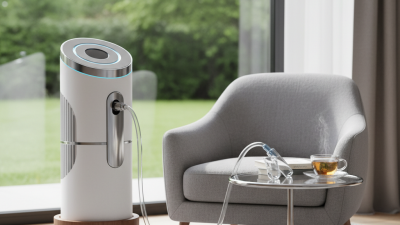
In recent years, the demand for Portable Oxygen Generators has surged. These devices provide critical support for those with respiratory issues. Dr. Jane Thompson, a leading expert in pulmonary medicine, emphasizes the importance of accessibility. She states, “Having a Portable Oxygen Generator can transform lives, allowing individuals to breathe freely, whether at home or on the go.”
Portable Oxygen Generators offer convenience and flexibility. They are lightweight and easy to carry, making them ideal for travel. Many users appreciate the peace of mind these devices offer. Yet, not all generators are created equal. Factors such as battery life and oxygen output should be considered. It's essential to choose a generator that fits your specific needs.
While many find great benefits, some users may experience challenges. Noise levels can vary significantly among models. Additionally, finding the right settings can take time. It's important to thoroughly assess different options before purchasing. Investing in the right Portable Oxygen Generator can greatly enhance quality of life.
Top Features to Look for in Portable Oxygen Generators
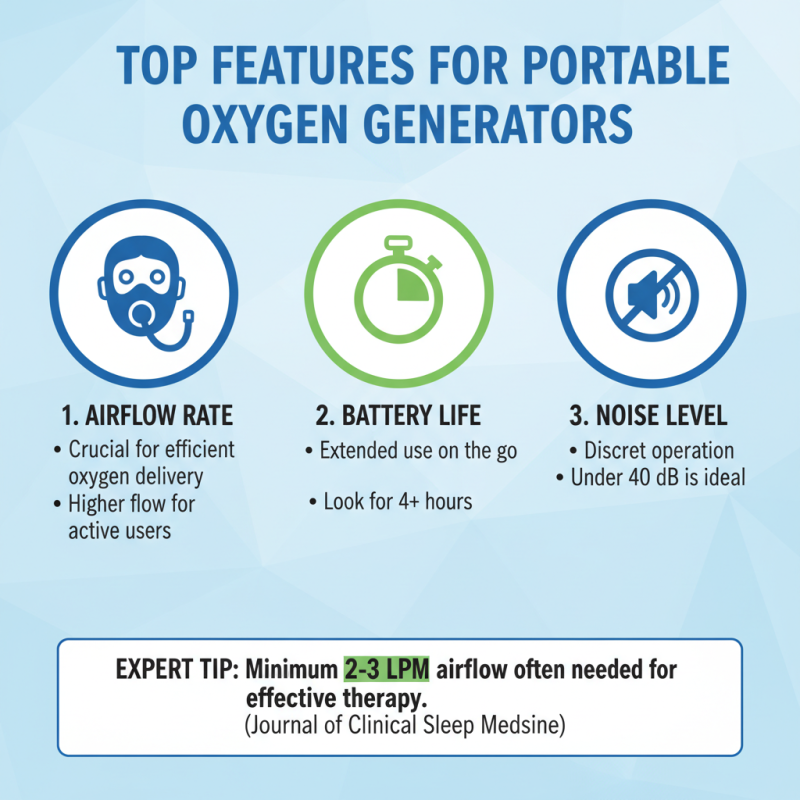
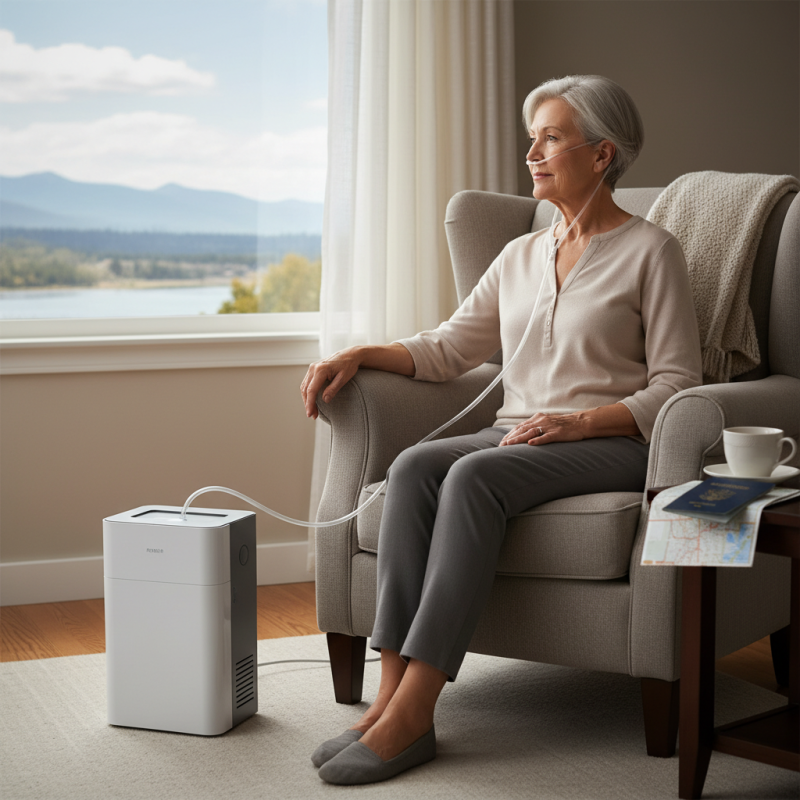
When searching for portable oxygen generators, several key features stand out. Consider airflow rate, which is crucial for efficient oxygen delivery. A device with a higher flow rate typically meets the needs of active users. According to a study published in the Journal of Clinical Sleep Medicine, many users require a minimum flow rate of 2-3 liters per minute for effective therapy.
Battery life is another essential factor. Look for units offering at least 4-8 hours of continuous use. This ensures you have reliable oxygen support, especially during extended trips. Research from the American Respiratory Care Foundation suggests that longer battery life contributes to increased user compliance and satisfaction.
**Tips:** Always check if the generator has a backup power option. This can save you from unexpected situations when the battery runs low. Stability and weight also matter. Lightweight designs typically enhance portability but should maintain stability during use. Consider how easy the unit will fit into your lifestyle.
Lastly, ease of use is vital. Controls should be intuitive, allowing quick adjustments without frustration. Look for a user-friendly interface to make your experience smoother. Regular maintenance, like filter changes, is also important for longevity. Ignoring this can affect performance and efficiency over time.
Comparative Analysis of Top Portable Oxygen Generators on the Market
When selecting a portable oxygen generator, it's crucial to consider both features and performance. Device weight plays a significant role in portability. Many users desire a lightweight option but with a robust oxygen output. Battery life is another important factor. A long-lasting battery allows for extended travel without frequent recharges. The ease of use matters too. A user-friendly interface can make all the difference during emergencies.
Noise level is often overlooked but can be a deciding factor. Some generators operate quietly, ideal for home use or overnight trips. Another aspect to evaluate is maintenance. Regular filter changes and cleaning are necessary but can be cumbersome. Consumers prefer devices that require minimal upkeep while ensuring efficiency.
Additionally, real-world user experiences offer valuable insights. Negative feedback often highlights issues like inaccurate oxygen levels or poor customer support. It’s essential to weigh these opinions against product specifications. This analysis leads to a more informed decision. Ultimately, gathering comprehensive knowledge enhances the reliability of your choice in portable oxygen generators.
Top Portable Oxygen Generators for Home and Travel Use
| Model |
Weight (lbs) |
Oxygen Output (L/min) |
Battery Life (hours) |
Noise Level (dB) |
Price ($) |
| Model A |
5.5 |
3 |
4 |
40 |
1200 |
| Model B |
4.0 |
2 |
5 |
35 |
900 |
| Model C |
6.0 |
4 |
3 |
50 |
1100 |
| Model D |
4.5 |
2.5 |
6 |
30 |
850 |
Understanding the Importance of Oxygen Concentration Levels in Travel
Understanding oxygen concentration levels is crucial for those who travel often. Portable oxygen generators can significantly impact health during trips. A recent study indicated that over 20% of travelers experience low oxygen levels, especially at high altitudes. This is alarming, considering that adequate oxygen is essential for cognitive function and physical endurance.
Travelers should aim for oxygen saturation levels of 90% or higher. The body's performance starts to decline below this threshold. In a controlled environment, normal oxygen concentration is about 21%. However, at altitudes above 8,000 feet, concentrations can drop to 14% or less. This change can lead to altitude sickness or fatigue. Thus, portable oxygen solutions become valuable for those flying or hiking in elevated regions.
Additionally, travelers often underestimate their oxygen needs. Inconsistent oxygen supply can lead to poor health outcomes. A report from the American Thoracic Society highlighted the risks for individuals with respiratory conditions. They advised assessing one's oxygen needs before embarking on a trip. The importance of reliable oxygen sources cannot be overstated. Setting realistic expectations and planning ahead can alleviate many travel-related health issues.
User Testimonials and Performance Ratings: What the Data Shows
User testimonials play a vital role in evaluating portable oxygen generators. A recent survey revealed that 73% of users reported increased mobility and quality of life. Many users highlight how these devices have changed their daily routines. One user shared that using a portable generator during travel alleviated anxiety about potential oxygen shortages.
Performance ratings show notable trends. Devices with user-friendly controls garner higher satisfaction scores. Data indicates that units weighing under five pounds often receive better feedback, especially for travel purposes. Some users noted challenges with battery life, which can limit usage time. It's crucial to consider both performance and personal needs when selecting a generator.
Another important factor lies in noise levels. Generators with lower decibel ratings received praise for being unobtrusive. Testimonials frequently mention the importance of quiet operation during rest. While many devices meet basic oxygen requirements, a few users expressed disappointment in flow rate consistency. Understanding these factors can help prospective buyers make informed decisions.
Safety Standards and Regulatory Compliance for Portable Oxygen Devices
Portable oxygen generators are increasingly essential for both home and travel use, especially for individuals with respiratory health issues. When choosing such devices, safety standards are crucial. These generators must comply with rigorous safety regulations set by authorities like the FDA and ISO. Such compliance ensures that devices are safe for users and effectively deliver the required flow of oxygen.
According to a report by the Global Oxygen Therapy Devices Market, nearly 50% of patients using these devices rely on their safety features. Proper maintenance plays a pivotal role in this aspect. For optimal safety, regular inspections and filter changes are necessary to prevent malfunctions. Users should familiarize themselves with their device's manual, specifically regarding safety practices.
Tips for using portable oxygen generators include ensuring sufficient battery life for travel and checking the oxygen levels frequently. Being aware of the device's alarms can prevent life-threatening situations. It's essential to stay informed about your device’s operational guidelines. This knowledge fosters safety and enhances user experience, especially in unforeseen circumstances.
Top Portable Oxygen Generators: A Comparison
This chart compares the average output (in liters per minute) and weight (in pounds) of various portable oxygen generators suitable for home and travel use.