Best Telemedicine Monitor for Remote Health Tracking?
In recent years, the demand for effective health monitoring tools has surged. Telemedicine monitors have become essential in this landscape. According to a report by Fortune Business Insights, the global telemedicine market is expected to reach $460 billion by 2030, with significant growth driven by remote patient monitoring solutions.
Dr. Sarah Thompson, a renowned telemedicine expert, emphasizes, "The right Telemedicine Monitor can greatly enhance patient engagement and health outcomes." This statement underlines the importance of selecting the ideal monitor for various health tracking needs. Many patients find themselves overwhelmed by the range of options available. It’s crucial to consider both functionality and user-friendliness.
However, some telemedicine monitors may not meet every patient's specific requirements. Each monitor has its advantages and limitations. For some users, the complexity of certain devices can lead to frustration. Understanding what works best individually requires time and reflection. Choosing the best Telemedicine Monitor is a crucial decision, demanding careful thought and analysis to truly benefit from remote health tracking.
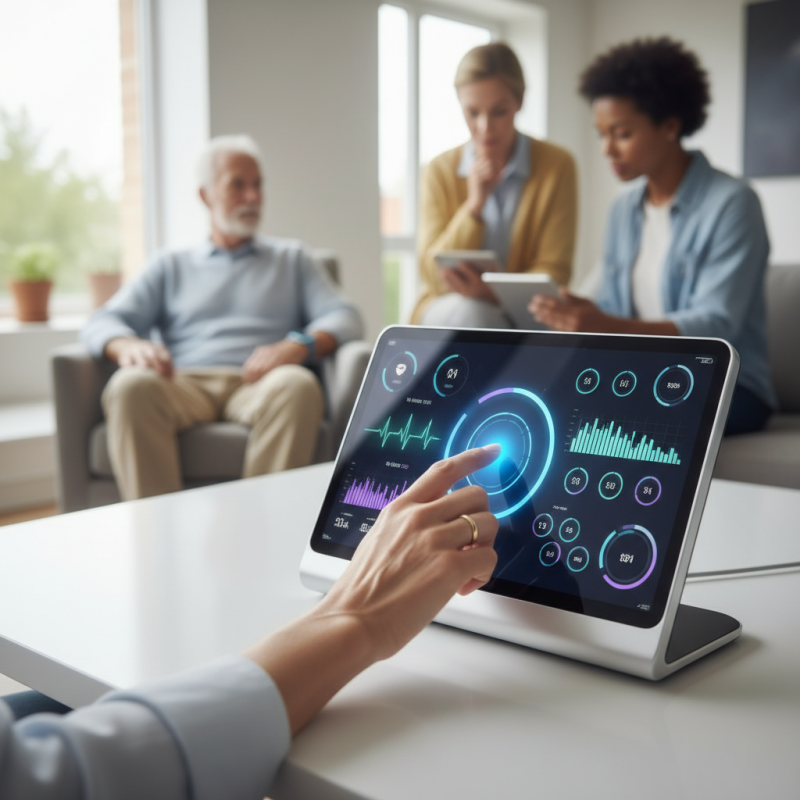
Overview of Telemedicine Monitors for Remote Health Tracking
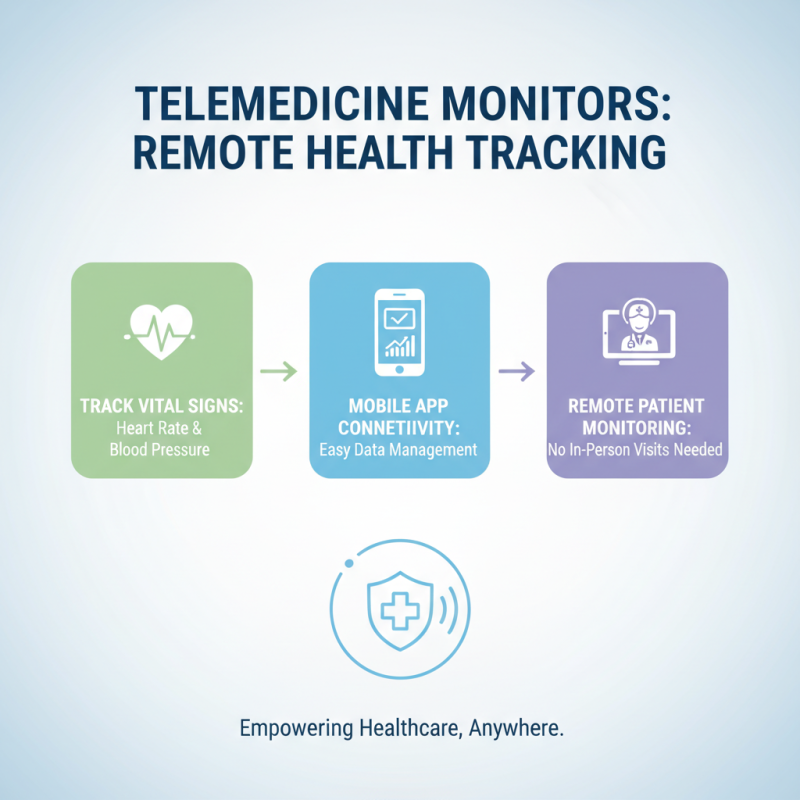
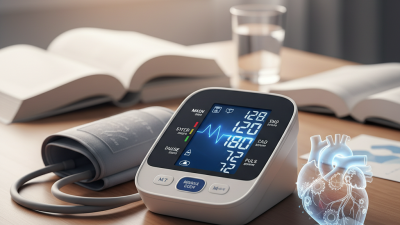
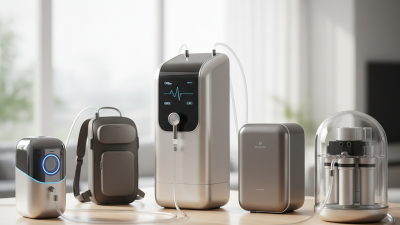
Telemedicine monitors are essential for remote health tracking. These devices help track vital signs like heart rate and blood pressure. They connect to mobile apps for easy data management. This allows healthcare providers to monitor patients without needing in-person visits.
When choosing a telemedicine monitor, consider its compatibility with your smartphone. Many devices offer easy syncing options. Ensure the monitor provides accurate readings. Personal health data should always be reliable. This can directly impact your treatment plan. Look for monitors that are user-friendly. A complex device can lead to frustration.
Tips: Always check battery life. A monitor that frequently needs charging may not work for you. Regularly review the collected data. This helps in noticing trends and potential health issues. Remember, technology sometimes fails. If data appears inconsistent, verify with a healthcare professional. Take time to understand the device's settings. This can enhance your tracking experience.
Key Features to Look for in a Telemedicine Monitor
When searching for the best telemedicine monitor, several key features stand out. Look for devices with high-resolution displays. Clear visuals allow for better understanding of health metrics. Ensure the monitor has user-friendly navigation. It should be simple for both patients and providers to interpret. Intuitive interfaces enhance the overall experience.
Another vital feature is connectivity. A reliable telemedicine monitor should support multiple connection options. Wireless and wired options offer flexibility in various settings. Integration with electronic health records (EHR) is essential for efficient data management. This streamlines communication with healthcare providers, enhancing care delivery.
Don’t overlook portability. Some monitors are designed for home use, while others are more compact. Review the battery life and weight. Devices that are easy to transport allow for better accessibility in remote areas. However, not all monitors may update in real-time. This can lead to gaps in data tracking. Reflect on what is truly necessary for effective remote health monitoring.
Best Telemedicine Monitor for Remote Health Tracking? - Key Features to Look for in a Telemedicine Monitor
| Feature |
Description |
Importance |
| Real-time Vital Sign Monitoring |
Ability to track vital signs like heart rate, blood pressure, and oxygen saturation in real-time. |
High |
| Mobile App Integration |
Compatibility with mobile applications for easy access to health data and alerts. |
Medium |
| Data Security |
Strong encryption methods to protect patient data and comply with regulations. |
High |
| User-friendly Interface |
Intuitive design that makes it easy for patients and healthcare providers to interact. |
Medium |
| Telehealth Readiness |
Integration capabilities with telehealth platforms for virtual consultations. |
High |
| Battery Life |
Long-lasting battery to allow extended use without frequent recharging. |
Medium |
| Multi-parameter Monitoring |
Ability to monitor multiple health parameters simultaneously, such as ECG, temperature, etc. |
High |
Top Telemedicine Monitors for Home Health Monitoring
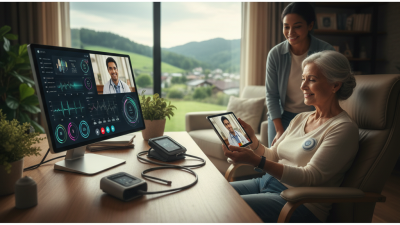
Telemedicine monitors are becoming vital for home health tracking. They allow patients to check their vital signs without frequent visits to the doctor. This convenience can improve adherence to treatment plans. For instance, monitors can track heart rate, blood pressure, and glucose levels. These devices help in managing chronic conditions effectively.
However, choosing the right monitor isn’t straightforward. Many options flood the market, making decision-making tough. It’s essential to consider user-friendliness and accuracy. Some monitors may boast advanced features but can be complicated for older adults. Ease of use often determines how well these monitors fit into daily routines.
Another challenge lies in data management. Monitors collect health data but often lack seamless integration with medical systems. Patients may find themselves lost in a sea of numbers. This reality highlights the need for better solutions in data interpretation. Continued improvement in telemedicine technology is necessary for truly remote healthcare management.
Remote Health Monitoring Devices Usage Statistics
Comparative Analysis of Telemedicine Monitors on the Market
Telemedicine monitors have revolutionized remote health tracking. Different devices offer various features, making selection overwhelming. Many options track vital signs like heart rate, blood pressure, and oxygen levels. Users may find it hard to determine which features matter most for their needs. The quality of data can vary significantly across different monitors.
Battery life is often a concern. Some devices require frequent charging, disrupting usage. Others may lack compatibility with certain health apps. This can limit how effectively they integrate into a user's routine. User experience is another variable to consider. A complicated interface can deter consistent use. Additionally, data accuracy is crucial. Inaccurate readings can lead to unnecessary worry or missed health issues.
The market offers devices with sleek designs and real-time monitoring. Features like alerts and reminders enhance user engagement. However, they can also lead to a constant barrage of notifications. This might create stress rather than alleviating it. It’s essential to reflect on what truly enhances remote health monitoring. Choosing a telemedicine monitor requires careful thought about one’s lifestyle and health objectives. Each choice carries unique advantages and drawbacks.
Future Trends in Telemedicine Monitoring Technology
Telemedicine monitoring technology is evolving rapidly. In recent years, the global telehealth market has surged to an estimated $455 billion. This reflects increased demand for remote health solutions. Patients want convenience, and telemedicine offers that. Devices for health tracking are becoming more accessible.
Wearable technology continues to dominate in remote monitoring. Fitness trackers help users monitor heart rates and activity levels. A report indicates that the wearable medical device sector could reach $27 billion by 2026. Yet, not all devices provide accurate data. Users sometimes doubt the reliability of these trackers. Improved validation of these technologies is essential.
The integration of artificial intelligence into telemedicine is a promising trend. AI can analyze vast amounts of health data. It can help predict health issues before they arise. However, privacy concerns persist. Ensuring patient data security is increasingly complex. Striking a balance between innovation and privacy will be crucial as technology advances.