China Top 10 Auto CPAP Machine Suppliers?
China’s Auto CPAP Machine sector has become an important part of the global sleep-therapy supply chain. Chinese manufacturers now offer connected devices, quieter motors, humidifiers, and cloud-based compliance monitoring. However, supplier quality varies considerably. Product catalogs can look similar, while testing, software support, and after-sales service differ sharply.
Market research supports this growing demand. Grand View Research has reported continued expansion in the global sleep apnea devices market, driven by rising diagnosis rates and stronger awareness of untreated obstructive sleep apnea. ResMed’s annual reporting also shows increasing interest in digital patient monitoring and connected positive-airway-pressure therapy. These trends make China a practical sourcing destination, but market size alone cannot prove supplier reliability. That point deserves more attention.
Sleep-medicine specialist Dr. Steven Park has expressed a widely used clinical principle: “The best CPAP machine is the one the patient will use consistently.” Comfort matters. So does evidence.
This guide examines China’s top 10 Auto CPAP Machine suppliers through manufacturing experience, product certifications, algorithm performance, data security, customization, and service capability. It considers visible details, such as mask compatibility, pressure response, noise ratings, and humidifier design. It also looks beyond polished websites. Factory audits, clinical documentation, warranty terms, and real customer feedback often reveal more.
The ranking is not absolute. Supplier strengths change, and public information can remain incomplete. Some companies communicate better than they manufacture. Others may build strong devices but provide weak international support. Readers should verify current certifications, testing records, and technical claims before purchasing.
What Is an Auto CPAP Machine and How Does It Work?
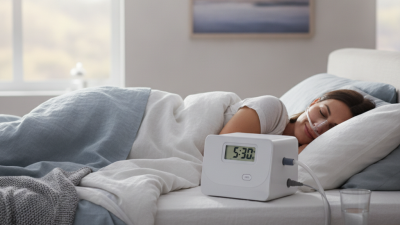
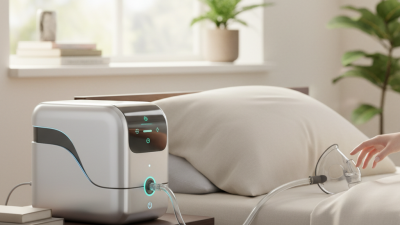
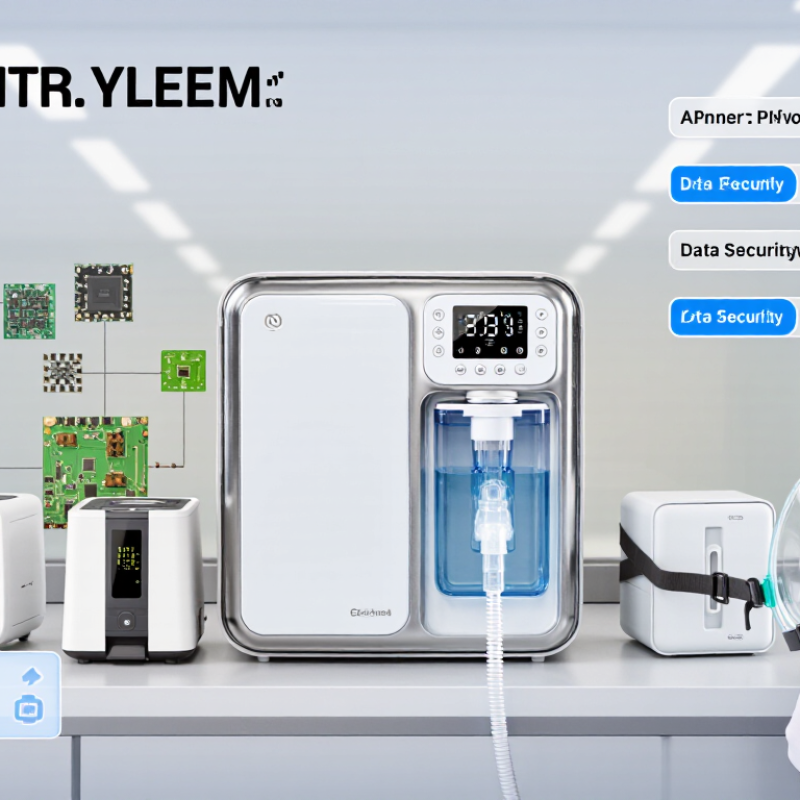
An Auto CPAP machine is a positive airway pressure device for obstructive sleep apnea. Unlike fixed-pressure CPAP, it adjusts airflow during sleep. Its internal algorithm responds to breathing changes, snoring, and airway resistance.
When the user inhales, sensors analyze pressure and airflow continuously. If the airway begins narrowing, the machine gradually increases pressure. When breathing becomes stable, it reduces pressure within a prescribed range. The process feels less forceful than constant high pressure for some users. Not everyone adapts quickly.
The Lancet Respiratory Medicine estimated that 936 million adults aged 30–69 may have obstructive sleep apnea worldwide, including 425 million with moderate-to-severe disease. This scale explains the growing demand for reliable Auto CPAP suppliers and consistent quality control. The American Academy of Sleep Medicine’s 2019 clinical practice guideline supports PAP therapy for adults with obstructive sleep apnea, when clinically appropriate. However, an Auto CPAP machine does not diagnose every sleep disorder. Mask leakage, incorrect settings, nasal congestion, and central breathing events can affect performance. Clinical data still matters. A sleep specialist should select pressure ranges and review usage results, rather than relying on automatic adjustment alone. Calibration is not a one-time task.
How to Evaluate China’s Leading Auto CPAP Machine Suppliers
How to Evaluate China’s Leading Auto CPAP Machine Suppliers
Evaluating an auto CPAP supplier requires more than comparing factory prices. Start with manufacturing experience, product scope, and documented quality systems. Ask for an ISO 13485 certificate and verify its validity with the issuing organization. Check whether the certificate covers the actual production site. A polished factory tour is not enough.
Request samples from different production batches. Test pressure accuracy, leak compensation, noise, humidifier stability, and data recording. Compare performance at low and high airflow. Review alarm functions and mask compatibility. Ask how algorithms are validated, not only how they are advertised. Supplier engineers should explain test methods clearly. If answers remain vague, pause the evaluation.
Traceability matters. Each unit should connect to inspection records, component lots, and software versions. Examine incoming material checks and final inspection procedures. Ask about failure rates, corrective actions, spare parts, warranty handling, and response times.
A reliable supplier can provide written procedures and realistic lead times. Regulatory documents must match the destination market, because approval requirements differ by country. Do not accept copied files without verification. One weakness remains easy to miss: after-sales support may appear strong before the first complaint.
Use a small trial order, define acceptance criteria, and record every issue. Supplier selection is partly technical judgment and partly disciplined skepticism.
China’s Top 10 Auto CPAP Machine Suppliers by Key Strengths
China Top 10 Auto CPAP Machine Suppliers
China’s top ten auto CPAP machine suppliers are better compared by key strengths than by sales claims. Manufacturing scale matters, but it does not prove consistent therapy performance. Experienced buyers should examine factory audits, production records, and recent test reports.
The strongest suppliers usually show expertise in algorithm development, pressure stability, and low-noise motor design. Some focus on compact travel units. Others provide integrated humidifiers, heated tubing, or adjustable comfort settings. Reliable suppliers also maintain traceable components, clear user manuals, and documented quality-control procedures. Check the details.
Several suppliers stand out through OEM customization, multilingual software, and flexible packaging. Others offer stronger clinical cooperation, cloud-based data review, or responsive technical support. A capable export team can reduce communication errors during installation and after-sales service. However, impressive brochures can hide weak testing systems. Factory visits and sample evaluations remain valuable.
A practical shortlist should also assess certifications, electrical safety testing, warranty handling, and replacement-part availability. Ask how suppliers manage returned devices and software updates. Request performance data under different pressure conditions, not only laboratory averages. No supplier is perfect. Even an established manufacturer may struggle with delayed components or inconsistent firmware updates. Buyers should record these risks before signing contracts and compare evidence, not promises.
What Certifications and Quality Standards Should Buyers Check?
When comparing China’s top 10 auto CPAP machine suppliers, buyers should verify certification scope, not just certificate logos. The ISO Survey 2022 recorded more than 31,000 ISO 13485 certificates worldwide, showing its importance in medical-device quality management. However, ISO 13485 confirms a management system, not automatic product safety. Ask for the certificate, issuing body, expiry date, and covered factory address.
For electrical safety, check IEC 60601-1 test reports, plus IEC 60601-1-2 electromagnetic compatibility evidence. Auto CPAP algorithms also need software controls under IEC 62304 and risk analysis aligned with ISO 14971. Request validation records for pressure accuracy, alarm performance, humidification, and data storage. A test sample should maintain stable pressure during mask leakage. Small details matter.
For European sales, confirm applicable EU MDR conformity assessment and the notified body’s role. For the United States, FDA establishment registration alone does not mean FDA clearance. Verify the specific 510(k) or other applicable pathway. WHO’s Global Model Regulatory Framework stresses documented post-market surveillance, yet many buyers check only pre-shipment reports. That is a weakness. Review complaint handling, corrective-action records, calibration logs, and batch traceability. I would also repeat pressure and noise tests independently, because supplier documents can be accurate but incomplete.
How to Select the Right Chinese Auto CPAP Supplier for Your Needs
China Top 10 Auto CPAP Machine Suppliers?
How to Select the Right Chinese Auto CPAP Supplier for Your Needs
Choosing a Chinese Auto CPAP supplier requires more than comparing online prices. A polished catalog is not proof of dependable production. Request the supplier’s business license, ISO 13485 certificate, quality-control procedures, and product test reports. Check whether these documents match the actual factory and model.
Ask for a working sample before discussing large orders. Test pressure stability, noise, humidifier performance, mask connection, and automatic pressure adjustment. Watch the device during several nights, not only for ten minutes. Small issues become expensive after shipment. Confirm the software language, data-export options, alarm settings, and user instructions.
Factory verification matters.
A video call can show production lines, but an independent audit provides stronger evidence. Review incoming-material checks, calibration records, final inspection, and complaint handling. Ask how failed units are repaired, replaced, and documented. Clear warranty terms should include response times and spare-part availability.
Do not select a supplier only because it offers the lowest quotation. Compare minimum order quantity, packaging standards, lead time, payment terms, and shipping responsibility. Confirm whether the supplier supports your target market’s medical-device requirements. Regulatory responsibility can vary by country, so consult a qualified local specialist when needed. I would also request two references from recent overseas buyers, although references may not reveal every weakness. Keep written records of all promises. That step feels slow, but it protects the project later.