Why Choose an Auto Cpap Machine for Better Sleep Health?
Sleep health is crucial for overall well-being. Many people struggle with sleep disorders, often leading to fatigue and decreased quality of life. An Auto CPAP Machine is designed to provide reliable treatment for obstructive sleep apnea (OSA). This device adjusts airflow automatically, ensuring optimal pressure throughout the night. It delivers comfort and promotes better sleep health in an easily manageable way.
Choosing an Auto CPAP Machine offers many advantages. The automatic pressure adjustment reduces the need for constant monitoring and manual setups. Users often find it more comfortable than traditional CPAP machines. It helps eliminate interruptions during sleep, leading to more restorative rest. Yet, some may face challenges with initial adjustments or have concerns about usage.
Reflecting on user experiences can provide valuable insights. While many report improved sleep quality, others might feel overwhelmed by the technology. It's essential to consider personal preferences and needs. The Auto CPAP Machine offers an effective solution for many, but success often depends on the user's willingness to adapt and embrace change. Ultimately, investing in better sleep health is a journey worth exploring.
The Importance of Sleep Health and Its Impact on Overall Wellbeing
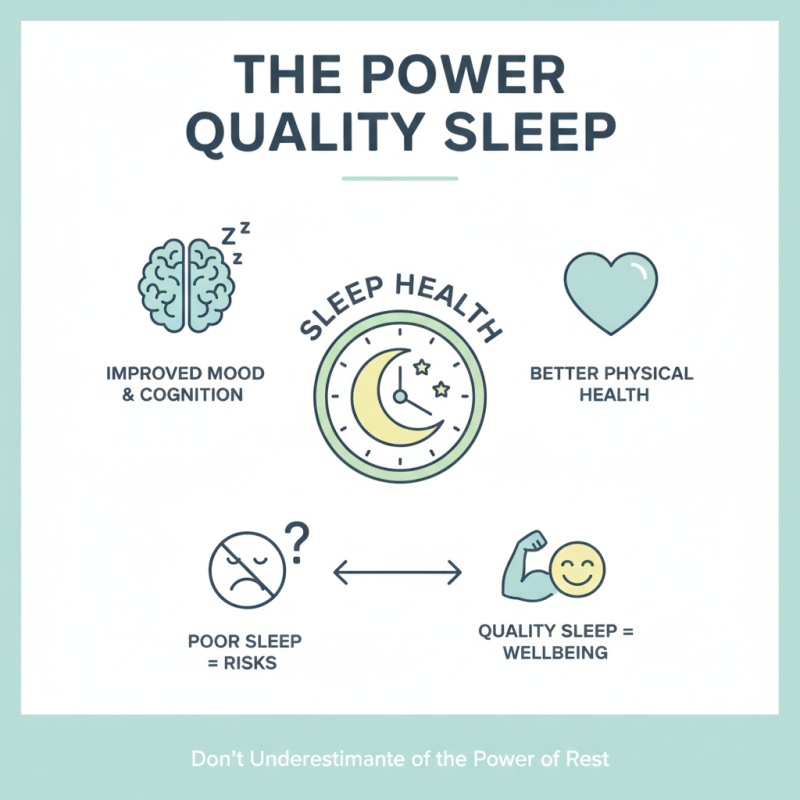
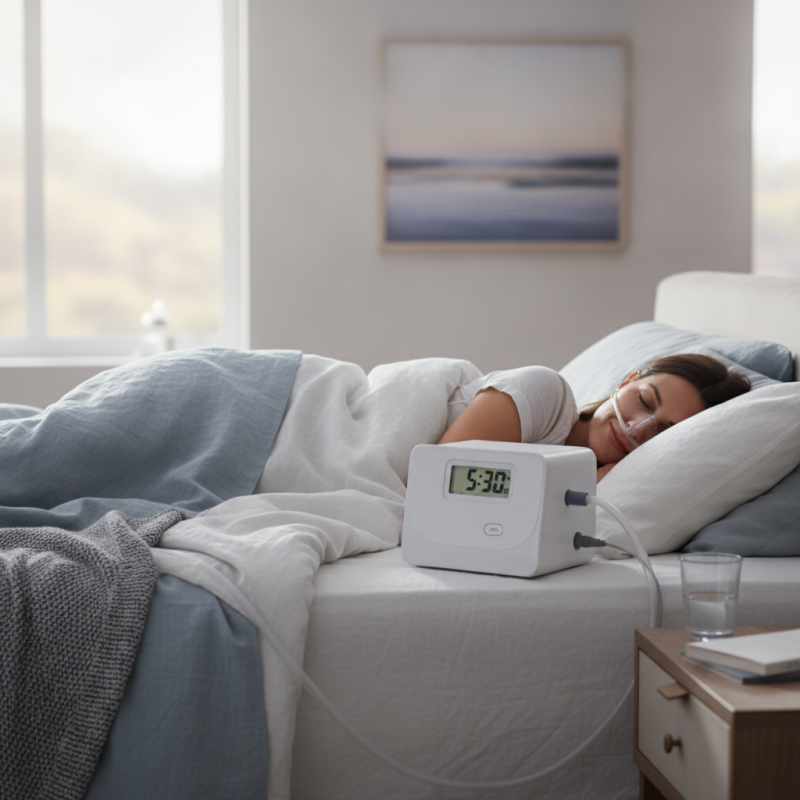
Sleep health is a crucial aspect of overall wellbeing. It affects mood, cognitive function, and physical health. Poor sleep can lead to serious issues, like heart disease or diabetes. Many underestimate the power of quality sleep. This oversight can have lasting consequences.
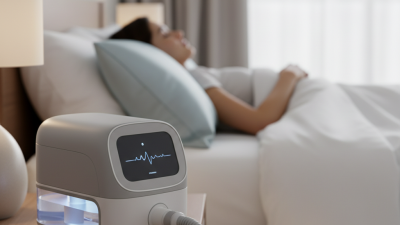
An auto CPAP machine can help improve sleep quality. It delivers a steady airflow, keeping airways open. This helps to reduce snoring and sleep apnea. Users report feeling more energetic throughout the day. Yet, not everyone experiences immediate benefits. Finding the right settings or adjustments can take time.
Creating a sleep-friendly environment is essential. A dark, quiet room encourages deeper sleep. Limiting screen time before bed can also make a difference. However, individual habits vary. Reflecting on personal sleep rituals may reveal areas for improvement. It's about learning what truly works for your body. Sleep health is an ongoing journey, not a quick fix.
Understanding Obstructive Sleep Apnea and Its Symptoms
Obstructive sleep apnea (OSA) affects millions worldwide. Research indicates that approximately 22 million Americans suffer from this condition. OSA occurs when throat muscles intermittently relax and block the airway during sleep. This leads to disrupted sleep patterns and can result in daytime fatigue.
Common symptoms include loud snoring, gasping for air during sleep, and excessive daytime sleepiness. A study published in the journal Sleep found that individuals with OSA have a higher risk of cardiovascular issues. These can include hypertension and heart disease. Recognizing these symptoms early is crucial for effective management, including the potential use of an auto CPAP machine.
Ignoring symptoms can worsen health outcomes. Many might dismiss daytime fatigue as stress. However, untreated OSA can lead to serious complications. Regular check-ups and sleep studies are essential for accurate diagnosis. Those experiencing these symptoms should consult healthcare professionals for guidance and testing. Early intervention can drastically improve sleep quality and overall health.
Benefits of Using an Auto CPAP Machine for Sleep Disorders
Auto CPAP machines are revolutionizing sleep health for many people. These devices automatically adjust pressure throughout the night, responding to each breath. This feature enhances comfort and ensures optimal airflow, which is crucial for those with sleep apnea. Many users report deeper sleep and reduced snoring as a result.
A vital benefit of auto CPAP machines is their adaptability. Unlike standard CPAP machines, they can provide varying levels of pressure based on real-time needs. This flexibility means users can experience less discomfort while sleeping. Some individuals may find they wake less frequently, leading to improved overall sleep quality. However, it’s essential to monitor how the device feels night after night.
Incorporating an auto CPAP machine into sleep routines isn’t without challenges. Users might initially struggle with mask fit or noise from the device. Getting used to the treatment can take time and vary for each person. Reflection on these experiences is necessary. Continuous improvements can make a significant difference in achieving restorative sleep health.
Why Choose an Auto CPAP Machine for Better Sleep Health?
| Benefit |
Description |
Impact on Sleep Health |
| Automatic Pressure Adjustment |
Adapts to your breathing patterns in real-time to provide the necessary air pressure. |
Ensures minimal disruptions during sleep, enhancing overall sleep quality. |
| Reduced Side Effects |
Lower likelihood of discomfort compared to fixed-pressure devices. |
Improves user compliance and long-term use. |
| Data Monitoring |
Tracks and reports usage data, including pressure levels and apnea events. |
Informs healthcare providers for better treatment adjustments. |
| Comfort Features |
Includes ramp features and humidifiers for increased comfort. |
Promotes a more pleasant and restful sleep experience. |
| Enhanced Sleep Quality |
Addresses sleep apnea effectively, leading to uninterrupted sleep cycles. |
Results in higher energy levels and improved daytime alertness. |
How Auto CPAP Machines Differentiate From Traditional CPAP Devices
Auto CPAP machines represent a significant advancement in sleep therapy. Unlike traditional CPAP devices, they adjust pressure levels automatically throughout the night. This means a user can experience tailored therapy, which can enhance comfort and efficacy. Studies indicate that up to 70% of patients find auto-adjusting machines more comfortable compared to fixed-pressure CPAP machines.
Additionally, the technology behind auto CPAP has improved considerably. They use sophisticated algorithms to detect breathing patterns and adjust pressure accordingly. A report from the American Academy of Sleep Medicine noted that these devices can reduce the number of apnea events by nearly 50% for many users. However, not everyone may respond positively to this technology. Some patients report initial discomfort due to the fluctuating pressure. It’s essential to monitor your experience closely and consult with a healthcare professional.
Data suggests that a well-fitted auto CPAP machine can enhance sleep quality, leading to improved daytime alertness. About 80% of patients reported better sleep health after transitioning to auto CPAP machines. Yet, individual experiences can vary significantly. Some individuals may need time to adapt. Engaging with healthcare providers can help address any concerns arising during this transition.
Tips for Choosing the Right Auto CPAP Machine for Personal Needs
Choosing an auto CPAP machine is a crucial step for those seeking better sleep health. These machines adapt to your breathing patterns, offering both comfort and efficiency. When selecting an auto CPAP, understanding your unique needs is essential for effectiveness.
One important tip is to consult a sleep specialist. They can provide valuable insights into your specific condition. A sleep study may reveal the severity of your sleep apnea. This information helps you choose a machine that offers the right pressure settings.
Another tip is to consider the features that enhance usability. Look for machines with humidifiers, as they reduce dryness during the night. Noise level is also crucial; a quieter machine can enhance your sleep environment. Test different models if possible. Comfort can vary greatly, and what works for one may not work for another.
Finally, check the machine's portability. If you travel frequently, a lightweight option is beneficial. Reflect on your lifestyle and choose accordingly. Making informed decisions will lead to better, more restful nights.
Why Choose an Auto CPAP Machine for Better Sleep Health?
This bar chart demonstrates the benefits of using an Auto CPAP machine based on various studies. Each category represents the percentage of users reporting improvements in sleep quality and health after using an Auto CPAP machine.