Why Choose an Apap Machine for Better Sleep Quality?
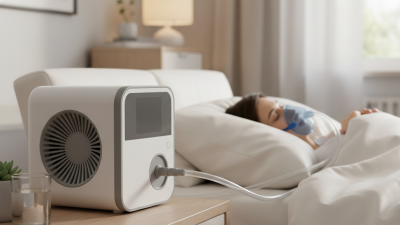
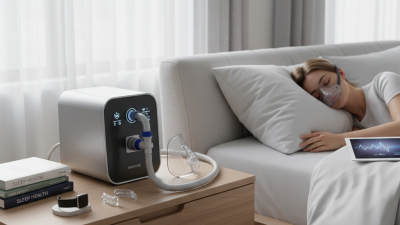
Sleep quality is a critical aspect of overall health. In recent years, sleep disorders have become increasingly prevalent. According to the American Academy of Sleep Medicine, nearly one in three adults experience sleep issues. An APAP machine provides a solution. This device adapts to your breathing patterns, ensuring optimal airflow while you sleep.
Studies show that APAP machines can improve sleep quality significantly. Research from the Journal of Clinical Sleep Medicine indicates that patients using APAP report higher satisfaction levels. These machines provide adjustable pressure settings that enhance comfort. This adaptability is crucial for effective treatment, as rigid pressure can lead to discomfort and non-compliance.
Choosing an APAP machine may seem daunting. Many individuals worry about costs and effectiveness. However, the long-term benefits, including improved energy and reduced daytime sleepiness, often outweigh initial concerns. With reliable data supporting their use, APAP machines stand out as a quality option for sleep therapy. Making an informed choice can lead to better health outcomes, improved mood, and enhanced productivity.
Understanding Sleep Disorders and Their Impact on Quality of Life
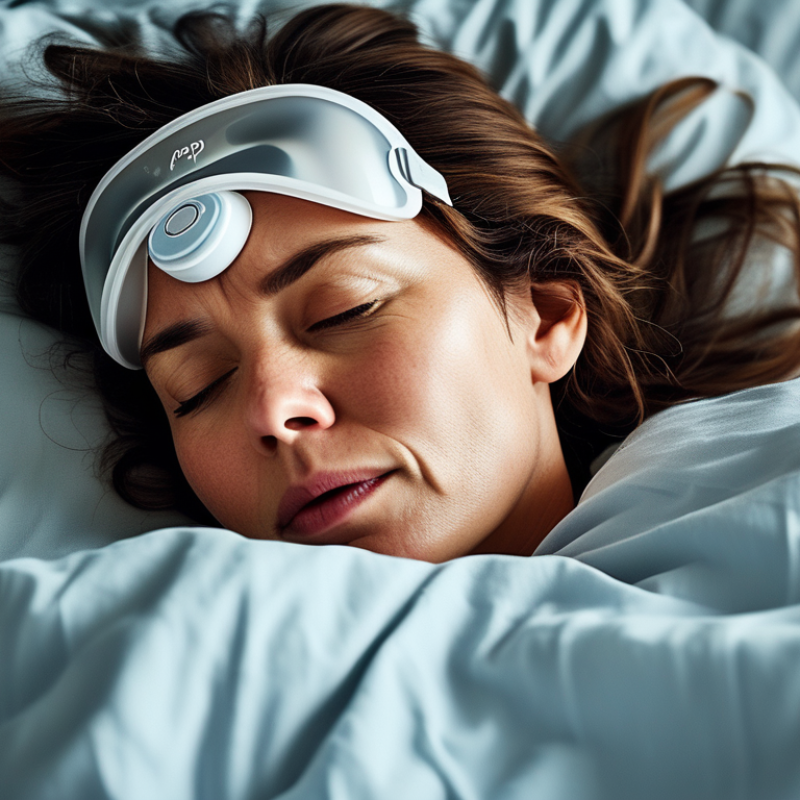
Sleep disorders affect millions globally. According to the World Health Organization, around 1 in 3 adults report sleep problems. Conditions like insomnia, sleep apnea, and restless legs syndrome disrupt sleep. The effects can be severe. Those with sleep disorders often experience fatigue, impaired cognitive function, and mood changes.
Sleep disorders also impact daily life significantly. Studies show that poor sleep can lower productivity by up to 20%. People may struggle with focus and decision-making. Health risks increase too. Chronic sleep deprivation is linked to obesity, diabetes, and cardiovascular issues. It’s vital to recognize these patterns.
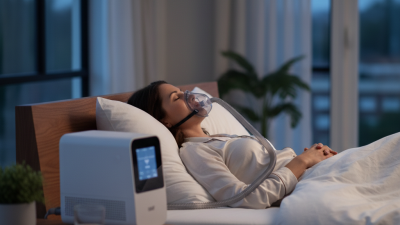
Addressing sleep issues is crucial for improving quality of life. Many turn to various solutions, including APAP machines. These devices offer continuous airway pressure, helping those with obstructive sleep apnea breathe better at night. This option may lead to more restorative sleep, enhancing daily functioning. The journey to better sleep often requires patience and the willingness to explore different treatments.
What is an APAP Machine and How Does It Work?
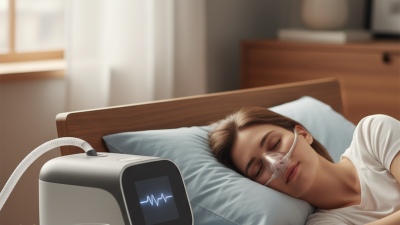
An APAP machine, or Automatically Adjusting Positive Airway Pressure machine, is designed to help individuals with sleep apnea. It monitors breathing patterns throughout the night. By delivering varying air pressure, it ensures the airway remains open. This adaptability is vital, especially since sleep apnea can present differently at various stages of sleep.
According to the American Academy of Sleep Medicine, sleep apnea affects around 25% of adults, leading to fragmented sleep. Quality sleep is crucial for overall health. Studies indicate that untreated sleep apnea can increase the risk of cardiovascular problems, obesity, and diabetes. The APAP machine's ability to make real-time adjustments allows for a more tailored therapy experience, improving adherence to treatment.
Patients often report difficulty adjusting to CPAP machines due to constant pressure settings. APAP machines can alleviate some of these issues. Research shows that about 80% of users prefer APAP over traditional CPAP settings. However, some users find it challenging to track their progress. Monitoring efficacy can be frustrating. It’s essential to work closely with healthcare providers to evaluate the treatment plan regularly. This collaboration ensures the best outcomes for enhanced sleep quality.
Why Choose an Apap Machine for Better Sleep Quality? - What is an APAP Machine and How Does It Work?
| Feature |
Description |
Benefit |
| Automatic Pressure Adjustment |
APAP machines automatically adjust the airflow pressure based on the user's needs throughout the night. |
Provides optimal therapy for various sleep apnea conditions, improving overall effectiveness. |
| Comfort Features |
Many APAP machines include features like humidifiers and quiet operation for enhanced comfort. |
Increases user compliance and satisfaction, leading to better sleep quality. |
| Data Tracking |
APAP machines can often track the user’s sleep data and report on usage and effectiveness. |
Helps both the user and healthcare providers monitor therapy effectiveness and adjust as needed. |
| Portability |
Many APAP machines are designed to be compact and easy to travel with. |
Allows users to maintain therapy and sleep quality while traveling. |
| Quiet Operation |
Modern APAP machines are engineered to minimize noise during operation. |
Reduces disturbances during sleep for both the user and bed partner. |
Benefits of Using an APAP Machine for Sleep Improvement
An APAP machine can significantly enhance sleep quality. This device adjusts air pressure automatically based on your breathing patterns. Such adaptability can lead to more restful nights, especially for those with sleep apnea. Users often experience reduced snoring and improved oxygen flow, which contribute to deeper sleep cycles.
Many report feeling more refreshed upon waking when using an APAP machine. Unlike standard CPAP machines, APAP devices offer a personalized approach. This customization can feel more comfortable, leading to consistent use. Some users initially struggle to adapt, finding the sensation of air pressure strange. However, with time, most grow accustomed to it and appreciate the benefits.
Adjusting to an APAP machine isn't always smooth. It requires patience and commitment. Those who stick with it often find their overall health improves. Better sleep can lead to increased energy and better focus during the day. While the journey to better sleep may have bumps, the potential rewards make it worthwhile.
Comparing APAP Machines with Other Sleep Therapy Options
When exploring sleep therapy options,
APAP machines stand out for their advanced technology.
They automatically adjust airflow based on the user’s needs.
This adaptability offers a personalized sleep experience that static devices can’t match.
Studies show that many users report improved sleep quality with APAP machines.
Their ability to respond to changes, like breathing patterns, is vital for effective therapy.
In contrast, traditional CPAP machines deliver a constant pressure.
While this option is effective for many, it can feel uncomfortable.
Users often struggle with the fixed airflow that doesn't cater to varying sleep stages.
Other therapies, like oral appliances, may help some.
However, they often lack the precision of APAP technology.
For those seeking comfort, APAP machines can offer a more gentle solution.
The diverse adjustments help reduce feelings of suffocation during sleep.
Yet, achieving the best results may require time to adapt.
Individuals may need to adjust their expectations and routines.
Finding the perfect balance in treatment plans can take patience and persistence.
User Experiences: Real-Life Benefits of APAP for Better Sleep Quality
Many users have found relief from sleep issues after using an APAP machine. One user noted a significant reduction in nighttime awakenings. They described how they breathed easier and felt more refreshed in the morning. Such firsthand experiences highlight the real-life benefits of APAP technology.
Another individual shared their struggle with chronic fatigue before using the device. Initially, they had concerns about the machine's noise. However, they were pleasantly surprised to find it quite discreet. After a few weeks, they felt more energetic during the day. Their productivity at work improved dramatically, showing the device's impact on overall lifestyle.
Some users do encounter challenges as well. Adjusting to a new routine can be difficult. One user mentioned that some nights were uncomfortable. They felt the need to reposition the mask frequently. This journey, while effective, may require patience and persistence. Nevertheless, the consensus on APAP machines remains largely positive among those seeking better sleep quality.