Why Choose an Auto CPAP Machine for Sleep Apnea Treatment?
In the realm of sleep apnea treatment, the Auto CPAP Machine has emerged as a revolutionary tool. Dr. Sarah Wilkins, a leading expert in sleep medicine, states, "The Auto CPAP Machine can adapt to your changing needs throughout the night." This adaptability makes it a preferred choice for many patients.
Many individuals struggle to find an effective solution for their condition. Traditional CPAP machines offer fixed pressure, which may not suit everyone. Conversely, the Auto CPAP Machine adjusts the pressure levels based on real-time monitoring. This flexibility not only enhances comfort but also significantly improves adherence to treatment.
Choosing an Auto CPAP Machine can lead to better sleep quality. Patients report feeling more refreshed and alert during the day. However, it’s vital to remember that proper usage and regular follow-ups with healthcare providers are crucial. Relying solely on the machine without professional guidance may undermine the potential benefits.
Benefits of Using an Auto CPAP Machine for Sleep Apnea
When it comes to sleep apnea treatment, an Auto CPAP machine offers several noteworthy benefits.
One significant advantage is its ability to adjust pressure levels automatically.
This feature allows the machine to respond to changes in your breathing patterns throughout the night.
For many users, this results in better sleep quality and a more comfortable experience.
Another benefit is the machine's data tracking capability.
It provides valuable insights into your sleep patterns and apnea events.
Monitoring these details can help healthcare providers fine-tune treatment plans more effectively.
Often, users report feeling more alert and refreshed after using these machines.
It's essential to consider that while Auto CPAP machines can significantly improve your experience, they may not work perfectly for everyone.
Some users may struggle with mask discomfort or difficulties in adapting to the machine's sounds.
Adjusting to a new routine can take time, and not every night will feel perfect.
However, the potential benefits in oxygen flow and reduced apnea events make them a worthwhile option for many.
How Auto CPAP Machines Work to Improve Sleep Quality
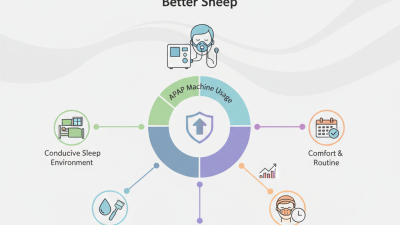
Auto CPAP machines offer a unique approach to treating sleep apnea. These devices automatically adjust air pressure throughout the night. They respond to changes in breathing patterns. This adaptability enhances comfort and ensures effective airway management.
Data from the American Academy of Sleep Medicine shows that approximately 25 million adults in the U.S. suffer from obstructive sleep apnea. Traditional CPAP devices often provide a fixed pressure, which can sometimes feel uncomfortable. In contrast, auto CPAP machines can reduce the pressure during lighter sleep phases. This variation can lead to improved sleep quality and higher compliance rates among users.
Additionally, studies indicate that patients using auto CPAP machines report better satisfaction rates. A survey revealed that 70% of users experienced fewer sleep disturbances. The ability to fine-tune air pressure allows these machines to minimize discomfort, but they can still present a learning curve. Some users may find it challenging to adapt to the auto-adjusting feature. Over time, they may need to reassess their comfort and sleep patterns to maximize the benefits.
Why Choose an Auto CPAP Machine for Sleep Apnea Treatment? - How Auto CPAP Machines Work to Improve Sleep Quality
| Feature |
Description |
Benefits |
| Auto-Adjusting Pressure |
Automatically adjusts air pressure based on the user's needs. |
Provides optimal therapy and comfort throughout the night. |
| Integrated Humidifier |
Allows for adjustable humidity levels to reduce dryness. |
Enhances comfort and prevents discomfort in airways. |
| Data Tracking |
Tracks usage data and sleep patterns over time. |
Helps users and healthcare providers monitor progress and adjust therapy. |
| Quiet Operation |
Designed for low noise levels during operation. |
Allows for a more restful sleep environment. |
| User-Friendly Interface |
Easy to read and adjust settings as needed. |
Makes it convenient for users to optimize their treatment. |
Comparison of Auto CPAP and Traditional CPAP Machines
Auto CPAP machines are revolutionizing sleep apnea treatment. These devices automatically adjust pressure levels based on a patient’s breathing patterns. In contrast, traditional CPAP machines deliver a constant pressure. According to a study published in the "American Journal of Respiratory and Critical Care Medicine," nearly 70% of patients prefer auto CPAP due to its flexibility and comfort.
The adaptability of auto CPAP machines means they can respond in real-time. If a patient’s airway collapses or obstructs, the machine increases the pressure. A 2022 report by the Centers for Disease Control and Prevention indicated that patients using auto CPAP experience a significant reduction in AHI (Apnea-Hypopnea Index) scores. This offers hope for those struggling with compliance.
Many users have reported discomfort with traditional CPAP settings. They often feel pressure is too high or too low during therapy. This can lead to reduced adherence. In contrast, auto CPAP machines provide a more personalized experience. However, there are concerns. Some patients may find the variability disconcerting. Ensuring consistent therapy is key, yet the adjustment ability presents both innovation and uncertainty for users.
Auto CPAP vs. Traditional CPAP: A Comparative Analysis
Key Features to Look for in an Auto CPAP Machine
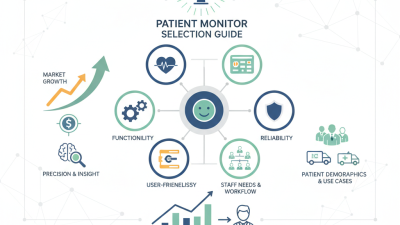
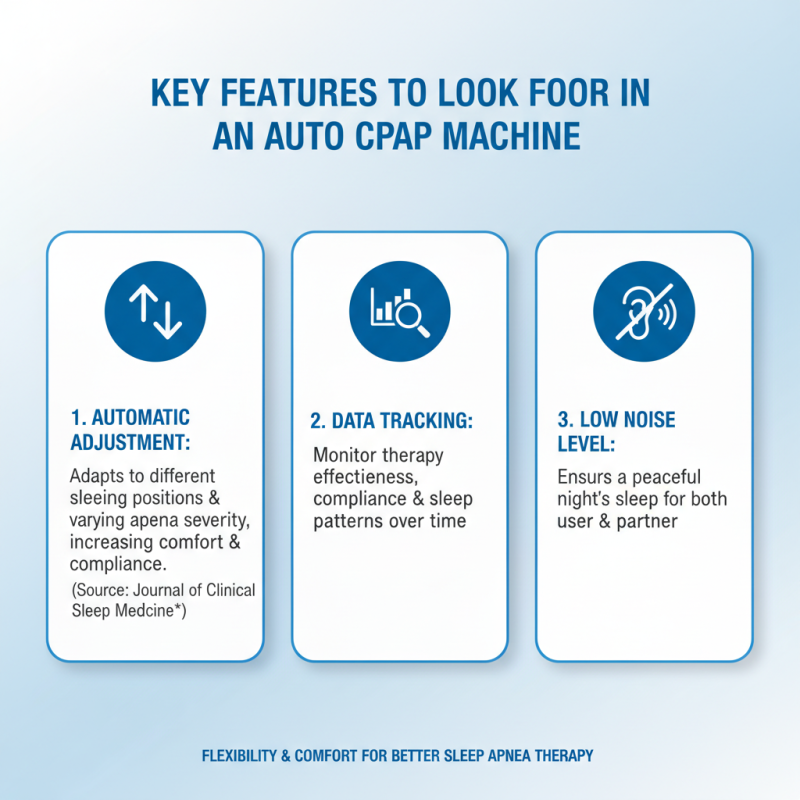
When considering treatment for sleep apnea, an auto CPAP machine can offer flexibility and comfort. Key features to look for include pressure adjustment, data tracking, and noise level. A study published in the *Journal of Clinical Sleep Medicine* found that auto CPAP users experienced greater comfort due to automatic pressure adjustments, leading to higher compliance rates. This adaptability is crucial for different sleeping positions and varying apnea severity during the night.
Data tracking is another essential feature. Devices that log usage hours, pressure settings, and apnea events can provide valuable insights. A report by the American Academy of Sleep Medicine emphasizes the importance of regular monitoring for improving treatment outcomes. These logs aid healthcare providers in assessing the patient’s condition more effectively.
Noise levels may seem trivial, yet they play a significant role in user experience. Machines that operate quietly are less likely to disrupt sleep patterns. A study in *Sleep Research* indicates that excessive noise can contribute to sleep disturbances, affecting overall health. It's vital to search for models that maintain a low decibel level to ensure restful sleep. Inadequate attention to these features could hinder your treatment journey.
Tips for Choosing the Right Auto CPAP Machine for Your Needs
When considering an auto CPAP machine for sleep apnea treatment, it’s crucial to understand your unique needs. These machines automatically adjust the air pressure throughout the night, providing comfort and preventing interruptions in your breathing. Comfort is essential for compliance. Choose a model that offers a range of pressure settings tailored to your situation. Look for features like a ramp function which gradually increases pressure, allowing for easier adaptation.
Another important factor is the device's noise level. A quiet machine ensures a restful night not just for you, but also for your bed partner. Check user reviews for insights into how a device operates during sleep. Portability is another consideration, especially if you travel frequently. Some machines are lightweight and easy to transport, while others may be bulkier. Assess your travel habits before making a decision.
Lastly, don’t overlook the importance of support and education. Working with a healthcare professional can guide you in selecting the right machine. A knowledgeable provider will evaluate your specific condition and discuss the necessary features. Engaging with community resources or patient groups can also provide shared experiences, enabling you to make a more informed choice. Balancing these aspects requires thought and reflection, ensuring you select the best auto CPAP machine for your peace and health.