How to Choose the Best Portable Oxygen Concentrator for Travel?
Traveling with a portable oxygen concentrator can be life-changing for those requiring supplemental oxygen. Selecting the right Portable Oxygen Concentrator for Travel is crucial. It impacts both comfort and mobility. As you embark on your journey, consider several key factors to make the best choice.
Understanding your specific oxygen needs is vital. Not all portable concentrators offer the same output or battery life. Some models are lightweight, but may not provide sufficient oxygen flow. Researching these specifications is important. It will help you avoid the disappointment of an unsuitable device.
Additionally, user reviews play a significant role in decision-making. Listening to others' experiences can highlight potential challenges you might overlook. Even after gathering information, not every model will meet your expectations. You may discover the perfect device but later find it lacks the desired features. Take time to reflect on your mobility, travel destinations, and personal health needs. The right Portable Oxygen Concentrator for Travel can greatly enhance your experiences and allow you to journey with confidence.
Understanding Your Oxygen Needs for Travel
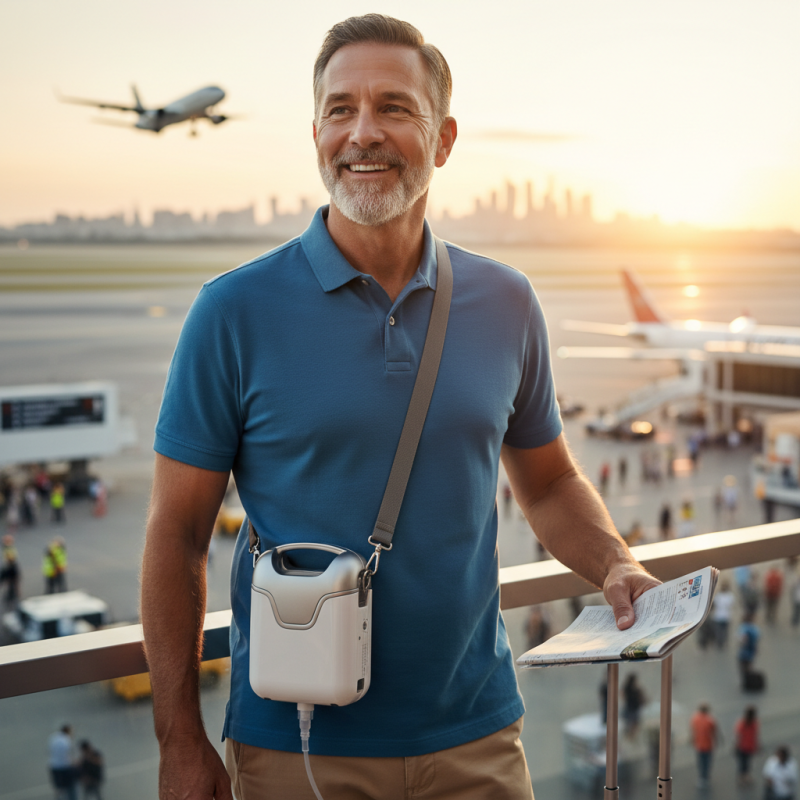
Traveling with a portable oxygen concentrator requires a clear understanding of your oxygen needs. Each person's requirements vary based on health conditions, activity levels, and altitude changes. For instance, a person with COPD may need a higher flow rate during strenuous activities. Conversely, someone with asthma might manage well at lower settings. It's crucial to consult your doctor for personalized advice.
Consider the environmental factors that affect oxygen levels while traveling. Higher altitudes can reduce oxygen availability, impacting those who need assistance. Regular monitoring of your symptoms is necessary. Bring a pulse oximeter to check your oxygen saturation, especially after arriving at a new location. This awareness can help you make adjustments to your concentrator settings as needed.
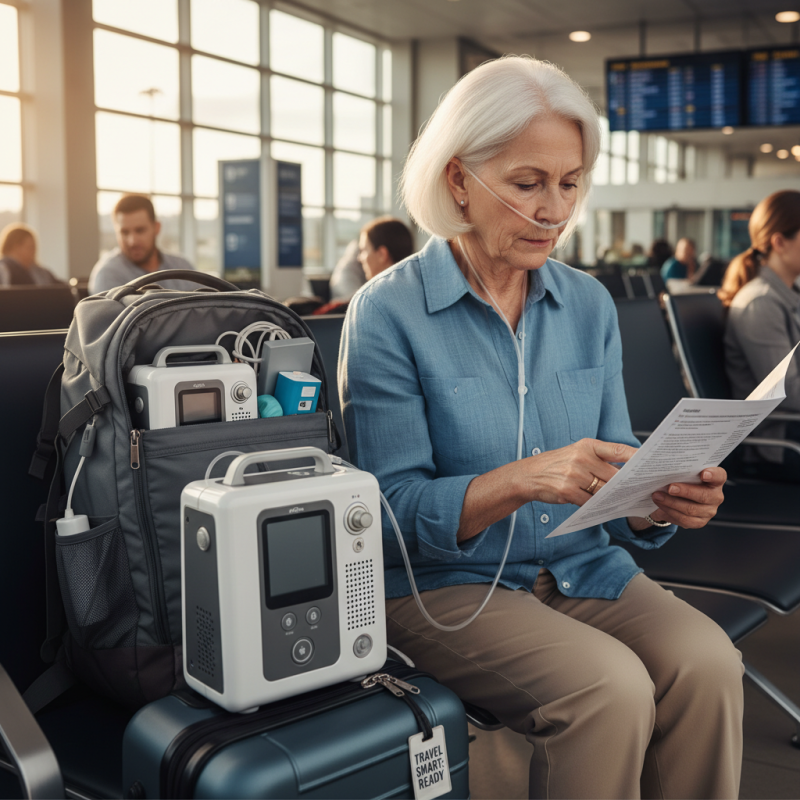
Familiarize yourself with your oxygen equipment before traveling. Practice using it in diverse environments and for extended periods. This practice helps build confidence, reducing anxiety during your travels. Be mindful that support systems, like extra batteries and backup plans, may sometimes fall short. Planning comprehensively is vital, but flexibility in your expectations can lead to a smoother travel experience.
Key Features to Look for in a Portable Oxygen Concentrator
When selecting a portable oxygen concentrator (POC) for travel, key features matter significantly. The weight of the device is crucial. Studies indicate that a POC should ideally weigh under 5 pounds for easy portability. Most users find models around 3-4 pounds are manageable, allowing better mobility during travel. Look for a device that is compact, as size influences both storage and ease of use in tight spaces.
Battery life is another vital feature. A reliable POC should last at least 4 hours on a single charge. Research shows that short battery life forces travelers to plan their activities around charging schedules. Customers often express frustration when their device runs out of juice unexpectedly. Additionally, a POC should offer multiple flow settings. Flexibility can ensure users get the required oxygen levels, depending on activity level and altitude. Devices with adjustable settings are more versatile for diverse travel scenarios.
Noise level is often overlooked but essential. Many portable oxygen devices produce noise, which can disrupt the peace of travel. Reports show that quieter models enhance user satisfaction significantly. Those with high noise levels may cause embarrassment in public settings. Users should also consider warranty and support. Having access to reliable customer service can alleviate stress if any issues arise during travel. Keeping these features in mind promotes a more enjoyable travel experience.
Comparing Different Types of Portable Oxygen Concentrators
When choosing a portable oxygen concentrator (POC) for travel, understanding the types available is crucial. Generally, there are two main types: pulse dose and continuous flow concentrators. Pulse dose models deliver oxygen only when you inhale, making them more battery efficient. This can be ideal for those looking to conserve battery life during long trips. Continuous flow models provide a steady stream of oxygen, which may be better suited for those with higher oxygen needs.
According to the American Thoracic Society, a patient’s oxygen requirements can vary significantly, with some needing as much as 6 liters per minute (LPM). This data highlights the importance of tailoring your choice to your specific needs. Evaluate your oxygen prescription and daily activities to find the most suitable concentrator.
**Tips:** Prioritize weight and battery life when selecting a POC. Models under 5 pounds are easier to carry. Always check the manufacturer's guidelines regarding travel restrictions. Additionally, keep in mind that not all airlines have the same rules for POCs. Researching these before your trip can help avoid complications. Each travel situation is unique, and a one-size-fits-all solution rarely meets everyone’s needs. Consider trying different models to experience their capabilities, ensuring the best match for your lifestyle.
Comparative Analysis of Portable Oxygen Concentrators for Travel
This bar chart illustrates the key specifications of various portable oxygen concentrators. The dimensions compared are weight, battery life, and oxygen output, which are crucial factors to consider when choosing a portable oxygen concentrator for travel.
Evaluating Battery Life and Portability for Travel Use
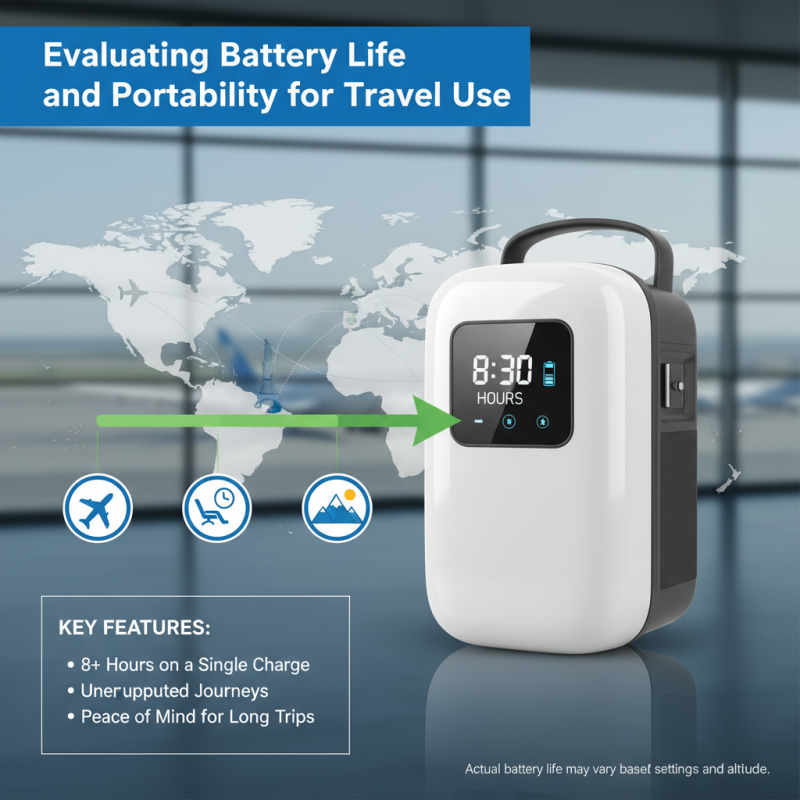
When choosing a portable oxygen concentrator for travel, battery life is a key factor. Longer battery life ensures that you can travel without interruptions. Look for models that offer at least eight hours of usage on a single charge. This gives you peace of mind during long journeys or layovers. However, remember that actual battery life can vary based on settings and altitude.
Portability is another crucial element. Consider the weight and dimensions of the device. A lightweight model makes it easier to carry around. Check how compact it is when packed. Many devices come with carrying cases or wheels, enhancing mobility. It's also wise to test how easy it is to set up. Some models require complicated adjustments that may be frustrating while traveling.
Reflect on your travel habits. Do you often visit places with limited power outlets? If yes, having a unit with a car charger can be beneficial. Not all devices are created equal; some may not perform well in high-demand situations. Analyze your priorities. Reliability is vital, but don't overlook your comfort while using the device. Make choices that align with your specific needs and lifestyle.