How to Choose the Smallest Portable Oxygen Concentrator for Travel
Traveling with a Smallest Portable Oxygen Concentrator can greatly enhance your mobility and comfort. Many people rely on these devices for their daily activities. However, choosing the right one requires careful consideration. The market offers various models, each with unique features.
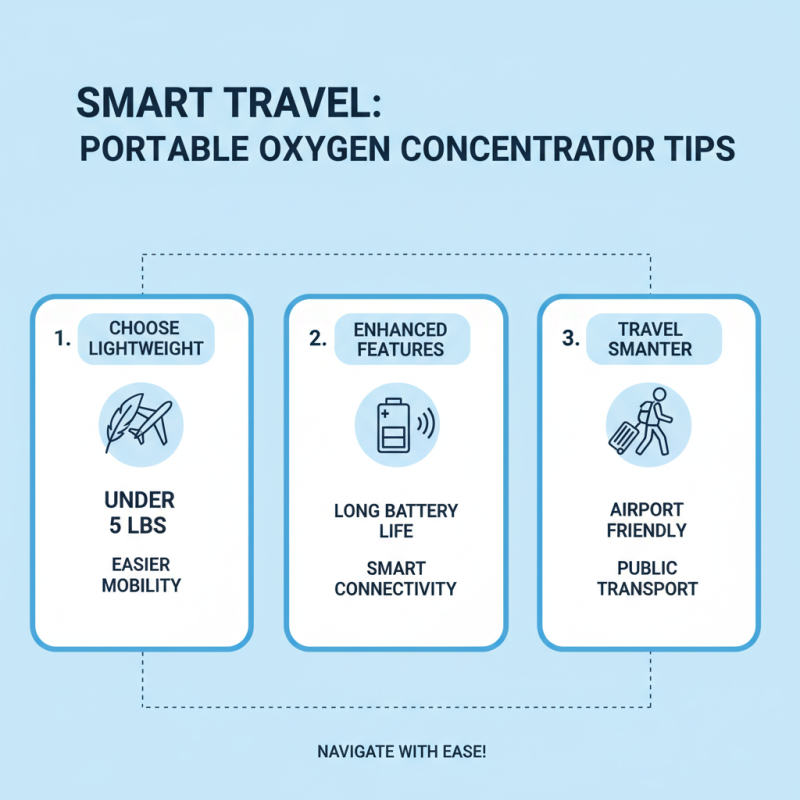
When selecting the smallest portable oxygen concentrator, size is often a crucial factor. Compact designs ensure ease of transportation. Weight also plays a significant role. A lighter device means less strain during travel. It's essential to consider battery life, too. A longer-lasting battery can provide peace of mind.
It can be overwhelming to navigate through many options. Not every feature may suit your needs. The ideal concentrator balances size, weight, and functionality. Reflect on your specific requirements. Prioritize what matters most for your travels. There may be trade-offs to ponder as you make your decision.
Understanding Portable Oxygen Concentrators for Travel
Traveling with a portable oxygen concentrator can enhance your experience. It ensures you have the oxygen you need, wherever you go. Portable units differ significantly in size, weight, and design. The right choice depends on your individual needs and travel plans. Consider your oxygen flow requirements. Are you using it for activities or just at rest? Knowing this will guide your decision.
Battery life is crucial too. Some models offer several hours of operation, but they may weigh more. Lightweight options are easier to carry but may require frequent recharging. Imagine hiking on a mountain trail, only to find your oxygen runs out. Ensure the device matches your lifestyle. Don’t overlook the noise level; quieter units are preferable in crowded spaces.
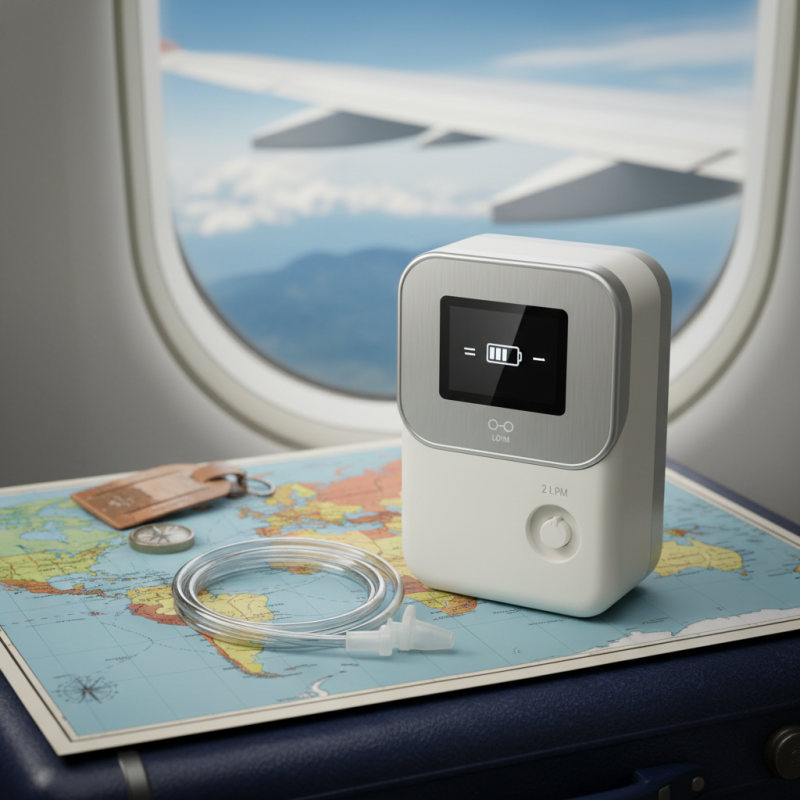
Packing a portable concentrator is not always straightforward. Ensure it fits in your luggage comfortably. Airlines may have specific requirements about size and weight. Reflect on your travel routines. Will you face long layovers? If so, a unit with longer battery life is ideal. Consider how often you will need to stop and recharge. Balancing convenience and functionality is vital for a stress-free journey.
Factors to Consider When Choosing a Small Oxygen Concentrator
When selecting a small portable oxygen concentrator, there are several factors to keep in mind. Size and weight are crucial. A unit that is too heavy can be challenging to carry during travel. You want something lightweight and compact. Consider how it fits into your luggage. Measure dimensions carefully to avoid surprises.
Battery life plays a vital role. Longer battery life means less frequent charging, especially on long trips. Look for models that allow for dual power sources. This adds versatility while traveling. Noise level is another important aspect. A loud machine can disrupt your peace in quiet environments. Personal comfort with the device is essential.
Lastly, check the oxygen output. This varies by individual need. Some might need higher flow rates. Be realistic about your requirements. It's better to have a device that exceeds your needs, rather than one that falls short. Always ask yourself if the features meet your lifestyle demands without hindrance.
Comparison of Portable Oxygen Concentrators by Weight and Battery Life
Comparing Weight and Size of Top Portable Options
Choosing the right portable oxygen concentrator (POC) is essential for travel. It's crucial to find one that fits your needs while being lightweight and compact. Many models weigh between 2 and 10 pounds. A heavier unit might be cumbersome during long journeys. Smaller devices can easily fit into carry-ons or backpacks, making them ideal for traveling.
When selecting a POC, pay attention to the dimensions. Some units can be as small as a loaf of bread. This size can affect how discreetly you can travel. Also, consider the battery life. A small unit may have a reduced capacity. You might find yourself needing to recharge more often.
**Tips:** Always check the specifications before buying. Look for a model that offers both continuous flow and pulse dose options. It can help tailor the oxygen delivery to your needs. Also, think about accessories. A carrying case or backpack can make transport easier. Make sure to compare several models to find the best fit for your lifestyle.
How to Choose the Smallest Portable Oxygen Concentrator for Travel - Comparing Weight and Size of Top Portable Options
| Model |
Weight (lbs) |
Size (inches) |
Battery Life (hrs) |
Flow Rate (L/min) |
| Model A |
5.5 |
9 x 6 x 12 |
5 |
1-3 |
| Model B |
6.0 |
10 x 7 x 14 |
4 |
2-4 |
| Model C |
4.8 |
8 x 5 x 11 |
6 |
1-5 |
| Model D |
5.2 |
11 x 8 x 13 |
7 |
1-4 |
Battery Life and Durability for Travel Purposes
When choosing a portable oxygen concentrator, battery life is crucial for travelers. Look for a model with a long-lasting battery. It should support extended use during flights or road trips. Regular trips might require recharging options, so seek models that allow charging on-the-go. Ensure that the battery can be easily replaced if necessary.
Tips: Check battery specifications before buying. A concentrator with a dual battery system offers increased convenience. Also, consider the weight. Lightweight options are easier to carry, especially during transfers.
Durability matters too. Traveling often means exposure to various conditions. A robust design can withstand bumps and jostles. Look for devices that have a rugged exterior. Choosing one with an extended warranty could indicate the reliability of the product. Remember, a durable concentrator saves money in the long run.
Consider your travel habits. If you often fly, confirm the oxygen concentrator's compatibility with airline requirements. Research specific needs to avoid future inconveniences. Your comfort and safety should always be the priority when selecting a model.