10 Essential Tips for Choosing Your Blood Pressure Monitor
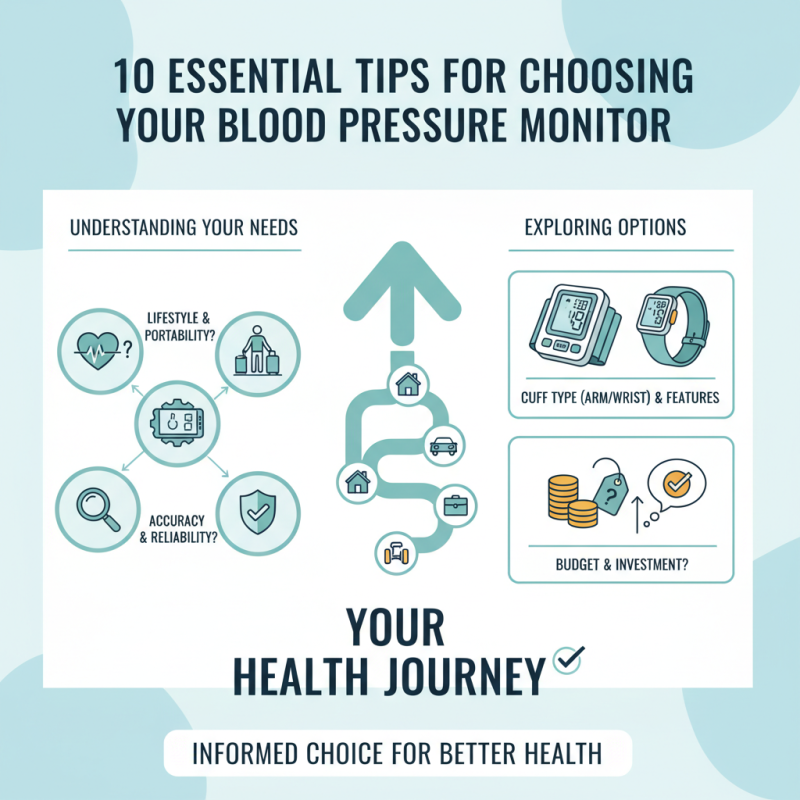
Choosing a Blood Pressure Monitor can be overwhelming. There are many options on the market. Each monitor comes with different features and price points. It’s crucial to select one that fits your needs.
A reliable Blood Pressure Monitor is an investment in your health. Proper monitoring can help detect issues early. Many people, however, struggle with understanding the features. Some monitors require complex setups, while others are user-friendly. This variation can make selecting the right device challenging.
Consider your lifestyle and preferences. Do you travel often? Then a portable model may work best for you. It’s essential to reflect on what matters most. You might also find that some brands have better accuracy than others. Keep in mind that not all monitors are created equal. Choosing the right one is a journey worth taking.
Understanding Blood Pressure Monitors: Types and Features
When selecting a blood pressure monitor, understanding the types and features is crucial. There are two main types: manual and automatic monitors. Manual monitors require a stethoscope and practice to interpret readings accurately. They can be challenging for some users, but they offer precise measurements. Automatic monitors, on the other hand, are user-friendly and provide quick readings at the push of a button. This can be beneficial for those who may struggle with the manual method.
One important tip is to check for features like memory storage. Monitors with memory can save past readings, allowing you to track your blood pressure over time. This is especially useful if you need to share the information with a healthcare provider. Another feature to consider is cuff size. A proper fit is essential for accurate readings. An ill-fitting cuff can lead to misleading results, causing unnecessary worry.
Think about ease of use. Some monitors have large displays that make it easier to read results. Others have voice announcements, which help those with visual impairments. Reflect on your needs and preferences. Not all monitors are created equal, so choose one that works best for you.
Key Factors to Consider When Choosing a Blood Pressure Monitor
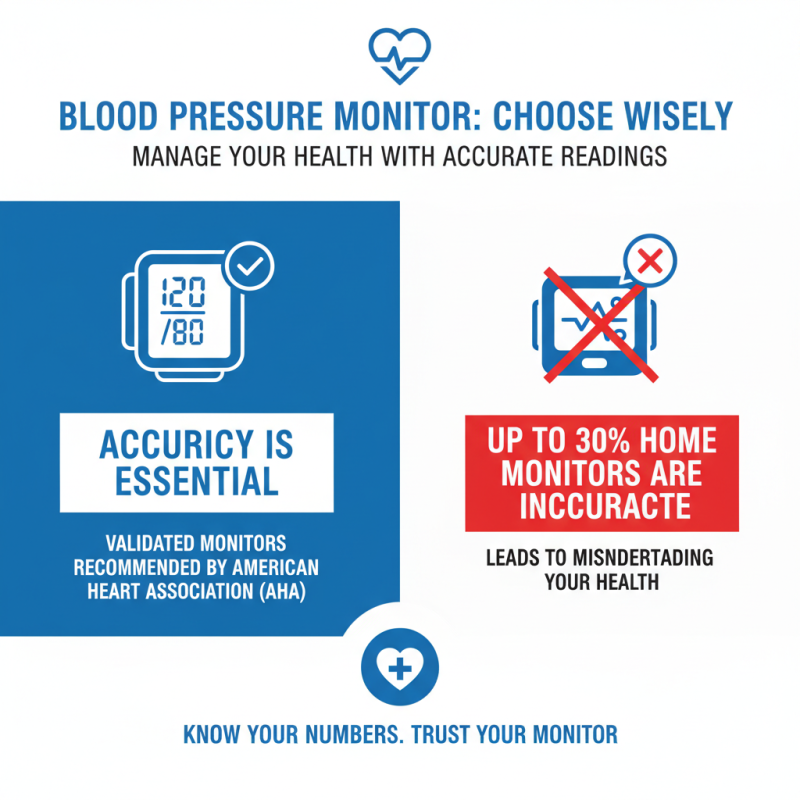
Choosing the right blood pressure monitor is crucial for effective health management. One key factor is accuracy. Look for monitors that have been validated for their accuracy. Clinical validation means they have been tested against standards. This ensures you get reliable readings.
Another important consideration is cuff size. Monitors come with different cuff sizes. An ill-fitting cuff can lead to incorrect readings. Make sure to measure your arm circumference. This way, you can select a monitor that fits perfectly. A too-tight or too-loose cuff can compromise your results.
Ease of use should also guide your choice. Some models are more user-friendly than others. Check for features like large displays and intuitive controls. Complex settings can create confusion. A monitor that involves multiple steps may not be ideal for daily use. Look for simplicity as you make your decision.
10 Essential Tips for Choosing Your Blood Pressure Monitor
| Factor |
Description |
| Accuracy |
Select a monitor that is clinically validated for accuracy to ensure reliable readings. |
| Type of Monitor |
Choose between manual or automatic monitors depending on your comfort and preference. |
| Cuff Size |
Ensure the cuff fits correctly to obtain accurate readings and avoid discomfort. |
| Ease of Use |
Choose a monitor with simple controls and clear instructions to facilitate usage. |
| Display |
Opt for a model with a large, backlit display for easy reading of the results. |
| Memory Storage |
Choose a monitor that can store multiple readings to track blood pressure over time. |
| Portability |
Consider a lightweight monitor for convenience when traveling. |
| Battery Life |
Examine the battery longevity to avoid frequent replacements or recharging. |
| Price |
Assess your budget and find a monitor that balances cost with quality and features. |
User-Friendly Features That Enhance Blood Pressure Monitoring
When selecting a blood pressure monitor, user-friendly features can significantly enhance your monitoring experience. Look for monitors with large, clear displays. Studies show that most people prefer screens that display numbers in easy-to-read formats. A monitor should allow you to see your readings without straining your eyes. Additionally, voice assistance is a valuable feature for the visually impaired. Approximately 6.6 million Americans have vision impairments.
The ability to store multiple readings is another important factor. Many monitors can hold data for two or more users. This feature helps track trends over time. An American Heart Association report noted that consistent monitoring is crucial for accurate blood pressure management. Meanwhile, a one-button operation is ideal for seniors. It reduces confusion and enhances usability. Complicated functions can lead to errors and frustration.
Look for a device that offers Bluetooth connectivity as well. This allows easy syncing with smartphones and health apps. Some studies highlight how tech integration can lead to better health outcomes. However, over-reliance on technology can be problematic. Regular manual checks are still necessary for accuracy. Balance high-tech features with simplicity to ensure reliability.
10 Essential Tips for Choosing Your Blood Pressure Monitor
Understanding key features in blood pressure monitors can greatly enhance your monitoring experience. Below is a chart that illustrates the most desired features based on a recent survey:
Budgeting for a Reliable Blood Pressure Monitor: What to Expect
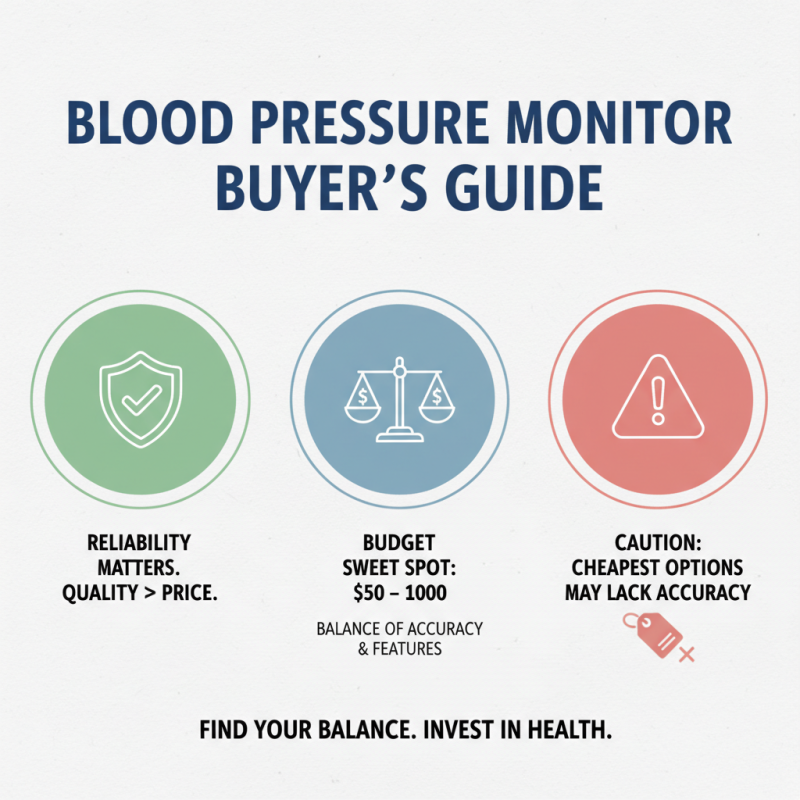
When budgeting for a reliable blood pressure monitor, set aside a reasonable amount based on your needs. High-quality monitors aren’t always the most expensive. However, be cautious: the cheapest options may lack accuracy. It’s vital to find balance. A monitor priced between $50 to $100 often offers a good mix of reliability and features.
Consider additional costs, like batteries or replacement cuffs. Some monitors may require specific accessories that can add to the overall expense. It's worth assessing warranty options too. A product with a solid warranty can save you money in the long run.
Researching customer reviews can reveal hidden issues. Look for complaints about longevity or accuracy. Sometimes, products appear perfect but disappoint in real-world use. Take the time to think about how often you'll use it. Casual users may not need advanced features. Relying on a basic model could suffice. Ultimately, keep your health priorities in mind while ensuring you don’t overspend.