10 Essential Tips for Choosing the Right Sleep Apnea Devices
Choosing the right Sleep Apnea Devices is crucial for better health. Sleep apnea affects millions, often disrupting sleep patterns. The right device can enhance comfort and promote restful nights.
When selecting a device, consider comfort and effectiveness. Each device is different, tailored to specific needs. It's vital to consult with a healthcare professional. They can guide you through the options available. Personal preferences play a role too. Test various devices to find what feels right.
Awareness of potential challenges is necessary. Some may find devices cumbersome or difficult to use. Regular adjustments might be needed. Reflect on these factors as you explore your choices. Prioritizing comfort and functionality will lead to better sleep quality.
Understanding Sleep Apnea: Types and Symptoms to Consider
Sleep apnea affects millions, yet many remain unaware of its signs. Recognizing the types of sleep apnea is crucial.
Obstructive sleep apnea (OSA) is common. It happens when throat muscles relax too much during sleep.
Central sleep apnea, on the other hand, involves the brain failing to send proper signals to control breathing.
Complex sleep apnea syndrome combines both.
Symptoms vary widely. Loud snoring is often a telltale sign of OSA. Frequent waking, gasping for air, or choked sounds may occur.
Daytime fatigue and difficulty concentrating are common complaints. Not everyone shows the same symptoms, so understanding these variations is essential.
Many people overlook their symptoms. Some dismiss excessive daytime sleepiness as a normal part of life.
This lack of awareness can lead to severe health impacts, such as cardiovascular issues.
Keeping a sleep diary can help track symptoms over time. Consulting a healthcare professional is crucial for a proper diagnosis.
Consider evaluating your sleep habits honestly. Aim for clarity rather than self-doubt.
Comparative Analysis of Common Sleep Apnea Treatments
When it comes to sleep apnea treatments, understanding your options is critical.
Continuous Positive Airway Pressure (CPAP) machines are widely used. They deliver a constant stream of air to keep airways open.
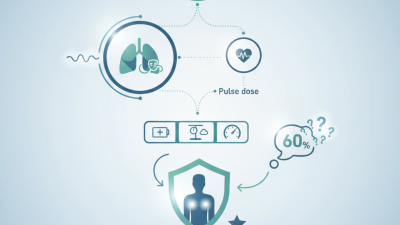
Studies show that around 60% of patients find relief from daytime sleepiness with CPAP use. However, compliance can be an issue.
Many people struggle to wear the mask consistently, which limits effectiveness.
Oral appliances are an alternative for many. Designed to reposition the jaw, they can be a practical option for mild to moderate sleep apnea.
Research indicates that approximately 50% of patients prefer them due to comfort and ease of use.
Yet, they may not be effective for severe cases. Moreover, there are side effects, including jaw discomfort or long-term dental changes that need consideration.
Surgery is another route, often viewed as a last resort. Procedures aim to remove excess tissue or correct structural issues.
Success rates vary widely by individual, with some studies suggesting a rate of only 40-60%.
As patients explore these choices, reflecting on personal comfort and lifestyle is essential.
Each option has its pros and cons, and finding the right fit often requires a process of trial and reflection.
Key Features to Look for in CPAP Machines and Alternatives
When selecting a sleep apnea device, understanding key features is essential.
CPAP machines remain a popular choice due to their proven effectiveness. Data from the American Academy of Sleep Medicine indicates that CPAP therapy can reduce apnea events by over 80%.
A key feature to look for is the machine's pressure settings.
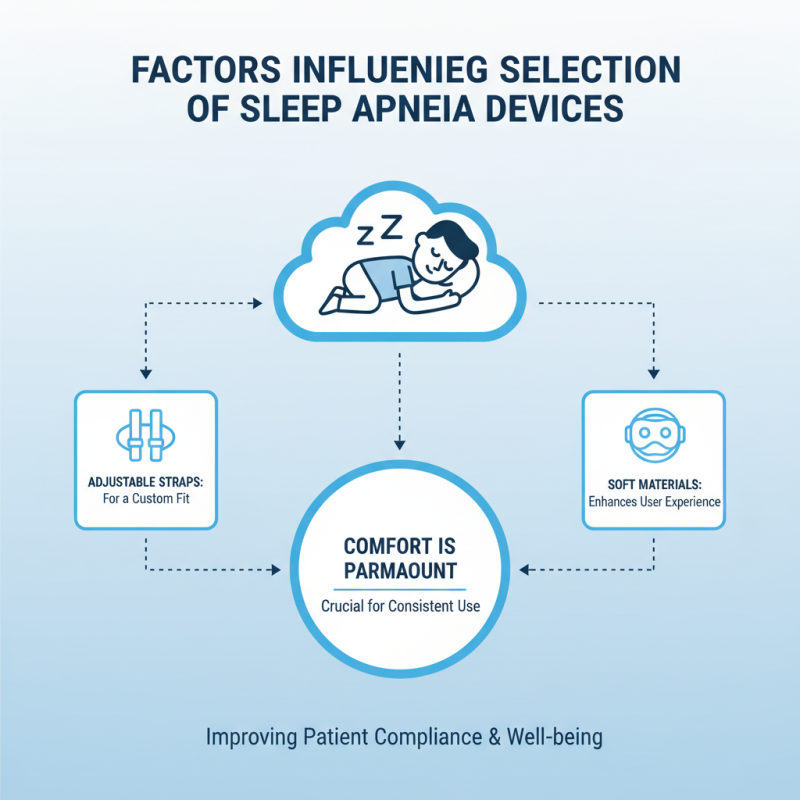
Adjustable pressure can enhance comfort. Many models also include a ramp feature, which gradually increases air pressure. This can help users fall asleep faster.
Another consideration is mask fit. A snug mask reduces air leaks, thereby improving effectiveness. Masks come in various styles, including nasal and full-face options.
The right fit reduces discomfort and promotes better adherence to therapy. Additional features like humidifiers can also enhance comfort by preventing dryness.
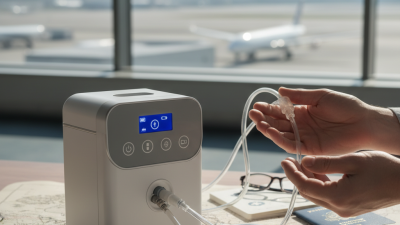
Portability is worth noting. For frequent travelers, lightweight machines with a compact design are advantageous.
A recent survey from the Sleep Research Society showed that 30% of patients prefer travel-friendly devices for ease of use.
Ultimately, trying different devices and configurations can lead to a more personalized and effective sleep apnea treatment. Your comfort is vital for effective therapy.
Consultation with Healthcare Providers for Device Recommendations
When considering sleep apnea devices, consulting healthcare providers is crucial. They possess the expertise to recommend devices that suit individual needs. Every person's condition is unique, and a one-size-fits-all approach may not work. Healthcare professionals can help navigate the overwhelming options available in the market.
During consultations, be open about symptoms and lifestyle. Discuss sleep patterns, severity of apnea, and any other relevant health issues. This information allows providers to make informed recommendations. Some patients may feel nervous or unsure when discussing personal health. It's natural, and addressing these concerns can lead to better device choices.
Additionally, it's important to ask questions. Inquire about the benefits and drawbacks of suggested devices. Understand how each option may impact your daily routine and sleep quality. Reflect on past experiences with treatments. This reflection may highlight what has or hasn't worked for you. Ultimately, collaborating with a healthcare provider can lead to a more tailored and effective approach to managing sleep apnea.
Comparison of Popular Sleep Apnea Devices
This chart compares the effectiveness and user satisfaction ratings of various sleep apnea devices based on surveys from healthcare providers. The ratings range from 1 to 5, with 5 being the highest satisfaction level.