10 Essential Tips for Using a Blood Pressure Monitor Effectively
Using a Blood Pressure Monitor effectively is vital for managing health. According to the American Heart Association, about 47% of adults suffer from hypertension. This alarming statistic highlights the importance of accurate monitoring. Dr. Sarah Thompson, a leading expert in cardiovascular health, emphasizes, “Regular use of a Blood Pressure Monitor can save lives.”
Many people struggle with proper monitoring techniques. Misunderstanding how to use these devices can lead to erroneous readings. For example, using a monitor on a wrist can yield less accurate results compared to upper-arm devices. It's essential to be aware of your surroundings; stress, distractions, and posture can all affect readings.
Understanding these factors is key. A Blood Pressure Monitor should be viewed as a crucial tool for health management. However, users often overlook the importance of calibration and maintenance. Regular checks can ensure that the device remains reliable. As we dive into essential tips, we will explore how to maximize the benefits of this crucial health gadget.
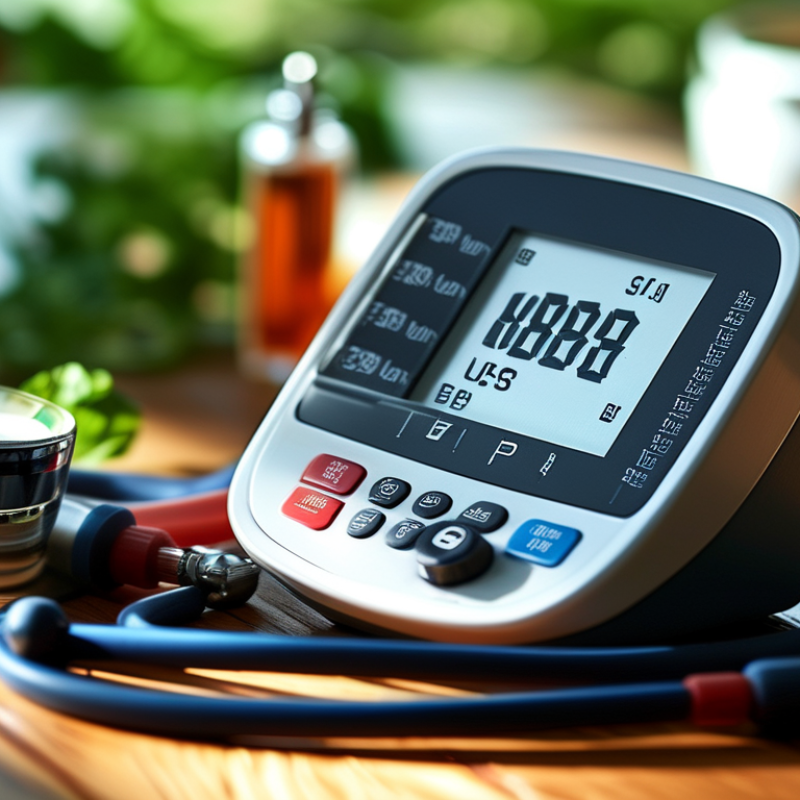
Choosing the Right Blood Pressure Monitor for Your Needs
When selecting a blood pressure monitor, consider your specific health needs. Research indicates that about 47% of adults in the U.S. have high blood pressure, making monitoring crucial. A study published in the Journal of Clinical Hypertension found that home monitoring can help in better managing this condition. However, choosing the right device is essential for accurate readings.
Digital monitors are user-friendly but may lack accuracy if not calibrated correctly. In contrast, manual monitors can be more reliable. According to a report by the American Heart Association, an incorrectly sized cuff can lead to misdiagnosis in nearly 30% of people. This highlights the importance of selecting a device that fits your arm size comfortably.
Regular checks on consistency and functionality of the monitor enhance reliability. Research also shows that monitors with Bluetooth connectivity help users track their readings more effectively. Yet, while technology can help, it is vital to understand how to use these devices properly. Training is often necessary, as improper use may lead to a false sense of security regarding blood pressure management.
Understanding Normal and Abnormal Blood Pressure Ranges
Monitoring blood pressure is vital for health. Understanding what constitutes normal and abnormal ranges can aid in identifying potential health risks. According to the American Heart Association, normal blood pressure is generally defined as anything below 120/80 mmHg. Hypertension, or high blood pressure, begins at 130/80 mmHg. Regularly checking your blood pressure can help detect these changes early.
When using a blood pressure monitor, accuracy is crucial. Ensure you're seated properly with your back supported, feet flat on the ground. Relax for at least five minutes before taking a reading. Consistent conditions can yield more reliable results.
Tracking your readings over time can reveal patterns. If you notice fluctuations, consult a healthcare professional. It’s essential to note any lifestyle changes that may impact your blood pressure, such as diet or exercise habits. Keeping a log helps in understanding your health better and aids in discussions with doctors.
Remember, taking medication as prescribed is important if you have a diagnosed condition. The Centers for Disease Control and Prevention estimate that nearly half of Americans living with high blood pressure are not managing it effectively. This highlights the importance of regular monitoring and professional guidance.
Blood Pressure Levels Over Time
This chart displays the systolic and diastolic blood pressure readings over a two-week period. The normal range for blood pressure is considered to be between 90/60 mmHg and 120/80 mmHg. Consistent readings above this range may indicate hypertension, while readings below may indicate hypotension.
Preparing for Accurate Measurements: Key Pre-Testing Steps
Preparing for a blood pressure test is crucial for obtaining accurate readings. Before you measure, ensure you are relaxed. Sit quietly for at least five minutes. Anxiety can elevate your blood pressure, leading to misleading results. Find a comfortable chair with good back support.
Clothing can also impact your measurements. Wear loose-fitting sleeves so that the cuff fits snugly around your arm. It’s important that the cuff is placed correctly. If it’s too tight or too loose, the readings may be off. Avoid caffeine and tobacco for at least 30 minutes prior to testing. These substances can raise blood pressure.
Don’t underestimate the importance of timing. Measure your blood pressure at the same time daily. Body temperature and hydration levels can affect results. Keep a journal of your readings. This helps identify patterns over time. Your daily activities matter too. Ensure you are not rushing through this routine. Consistency is key to effective monitoring.
10 Essential Tips for Using a Blood Pressure Monitor Effectively - Preparing for Accurate Measurements: Key Pre-Testing Steps
| Tip Number |
Tip Description |
Importance Level |
Frequency of Implementation |
| 1 |
Ensure you rest for at least 5 minutes before measuring. |
High |
Each Measurement |
| 2 |
Sit in a comfortable position with your feet flat on the ground. |
High |
Each Measurement |
| 3 |
Make sure your arm is at heart level. |
High |
Each Measurement |
| 4 |
Avoid caffeine and smoking at least 30 minutes prior. |
Medium |
Daily |
| 5 |
Check your monitor's calibration regularly. |
High |
Every Month |
| 6 |
Use the correct cuff size for your arm. |
High |
Each Measurement |
| 7 |
Take multiple readings and average them for accuracy. |
High |
Each Measurement |
| 8 |
Keep a log of your readings for future reference. |
Medium |
Weekly |
| 9 |
Consult with your healthcare provider about your readings. |
High |
Monthly |
| 10 |
Stay calm and relaxed during the measurement process. |
High |
Each Measurement |
Best Practices for Recording and Interpreting Blood Pressure Readings
Accurate recording and interpreting of blood pressure readings are crucial for effective health monitoring. According to the American Heart Association, nearly half of adults in the U.S. have high blood pressure. Yet, many individuals misinterpret their readings, which can lead to unnecessary anxiety or inaction. It's important to remember that a single reading may not reflect your true blood pressure status.
When measuring blood pressure, ensure you are relaxed. Sit quietly for at least five minutes before taking the reading. Position the cuff correctly on your arm, with the bottom edge about one inch above your elbow. Take multiple readings, spaced a minute apart. This gives you a more accurate average. Research from the Hypertension Journal has shown that patients who record their readings consistently are more likely to manage their blood pressure effectively.
Understanding blood pressure numbers is vital. The top number indicates systolic pressure during a heartbeat. The bottom number reflects diastolic pressure when the heart rests. Readings above 130/80 mmHg are considered elevated. It's common for readings to fluctuate due to various factors like stress, caffeine, or activity level. Be cautious of relying solely on one reading for decisions about your health. Always consult with a healthcare professional for interpretation and advice tailored to your unique situation.
Maintaining Your Blood Pressure Monitor for Optimal Performance
Cleaning and maintaining your blood pressure monitor is essential for accurate readings. Dust and grime can accumulate, affecting its performance. Use a damp cloth to wipe down the surface regularly. Ensure the cuff is also cleaned according to the manufacturer's guidelines. If the cuff has any stains, it might need to be replaced.
Check the monitor’s batteries frequently. Weak batteries can lead to inconsistent results. Always keep spare batteries on hand. It's also wise to store the monitor in a dry place away from direct sunlight. Extreme temperatures can harm the device.
Over time, calibration may be necessary. Many devices lose their accuracy. Regularly compare your readings with a healthcare professional's. If discrepancies arise, recalibrate your device or seek assistance. Reflection on your monitoring habits can help identify any inconsistencies. Routine checks ensure that your readings remain reliable.