Top 10 Telemedicine Monitors for Remote Healthcare Solutions?
Telemedicine has transformed healthcare delivery, making remote patient monitoring more accessible. Experts agree that the choice of a suitable Telemedicine Monitor is crucial for effective remote healthcare solutions. Dr. Jane Smith, a leading authority in telemedicine, once stated, "Choosing the right monitor can significantly impact patient outcomes."
Today, we explore the top 10 Telemedicine Monitors available. The right device can enhance patient engagement and streamline healthcare processes. With advanced features like real-time data tracking and user-friendly interfaces, these monitors are game-changers. However, some options may not meet all user needs, leading to frustrations.
For instance, some Telemedicine Monitors lack compatibility with existing platforms. This can create barriers for healthcare providers aiming for seamless integration. Reviewing and selecting the appropriate monitor requires careful consideration. In this evolving landscape, ongoing evaluation remains vital for achieving optimal patient care.

Overview of Telemedicine and Its Importance in Remote Healthcare
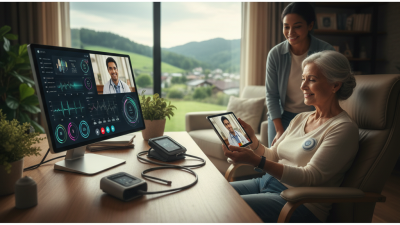
Telemedicine has emerged as a vital component of modern healthcare, revolutionizing how patients access medical services. With the rise of technologies, remote healthcare allows patients to receive timely interventions without leaving their homes. This is particularly beneficial for those with mobility issues or chronic illnesses. But the effective implementation of telemedicine relies heavily on sophisticated monitoring tools that facilitate real-time data collection.
The importance of telemedicine spans various aspects of healthcare. It not only enhances patient convenience but also improves healthcare access for underserved populations. These systems can track vital signs and alert healthcare providers promptly.
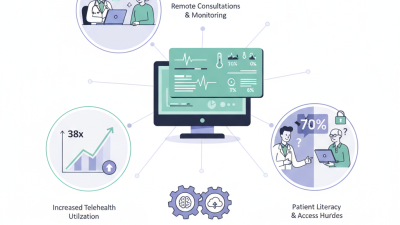
However, integrating technology into healthcare can present challenges. Some patients may struggle with using devices or have concerns about data privacy. These barriers must be addressed to optimize telehealth services.
In conclusion, while telemedicine holds great promise, it is essential to acknowledge the hurdles that accompany its adoption. Continuous education for both healthcare providers and patients is needed. Moreover, as the technology evolves, ongoing assessments are crucial to ensure that these systems are reliable and effective. Telemedicine stands to reshape healthcare, but it requires careful consideration and expert input to maximize its potential.
Key Features to Consider When Choosing Telemedicine Monitors
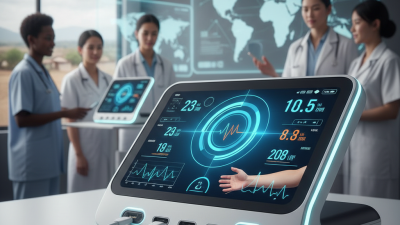
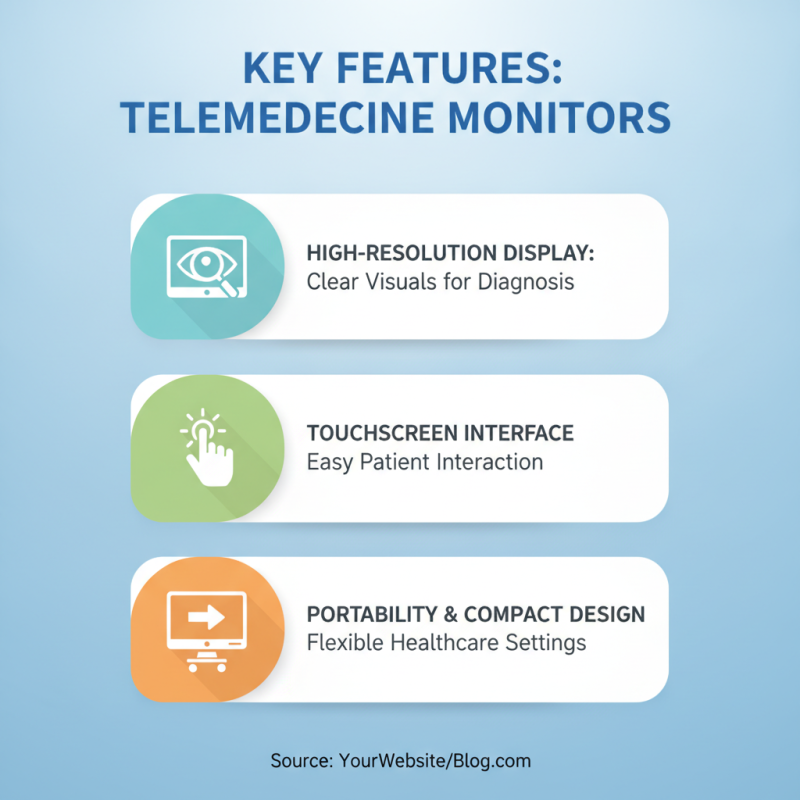
When selecting telemedicine monitors, several key features are critical. High-resolution displays enhance clarity during virtual consultations. Patients benefit from clear visuals, making it easier for doctors to understand symptoms. Touchscreen capabilities allow for intuitive interaction, enabling patients to initiate functions easily. Portability also matters. Compact, lightweight devices enable easy transport between locations, accommodating various healthcare settings.
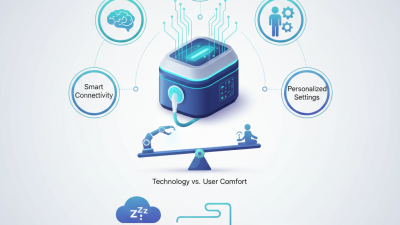
Data security cannot be overlooked. Monitors should comply with health data regulations to protect patient information. This reliability fosters patient trust. Additionally, connectivity options like Wi-Fi and Bluetooth enhance usability. They allow seamless integration with other medical devices, creating a cohesive digital health ecosystem. Battery life is another aspect to consider. Monitors with extended battery life are crucial for remote use.
Build quality is important, too. A durable design withstands everyday wear and tear in diverse environments. Some models may not hold up over time, revealing flaws that compromise functionality. User reviews often highlight these issues. Hence, researching product feedback is vital. Each feature contributes to a more effective telemedicine experience, necessitating careful consideration.
Top 10 Telemedicine Monitors: A Comparative Analysis
Telemedicine has transformed healthcare delivery. Choosing the right monitor can enhance remote patient care. A comparative analysis of top telemedicine monitors reveals some distinct features. Look for monitors that offer high-quality imaging and reliability. These monitors can greatly influence diagnostic accuracy in remote settings.
When selecting a telemedicine monitor, consider user-friendliness. Interfaces should be straightforward for both patients and healthcare providers. Monitors enabling easy access to patient history can streamline consultations. However, not all monitors excel in this area. Some require lengthy training, detracting from their usefulness.
Tips for successful implementation: Ensure compatibility with existing systems. Regular updates are vital for functionality and security. Educate staff on telemedicine technology, as human error can compromise the quality of care. While most monitors provide sufficient data, practitioners must carefully assess their limitations in real-world scenarios.
User Reviews and Feedback on Popular Telemedicine Monitors
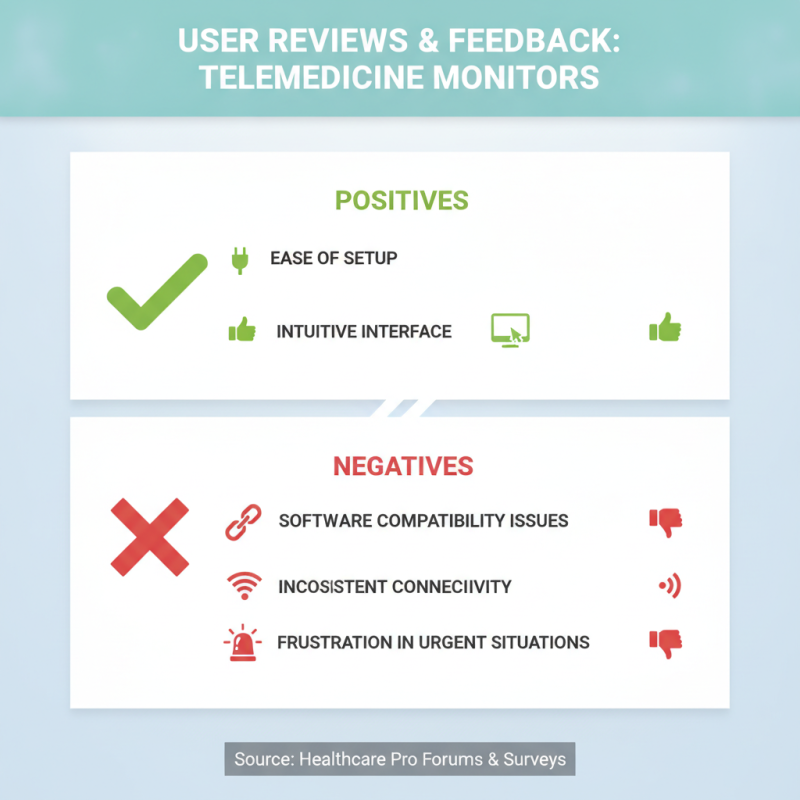
When it comes to telemedicine monitors, user feedback is invaluable. Many healthcare professionals have shared their experiences, highlighting both strengths and weaknesses. Some users appreciate ease of setup. However, issues with software compatibility often arise. This inconsistency can frustrate users, especially in urgent situations.
Tips: Always check compatibility with existing systems before purchasing. Read user reviews on multiple platforms for a balanced perspective.
Many monitors come with features like heart rate tracking and real-time data sharing. Feedback shows that patients find these tools helpful. Yet, there are concerns about data privacy and security. Some monitors require frequent updates, leading to potential lapses in care if not managed properly.
Tips: Ensure regular updates and monitoring for privacy settings. Look for feedback about customer service responsiveness.
Overall, users recommend choosing devices that prioritize usability and security. A monitor’s functionality can vary widely, so thorough research is a must. Many users emphasize that the right choice can greatly enhance remote care experiences, despite occasional drawbacks.
Future Trends in Telemedicine Monitoring Technology
Telemedicine has rapidly advanced, especially in remote healthcare monitoring. According to a report by Fortune Business Insights, the telemedicine market is projected to reach $459.8 billion by 2030. This growth signifies a notable shift in how healthcare providers deliver services. Analysts predict that the integration of AI-driven algorithms will enhance patient monitoring. This technology can analyze data in real-time, improving response times.
However, concerns about data privacy remain. A survey by Deloitte found that 47% of patients are hesitant to use telemedicine due to security worries. Addresses need for effective encryption and robust cybersecurity. Remote healthcare must prioritize safeguarding sensitive information to build trust and adoption.
Tip: To enhance your telemedicine experience, ensure your internet connection is stable and secure. Regularly update software and applications to protect your data.
The rise of wearable devices is another significant trend. Research from Grand View Research shows that the wearable technology market will reach $60 billion by 2023. These devices can continuously monitor vital signs, providing healthcare professionals with timely information. While they offer advantages, over-dependence on technology might present challenges. Not every patient can adapt easily.
Tip: Engage in frequent consultations with your healthcare provider to discuss your data and its implications for your health. This strengthens your understanding and involvement in your care.
Top 10 Telemedicine Monitors for Remote Healthcare Solutions
| Monitor Type |
Key Features |
Connectivity Options |
Battery Life |
Average Price ($) |
| Wearable Heart Rate Monitor |
Real-time heart rate, ECG |
Bluetooth, Wi-Fi |
Up to 72 hours |
150 |
| Wireless Blood Pressure Monitor |
Automatic readings, irregular heart detection |
Bluetooth, USB |
2 years (with battery) |
100 |
| Digital Glucometer |
Continuous glucose monitoring, alerts |
Bluetooth, Mobile App |
3 weeks (replaceable battery) |
75 |
| Pulse Oximeter |
SpO2 and pulse rate measurement |
Bluetooth, Wi-Fi |
30 hours |
50 |
| Smart Thermometer |
Fever detection, data tracking |
Bluetooth, Wi-Fi |
1 year (replaceable battery) |
40 |
| Remote ECG Monitor |
12-lead ECG, arrhythmia detection |
Wi-Fi, USB |
8 hours |
200 |
| Portable Sleep Monitor |
Sleep apnea detection, snoring analysis |
Bluetooth, Mobile App |
10 nights |
120 |
| Remote Fetal Monitor |
Real-time fetal heart rate monitoring |
Bluetooth, Wi-Fi |
5 hours |
300 |
| Home Spirometer |
Lung function testing, asthma monitoring |
Bluetooth, USB |
12 hours |
150 |
| Health Hub Device |
Multi-parameter tracking, integration |
Wi-Fi, Cellular |
24 hours |
500 |