Leave Your Message

Oxygen Generator Tips for Buying the Best Model Today?

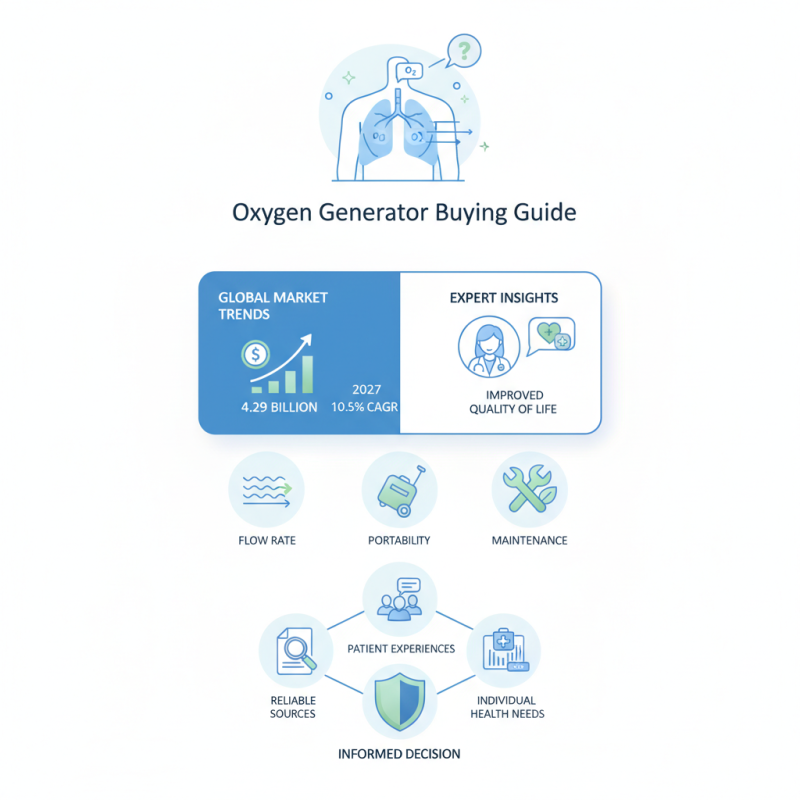
Choosing the right Oxygen Generator is crucial for patients needing supplemental oxygen. Recent reports indicate that the global oxygen generator market is projected to reach $4.29 billion by 2027, growing at a CAGR of 10.5%. With so many options available, making an informed decision can feel overwhelming.

Dr. Jane Henderson, a leading expert in respiratory therapy, states, "Selecting the right oxygen generator can significantly improve a patient's quality of life." Her insights highlight the importance of understanding the specific needs and preferences that come with each model. Essential features to consider include flow rate, portability, and maintenance requirements.

Inconsistencies in product information can lead to confusion. Not all models are ideal for every situation. It is important to evaluate each option based on individual health needs. Gather information from reliable sources, including professional reviews and patient experiences. This careful consideration of details can make a significant difference in care.
Oxygen Generator Tips for Buying the Best Model Today?

Key Features to Consider When Choosing an Oxygen Generator

When choosing an oxygen generator, key features are vital. First, consider the oxygen flow rate. This determines how much oxygen the unit provides per minute. A higher flow rate is essential for individuals with severe respiratory conditions. Look for adjustable settings that allow customization based on needs.

Another critical aspect is portability. Some models are lightweight and easy to carry, making them suitable for travel. If you plan to use the generator indoors or outdoors, consider battery life. Long-lasting batteries increase convenience, especially during emergencies.

Lastly, take note of noise levels. Some generators operate quietly, while others can be quite loud. A noisy machine may disrupt your daily activities or sleep. Evaluating user reviews can provide insight into performance and reliability. Your choice should cater to specific needs while ensuring comfort and functionality. Consider these features carefully to make an informed decision.
Types of Oxygen Generators and Their Specific Uses

When choosing an oxygen generator, understanding the types available is crucial. There are primarily three types: stationary, portable, and home concentrators. Each serves a unique purpose. Stationary models are best for chronic conditions. They provide continuous flow, catering to patients who need consistent oxygen levels. This is essential for those with severe respiratory issues.

Portable models offer mobility. These are often lightweight and battery-operated. They're ideal for patients who travel or require oxygen during physical activities. A report by the Global Oxygen Concentrator Market predicts a significant increase in demand for portable units by the end of 2024.

When selecting an oxygen generator, consider these tips. Evaluate your specific needs first. Check flow rates and available settings. Understanding these factors ensures the device matches your condition. Additionally, maintenance is key. Aim for a user-friendly model to simplify upkeep. Ill-informed choices can lead to unnecessary complications. Always consult a healthcare professional before making a decision.

Oxygen Generator Tips for Buying the Best Model Today

Type of Oxygen Generator Specific Uses Flow Rate (L/min) Approximate Cost (USD)
Portable Oxygen Concentrator At-home or travel use 1 - 5 L/min $2,000 - $3,000
Home Oxygen Concentrator Continuous use for COPD patients 5 - 10 L/min $500 - $2,000
Liquid Oxygen System High-flow needs, long-term use 10 - 15 L/min $3,000 - $5,000
Oxygen Tank Emergency use or short-term needs Varies by tank size $200 - $500

Understanding the Importance of Oxygen Concentration Levels

Oxygen Generator Tips for Buying the Best Model Today?

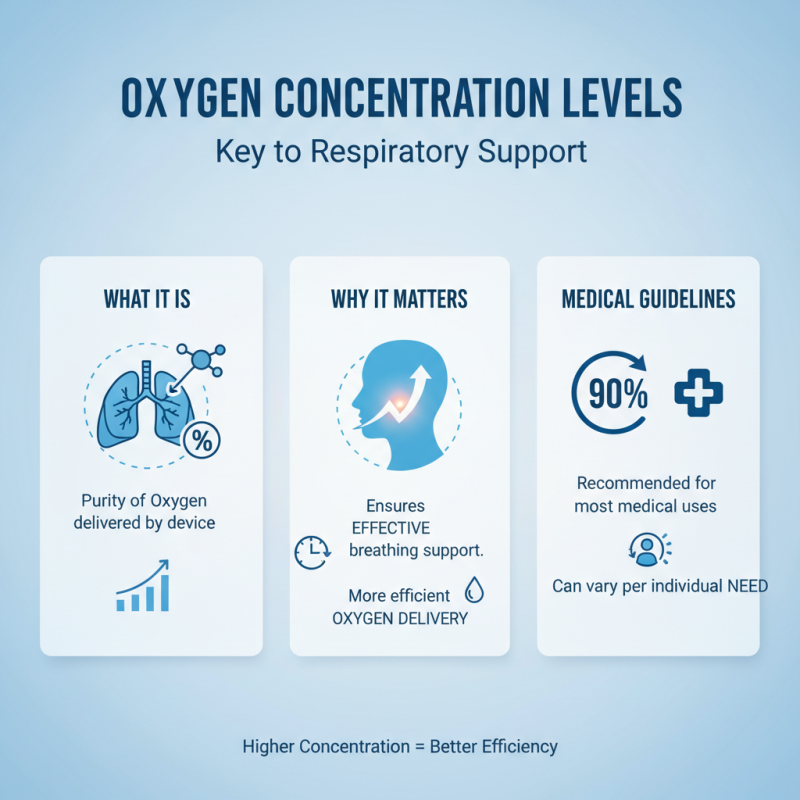
Oxygen concentration levels play a crucial role in ensuring effective respiratory support. When selecting an oxygen generator, understanding these levels is essential. A higher concentration level means that the device can provide more efficient oxygen delivery. For most medical applications, a concentration level of 90% or more is often recommended. However, this can vary based on individual needs.

Choosing the right oxygen generator requires careful consideration. Some models might advertise high concentrations but fail in practical settings. Looking at user reviews and expert opinions can help identify these differences. It’s vital to ensure the device meets personal health requirements while being easy to operate. Factor in portability as well; a heavier unit may not be practical for users with mobility issues.

The need for reliability cannot be overstated. A malfunctioning device can lead to serious health risks. Regularly checking concentration levels will help maintain functionality. Inadequate knowledge of these metrics may lead to poor purchasing decisions. Be vigilant and well-informed to ensure the best choice in oxygen therapy.

Assessing Portability and Size for Home or Travel Needs

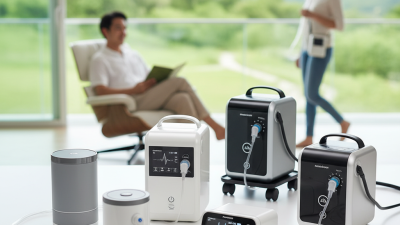
When considering an oxygen generator, portability and size are crucial factors. Many models vary in weight and dimensions, significantly affecting usability. For home use, a bulkier model might be acceptable, but if travel is on the agenda, a lightweight and compact option becomes essential. Look for units that easily fit in a suitcase or backpack, ensuring convenience on the go.

Assessing how you plan to use the generator at home or while traveling can guide your decision. Some users might find they need a device that remains stationary. Others may require something that can travel with them. This can lead to dilemmas about power supply—battery-operated models may offer flexibility but might need frequent recharging.

Also, consider how often you might need to use the generator. If usage is sporadic, a smaller model may suffice. Yet, if consistent oxygen therapy is necessary, think about how size could affect daily routines. Balancing size, weight, and functionality can be challenging but is vital for making an informed choice.

Oxygen Generator Portability Comparison

Budgeting for an Oxygen Generator: Cost vs. Features

Oxygen Generator Tips for Buying the Best Model Today?

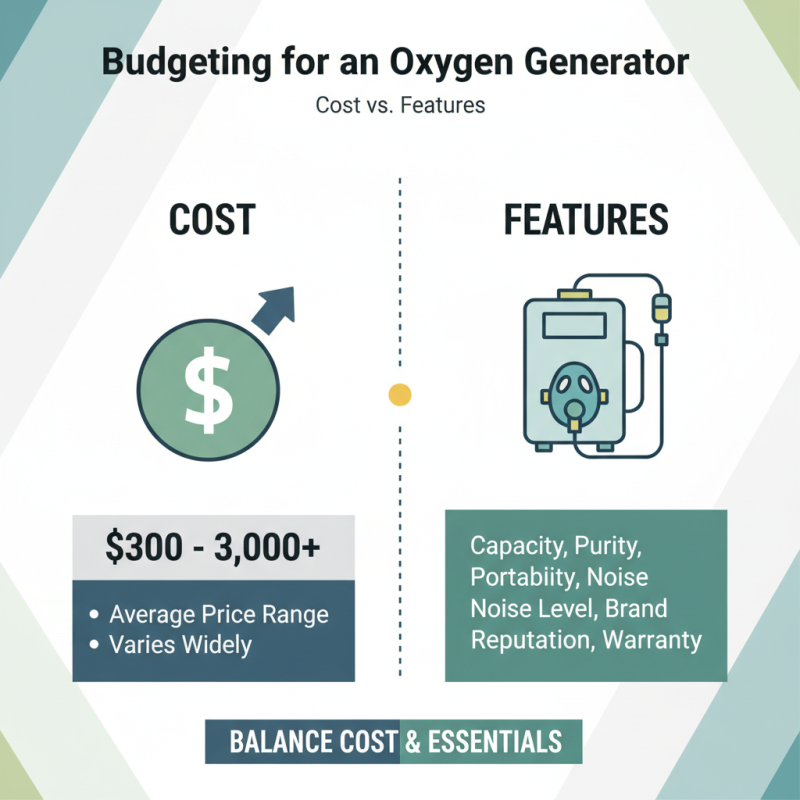
When considering an oxygen generator, budgeting plays a critical role in decision-making. According to industry reports, the average price for these devices ranges from $300 to over $3,000. This wide variation often reflects differing features, capacities, and brands. Selecting a model that balances cost with essential features is key.

Investing in an oxygen generator can be daunting. Cheaper models may not deliver adequate oxygen output, especially for those with severe respiratory conditions. In contrast, high-end units generally offer advanced features like adjustable flow rate and multiple oxygen concentrations. It's crucial to evaluate your specific needs before making a choice.

**Tip**: Check the generator’s lifespan and maintenance requirements. A model that is easier to maintain may save costs in the long run. **Tip**: Consider warranty length as a marker of quality. A longer warranty often indicates confidence from the manufacturer. Aim for devices that combine technological efficiency with your budgetary needs. Investing time in research ensures you make an informed choice.