Choosing among the Top 10 Oxygen Generator Suppliers for Global Buyers is not a popularity contest. An Oxygen Generator must match the buyer’s actual demand, site conditions, and service capacity. A hospital, laboratory, and industrial plant may need very different output and operating features. The details matter.
WHO Director-General Dr. Tedros Adhanom Ghebreyesus has emphasized that “medical oxygen is an essential medicine.” For buyers, that principle makes dependable performance more important than a polished brochure. Compare rated flow, oxygen concentration, outlet pressure, power consumption, and operating limits. Ask whether published output applies under your site’s temperature and altitude conditions. A specification sheet is only a starting point.
This guide examines suppliers through practical questions: What technology do they offer, and can they document performance? Are installation, operator training, maintenance, and spare parts available where the equipment will run? Can the supplier provide references for comparable applications? Buyers should also verify applicable standards and destination-market requirements with qualified technical teams. Needs differ by project. No supplier is perfect, and a low purchase price can hide costly service gaps. Delivery promises deserve scrutiny, too; remote sites can make routine parts unexpectedly difficult to obtain. The following supplier overview is designed to help global buyers shortlist options, request evidence, and compare offers on consistent terms. Use it as a careful starting point, not a substitute for engineering review.
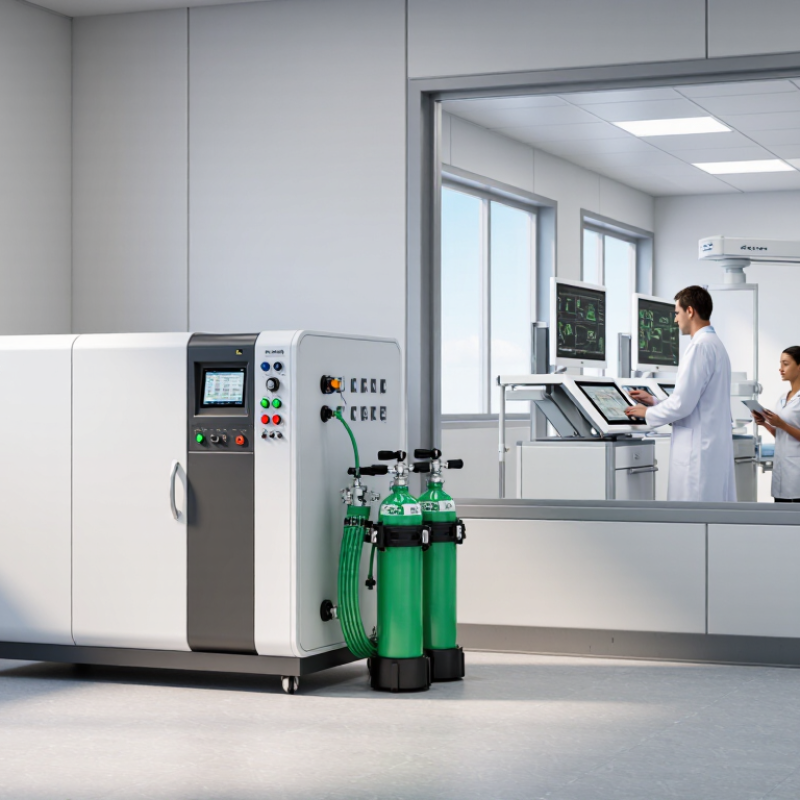
Oxygen generators make oxygen on site by separating it from air. Pressure swing adsorption (PSA) systems use molecular sieve material, often zeolite, to capture nitrogen. Their valves alternate between adsorption and regeneration cycles. PSA units suit many facilities needing a steady supply at moderate flow rates. Membrane systems separate gases through selective permeation and can be compact, though output purity may be lower. Cryogenic plants cool and separate air, making them suitable for very large, continuous demand. These technologies are not interchangeable.
Applications shape the choice. Healthcare facilities may use oxygen concentrators or central PSA systems, but clinical use requires equipment suited to the required purity, flow, and applicable standards. Industrial users may need oxygen for glassmaking, wastewater treatment, or metal processing. Aquaculture operators use it to support dissolved oxygen levels in tanks. Small details matter. A supplier’s stated capacity may assume specific inlet conditions, temperature, and pressure; request performance data for the conditions at your site.
When comparing suppliers, check purity and flow together, not as isolated figures. Ask how output changes during peak demand, what routine maintenance involves, and whether service technicians and replacement parts are accessible. A well-matched generator can still disappoint if storage, ventilation, or backup supply is overlooked. It is easy to fixate on a single purity number, but real operating needs are less tidy than a specification sheet suggests. Check test methods and commissioning support before deciding.
Top 10 Oxygen Generator Suppliers for Global Buyers
Evaluating oxygen generator suppliers starts with the application, not the sales brochure. Define required flow, oxygen purity, outlet pressure, operating hours, and site conditions. A hospital, factory, and remote facility may need very different configurations. Small details matter. Ask suppliers to show performance data at your expected operating range, not only at ideal test conditions.
Review technical documents, including equipment specifications, operating limits, maintenance schedules, and recommended spare parts. Ask how performance is verified during commissioning and what acceptance tests are available. Ask for proof. References from buyers with similar demand can reveal practical issues, such as delayed parts or difficult maintenance access. Confirm who provides installation guidance, operator training, and ongoing technical support across your location and time zone.
Compare total ownership costs, not just the purchase price. Include energy use, consumables, service visits, and likely downtime. Request clear warranty terms and written response times for support requests. A supplier’s answers should be specific and consistent across sales and technical teams. That takes time. No checklist removes every risk, and forecasts can be wrong; leave room to reassess capacity as demand changes.
| No. | Evaluation Dimension | What a Qualified Supplier Should Provide | How Global Buyers Can Verify It |
|---|---|---|---|
| 1 | Oxygen Generation Technology | A clearly specified process suited to the application. Pressure swing adsorption (PSA) is commonly used for on-site oxygen production; vacuum pressure swing adsorption (VPSA) is also used in larger flow applications. | Request a process description, operating sequence, and explanation of why the proposed technology fits the required capacity, purity, and operating conditions. |
| 2 | Rated Capacity and Delivery Conditions | Capacity stated as oxygen flow at defined purity, pressure, temperature, and operating conditions. Flow figures should not be presented without their associated conditions. | Compare proposals on the same basis and ask for guaranteed output at the specified delivery pressure and ambient conditions. |
| 3 | Oxygen Purity and Application Fit | A documented purity range matched to the end use. PSA and VPSA systems can produce different purity levels depending on design and operating conditions; no single purity is suitable for every application. | Review the guaranteed purity, measurement method, permitted operating range, and any application-specific requirements before purchase. |
| 4 | Energy Consumption | Power consumption figures tied to stated flow, purity, and operating conditions, with major energy-consuming components identified. | Ask for a guaranteed or clearly defined specific energy figure and compare it at equivalent production and delivery conditions. |
| 5 | Feed-Air Preparation | A defined compressed-air treatment arrangement where required, including filtration and moisture control appropriate to the system design and site conditions. | Check the equipment list, inlet-air requirements, condensate handling, and responsibility for any upstream compressor or air-treatment equipment. |
| 6 | Safety and Compliance Documentation | Equipment documentation covering safe operation, electrical requirements, oxygen-service components, and applicable destination-market regulations. | Request declarations, certificates, drawings, risk information, and manuals relevant to the installation country and intended application. |
| 7 | Controls, Monitoring, and Alarms | Controls that allow operators to monitor key operating parameters and respond to relevant alarms. Remote monitoring features should be described with their communication and access requirements. | Review control-system specifications, alarm lists, data access provisions, and any cybersecurity or network requirements. |
| 8 | Installation and Commissioning Support | A defined scope covering site requirements, installation interfaces, commissioning activities, and operator handover. | Confirm which work is included, what must be provided locally, expected site utilities, and the commissioning acceptance criteria. |
| 9 | Service, Spare Parts, and Lifecycle Support | Documented maintenance requirements, recommended spare parts, service response arrangements, and availability of technical support for the destination market. | Request a maintenance schedule, spare-parts list, warranty terms, service contact details, and any stated response-time commitments. |
| 10 | Commercial Terms and Performance Guarantees | A transparent quotation defining equipment scope, exclusions, delivery terms, payment milestones, warranty coverage, and measurable performance guarantees. | Compare total project scope rather than headline price alone, and ensure acceptance testing and remedies for unmet guarantees are stated in the contract. |
A comparison of the top 10 oxygen generator suppliers should begin with the buyer’s actual operating conditions. Daily oxygen demand, required purity, inlet-air quality, and local climate all affect equipment selection. A system sized for a small clinic may struggle in a busy production facility. Ask suppliers to explain their sizing assumptions, not just quote a model.
Look closely at performance data. Request documented oxygen purity, flow rate, pressure, power use, and operating limits. For pressure swing adsorption systems, check how output changes when demand rises or filters get dirty. Ask for evidence. Clear maintenance schedules, spare-parts availability, and response times matter when equipment runs continuously. A polished brochure is not a service plan.
Global purchasing adds practical details: shipping dimensions, installation support, training, and access to replacement parts near the operating site. Confirm which tests are performed before delivery and what commissioning includes. A supplier should answer technical questions in plain language and provide traceable documentation. Numbers can mislead. I would also compare warranty exclusions carefully, since the smallest line in a contract can shape long-term costs. No checklist removes every risk, and I might still miss a site-specific issue; an on-site assessment can reveal constraints that a remote quotation cannot.
A useful supplier comparison starts with product range, not headline capacity. Check whether portfolios include PSA or cryogenic systems, compressors, dryers, filters, storage tanks, controls, and backup supply. Technology must match required flow and purity. Smaller facilities may favor modular PSA units, while high-volume plants can require cryogenic production. World Steel Association’s World Steel in Figures 2024 reports 1,888.2 million tonnes of crude steel production in 2023. That scale makes oxygen supply relevant to steelmaking, but it does not mean every generator suits a steel mill. Details matter.
Industry coverage also varies. Healthcare buyers need medical-use documentation, stable output, alarms, and clear maintenance procedures. Wastewater, glass, metal fabrication, and aquaculture may prioritize different flow ranges and operating conditions. WHO’s technical guidance on oxygen sources and distribution stresses planning the source alongside storage and delivery equipment. Ask suppliers for site assessments, commissioning, operator training, spare-parts availability, and realistic service response times. A practical gap remains: brochures rarely show how performance changes under heat, dust, or fluctuating demand. Request operating data from comparable installations, and verify what the service contract actually covers.
Comparing oxygen generator suppliers starts with the operating conditions, not the headline capacity. Record the required oxygen flow, purity, outlet pressure, and daily duty cycle. Then ask suppliers to state performance under your site’s temperature, altitude, and feed-air conditions. A unit rated for one environment may deliver less in another. Small details matter.
Request a written specification, a sample maintenance schedule, and clear warranty terms. Check what the quoted price includes: compressors, dryers, filters, installation, operator training, and spare parts. Ask how quickly service technicians can respond, and whether critical components are stocked nearby. A spreadsheet can still mislead. Compare energy use and consumables over several years, not just the purchase price. If possible, speak with a reference customer who runs similar equipment. Their actual maintenance records may reveal issues that a sales sheet cannot. There is no perfect quote; assumptions often hide in the fine print. Before placing an order, confirm that the proposed system fits your existing piping, ventilation, and backup arrangements. A brief site review may prevent an expensive mismatch.