Top 5 Oxygen Generator Buying Tips for Global Importers
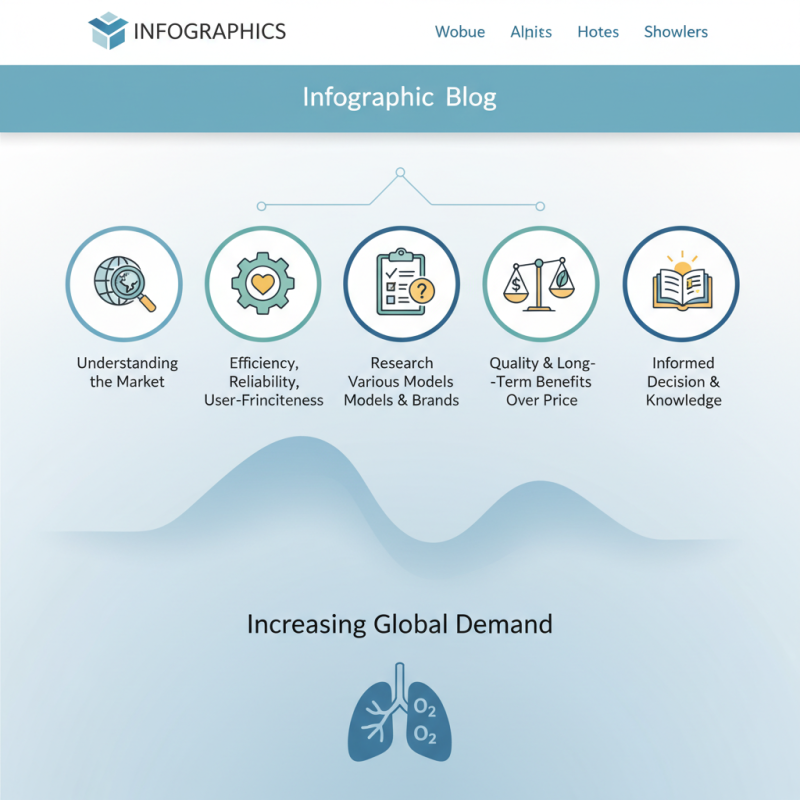
As the demand for Oxygen Generators increases worldwide, importers face critical decisions. Understanding the market is essential. Leading industry expert Dr. Emily Harper, a veteran in respiratory technologies, emphasizes, "Choosing the right Oxygen Generator can be a life-changing decision." This statement underscores the importance of selecting quality equipment that meets specific needs.
Navigating the world of Oxygen Generators requires expertise. Many importers may overlook functional details or specific requirements. The focus must be on efficiency, reliability, and user-friendliness. A well-suited Oxygen Generator can greatly impact clinical environments and personal care. However, a wrong choice can lead to wasted resources and unmet needs.
Potential buyers must research various models and brands. A lack of thorough understanding could result in poor purchases. Each Oxygen Generator offers unique features. An informed decision should consider quality and long-term benefits, not just the initial price tag. The right knowledge is vital for success in this growing industry.
Key Considerations for Choosing the Right Oxygen Generator
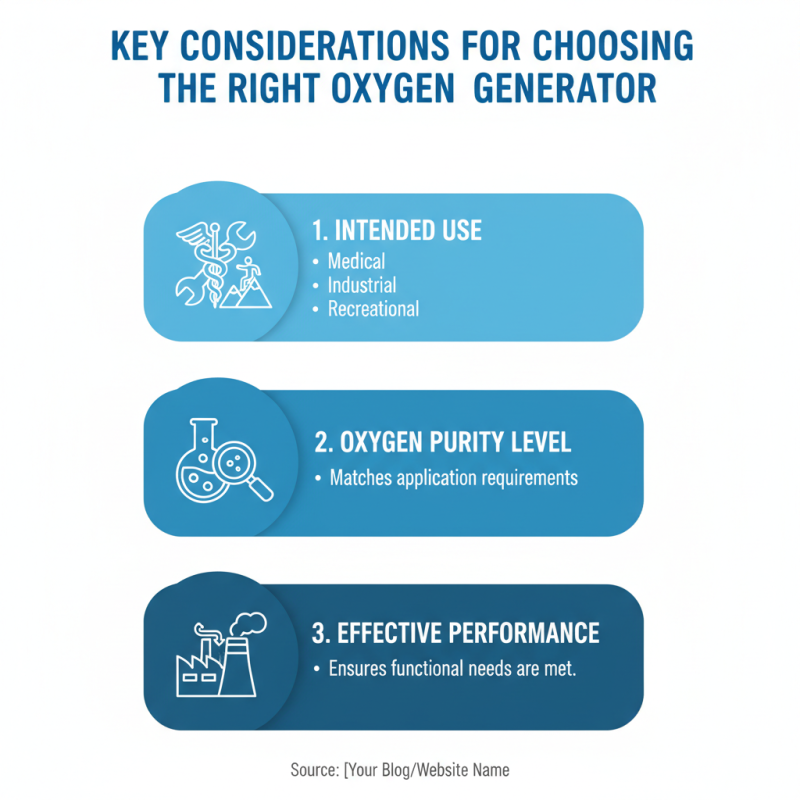
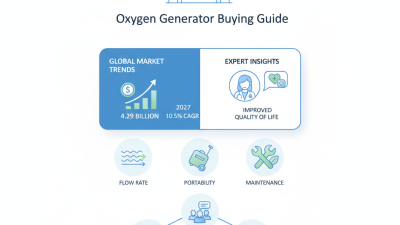
Choosing the right oxygen generator involves several key considerations that can significantly impact your purchasing decision. First, assess the intended use of the generator. Different applications, such as medical, industrial, or recreational, require specific oxygen purity levels. Understanding your needs ensures the generator can perform effectively.
Another important factor is the production capacity. Evaluate how much oxygen you need and the generator's output rate. Look for models that align with your consumption rates to avoid shortages. Also, consider the size and portability. If the generator needs to be moved often, lightweight options may be more suitable.
Maintenance requirements also play a crucial role in your choice. Some models may require intricate servicing, while others are designed for easier upkeep. Check user reviews for insights into reliability and potential challenges. Always ask questions and seek expert advice to avoid pitfalls. Remember that even trusted models can have downsides that may not be immediately apparent.
Understanding Different Types of Oxygen Generators Available on the Market
When selecting an oxygen generator, it’s crucial to understand the different types available. Broadly, there are two main categories: PSA (Pressure Swing Adsorption) and Membrane oxygen generators. PSA systems are popular for their efficiency. They separate oxygen from other gases using a two-chamber system. This method yields high purity oxygen, making it suitable for various applications.
Membrane oxygen generators, on the other hand, utilize a different approach. They employ a hollow-fiber membrane to separate oxygen from nitrogen. While they are typically less efficient than PSA systems, they are easier to install and maintain. Understanding these distinctions is essential for importers. Each type has unique advantages and potential limitations to consider.
It’s also important to reflect on the specific needs of your application. Will your operation require high flow rates? How critical is purity? Importers must also factor in the costs and energy consumption associated with each option. Balancing efficiency, cost, and application requirements can be a challenging task but is necessary for making informed decisions.
Evaluating Supplier Reputation and Product Quality
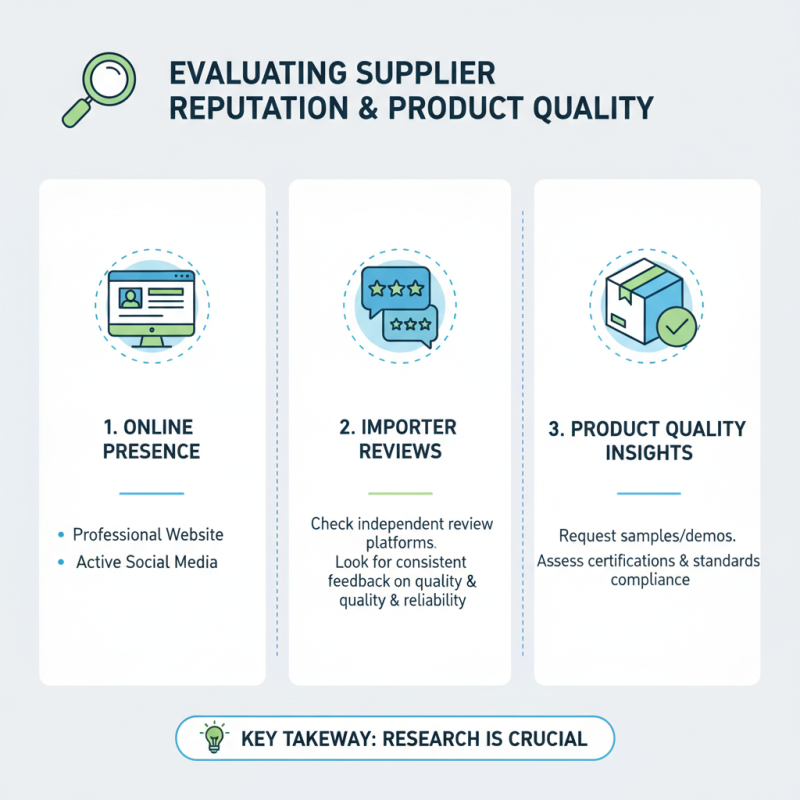
When evaluating the reputation of suppliers, research is essential. Start by checking their online presence. A reliable supplier often has a professional website. Look for reviews from other importers. This feedback can reveal strengths and weaknesses of their products. Genuine customer experiences provide insight into quality consistency.
Next, assess the supplier's history in the industry. A company with years of experience may demonstrate stability and reliability. However, some newer companies can still offer cutting-edge technology. Balance your evaluation with considerations of both experience and innovation. Visiting the supplier's facilities, if possible, can offer a fresh perspective.
Product quality cannot be overlooked. Request samples before placing large orders. Testing these samples helps identify any potential issues. Is the oxygen generator efficient? Does it meet your specifications? Take your time to analyze all features. Quality assurance processes must be transparent to ensure they meet industry standards.
Assessing Compliance with International Safety Standards
When importing oxygen generators, compliance with international safety standards is crucial. This field is governed by various regulations, such as ISO 13485, which focuses on quality management systems. Meeting these standards ensures that the devices are safe and effective for medical use. According to a report by the World Health Organization, around 70% of oxygen-related accidents occur due to non-compliance with these regulations.
Tip: Always request documentation that proves compliance with safety standards. Check for certification from recognized bodies.
Reviewing market trends is vital. A report by Global Market Insights indicates that the demand for oxygen generators in emerging markets is growing rapidly. However, many importers overlook the importance of safety certifications. Non-compliance may result in product recalls, financial loss, and reputational damage.
Tip: Evaluate suppliers based on their compliance history. Conduct site visits where possible.
Importers should also consider the potential risk of substandard products. A study indicated that 30% of imported medical devices do not meet safety standards. This raises the question of quality assurance in the supply chain.
Tip: Implement a thorough vetting process for suppliers. Engage third-party organizations for compliance checks.
Top 5 Oxygen Generator Buying Tips for Global Importers - Assessing Compliance with International Safety Standards
| Tip Number |
Buying Tip |
Importance Level |
Compliance Standards |
| 1 |
Verify Certification and Compliance |
High |
ISO 13485, CE Mark |
| 2 |
Check Maintenance Requirements |
Medium |
ASTM F3101 |
| 3 |
Evaluate Energy Efficiency |
High |
Energy Star |
| 4 |
Assess User-Friendly Features |
Medium |
None |
| 5 |
Consider Warranty and Support Services |
High |
None |
Analyzing Cost-Effectiveness and Long-term Investment Potential
Choosing the right oxygen generator requires careful consideration. Importers must analyze not only the upfront cost but also the long-term investment potential. A common oversight is focusing solely on initial expenses. While lower prices attract attention, they often lead to increased maintenance costs. Therefore, buyers should assess durability and reliability as key indicators of value.
Tip: Look for models with strong warranties. These warranties often indicate manufacturer confidence. A reliable oxygen generator should serve for many years, minimizing replacement frequency.
Energy efficiency plays a vital role in long-term costs. Many generators consume power continuously, affecting operational budgets significantly. Prioritizing energy-efficient models can yield cost savings over time. Be wary of models that lack energy ratings; they might seem affordable but could lead to unforeseen expenses.
Tip: Consider local service support. When purchasing from international suppliers, check their service options. Delays in parts or maintenance can hinder operations. A local partnership can provide peace of mind, ensuring that the equipment remains functional.
Cost-Effectiveness of Different Oxygen Generators