What is Wbc Analyzer in 2026 Top Types for Global Buyers
The Wbc Analyzer has become essential in modern medical diagnostics. In 2026, various types of Wbc Analyzers are available for global buyers. These devices are crucial for analyzing white blood cell counts, aiding in disease detection, and guiding treatment plans.
Understanding the different types is key for healthcare professionals and buyers. Some models offer advanced features like automation and enhanced accuracy. Others may lack these high-end capabilities. Buyers must consider their specific needs carefully. Not all devices provide the same level of reliability. It’s crucial to research and compare options before making a purchase.
While innovation in Wbc Analyzer technology is impressive, challenges remain. Some cheaper models could yield inconsistent results. Medical professionals must be cautious. The right choice can impact patient care significantly. Therefore, evaluating not just the features but also the manufacturer’s reputation is wise. The market offers many choices, and informed decisions lead to better healthcare outcomes.
What is a WBC Analyzer: Definition and Purpose
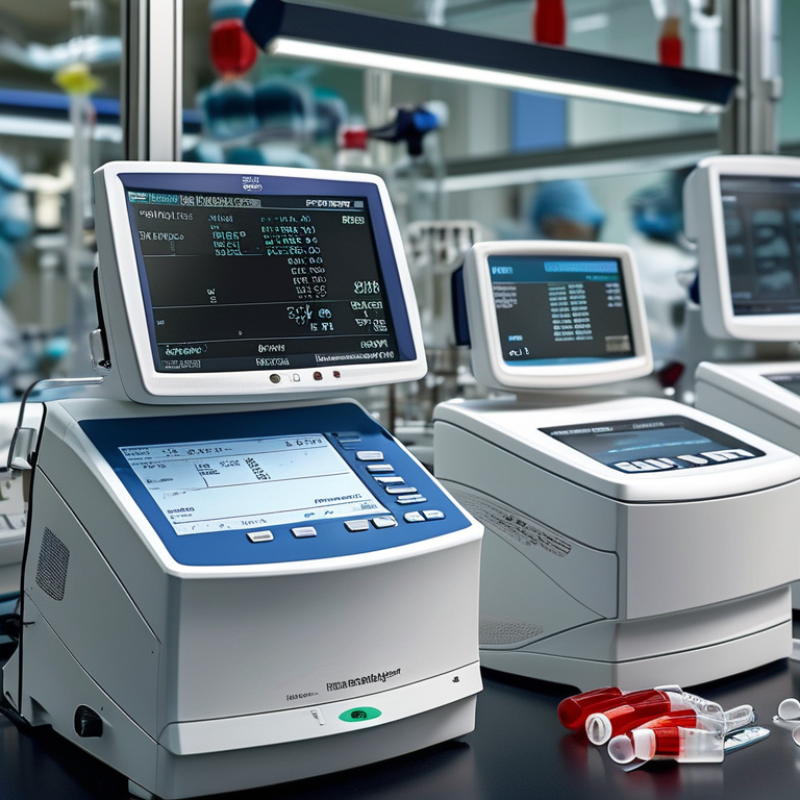
A WBC analyzer is a device used to count and analyze white blood cells in a blood sample. These cells play a crucial role in the immune system. By studying white blood cell counts, medical professionals can detect various health issues, including infections and diseases.
The purpose of a WBC analyzer is to provide quick and accurate results. It helps in diagnosing conditions like leukemia or autoimmune disorders. In 2026, advancements in technology are making these devices more user-friendly. Some models even offer mobile features for convenient access to data. However, it's essential to note that while WBC analyzers are valuable, they are not infallible. Malfunctioning units can lead to errors in interpretation, affecting patient outcomes.
Users should remain aware of the limitations and accuracy. Regular calibration and maintenance are necessary for reliable results. The evolving landscape of WBC analyzers indicates promise, yet it also invites questions about data security and user training. Embracing these challenges can help enhance diagnostic capabilities for healthcare providers.
Key Features of WBC Analyzers in 2026
In 2026, WBC analyzers have evolved to become more sophisticated. Key features include enhanced accuracy and faster results. With the rise of artificial intelligence, these devices can analyze samples with remarkable precision. According to a recent industry report, the market for WBC analyzers is projected to grow by 15% annually. This growth reflects the increasing demand for reliable diagnostics in healthcare settings.
One important aspect is the automation of processes. Modern analyzers reduce human error, but they are not without limitations. Certain conditions, like sample contamination or improper calibration, can still lead to inaccurate readings. Furthermore, the integration of software for data analysis adds complexity. Training staff to effectively use these advancements is crucial. Hospitals must ensure that personnel understand both the technology and its potential pitfalls.
Data connectivity is another critical feature. Many analyzers now allow real-time data sharing within healthcare networks. This can enhance patient care through quicker decision-making. However, security concerns arise with the increased connectivity. Protecting sensitive health information must be a priority. As the market grows, balancing innovation with security will be an ongoing challenge.
WBC Analyzer Types and Features in 2026
Top Types of WBC Analyzers for Global Buyers
WBC analyzers play a crucial role in modern hematology. They are essential for counting white blood cells and assessing blood health. In 2026, various types of WBC analyzers are available, each designed to meet different needs. This flexibility makes them appealing to hospitals, laboratories, and clinics globally.
Among the most sought-after types are the flow cytometry analyzers. These devices provide precise measurements. They can analyze multiple parameters simultaneously. Newer models feature enhanced software for better user experience. Compact systems are also gaining popularity. They are suitable for smaller facilities with limited space.
Despite advancements, challenges remain. Some analyzers may struggle with specific sample types. Others require frequent calibration, which might disrupt workflow. Users must weigh these factors before making a purchase. Continuous training of staff is vital to maximize efficiency. Embracing these aspects can improve the overall effectiveness of WBC analysis in diverse settings.
Factors Influencing the Choice of WBC Analyzers
When selecting a WBC analyzer, several factors come into play. Accuracy is paramount. A reliable analyzer should consistently deliver precise results. This directly impacts patient care. Medical professionals depend on these results for diagnoses and treatment plans. Therefore, understanding the technology behind these devices is crucial.
User-friendly interfaces can enhance efficiency in busy labs. New users should find it easy to navigate through functions. However, not all models prioritize this aspect. Some may feature complicated systems that require extensive training. Maintenance is another important consideration. Regular calibration is necessary to ensure optimal performance. Neglecting this can lead to errors in the analysis.
Cost is often a deciding factor but shouldn’t compromise quality. An analyzer should provide good value over its lifecycle. Buyers need to evaluate long-term expenses, including consumables and repairs. In the end, the right choice of WBC analyzer can transform lab operations and improve patient outcomes. Nonetheless, potential buyers must remain critical and thoroughly assess their options. Balancing cost, quality, and usability is necessary for optimal selection.
Future Trends in WBC Analyzer Technology and Usage
In 2026, WBC analyzers are poised for significant advancements. These devices will likely integrate artificial intelligence to enhance accuracy. AI can analyze blood samples faster and more reliably. This technology aims to reduce human error in diagnostics. Furthermore, automation may streamline laboratory workflows, boosting overall efficiency.
Trends indicate a shift towards portable WBC analyzers. These devices will allow for point-of-care testing in various settings. Such portability could improve access to important health data. However, this approach raises questions about data security and results interpretation. Proper training for healthcare professionals will be essential.
We might also see enhanced data analytics capabilities. Analyzers will offer deeper insights into patient health trends. Users may face challenges in understanding complex data outputs. This underscores the need for ongoing education in interpreting results effectively. Balancing advanced technology with meaningful user experience remains a crucial consideration.
What is Wbc Analyzer in 2026 Top Types for Global Buyers - Future Trends in WBC Analyzer Technology and Usage
| WBC Analyzer Type |
Key Features |
Usage/Application |
Global Market Demand (2026 est.) |
Future Trends |
| Digital WBC Analyzers |
High accuracy, data integration, user-friendly interfaces |
Clinical laboratories, hospitals |
$1.5 billion |
Increased automation and AI integration |
| Flow Cytometry Analyzers |
Multiparametric analysis, high throughput |
Research laboratories, clinical diagnostics |
$850 million |
Advancements in cell sorting and analysis |
| Microscopic WBC Analyzers |
Manual or automated cell counting, detailed morphology |
Diagnostic labs, medical research |
$400 million |
Integration with digital imaging technologies |
| Portable WBC Analyzers |
Compact design, battery operated, ease of use |
Field testing, emergency medical services |
$300 million |
Growing demand for point-of-care testing |