China Best Oxygen Generator for Home and Industrial Use?
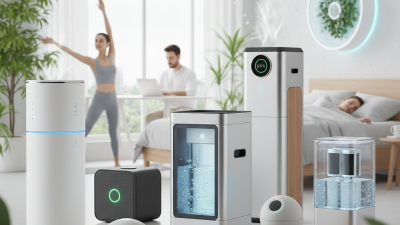
In recent years, the demand for Oxygen Generators has surged in China. These devices are essential for both home and industrial applications. They provide a continuous supply of oxygen, crucial for various health and industrial processes. The right Oxygen Generator can enhance air quality and improve health outcomes.
Choosing the best Oxygen Generator requires a blend of experience and knowledge. Many options are available, but not all are reliable. Users must consider efficiency, cost, and durability when selecting a model. Misleading marketing can complicate this process. Reviews and expert recommendations are vital for informed decisions.
Yet, it’s easy to overlook critical features. Some systems may lack adequate filtration or produce inconsistent oxygen levels. This can lead to user frustration. Realistic expectations are necessary. There’s a need for ongoing assessment of product performance. Buyers should remain cautious and stay informed to make the best choices in Oxygen Generators.
The Importance of Oxygen Generators in Home and Industrial Settings
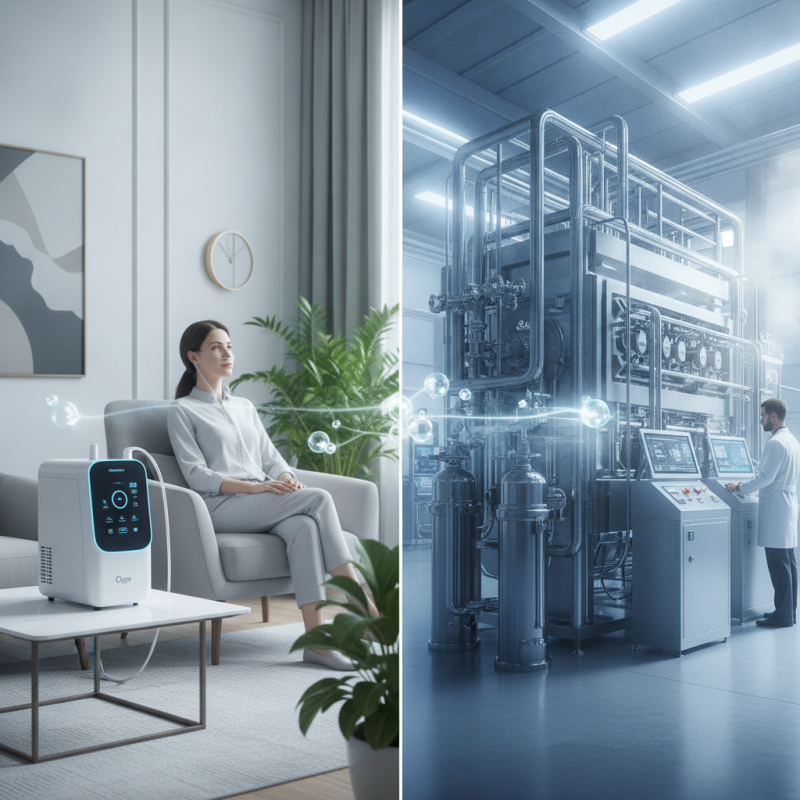
Oxygen generators play a crucial role in both home and industrial settings. They ensure a steady supply of oxygen, which is vital for health and productivity. In homes, oxygen generators can be used to support people with respiratory issues. In factories, they enhance workplace safety and efficiency. Adequate oxygen levels improve employee performance and reduce the risk of accidents.
Tip: Regular maintenance of your oxygen generator is essential. A well-functioning machine not only lasts longer but also works efficiently. Check filters and connections periodically.
In industrial environments, oxygen generators are crucial for various processes. They support combustion in manufacturing and assist in laboratory experiments. Businesses focusing on health, safety, and productivity can benefit greatly from integrating these devices. Still, the initial setup can be challenging.
Tip: Educating your team on the importance of oxygen levels can foster a culture of safety. Make sure all staff members understand how to operate and maintain equipment properly. This approach can minimize errors and enhance workplace safety.
China Best Oxygen Generator for Home and Industrial Use? - The Importance of Oxygen Generators in Home and Industrial Settings
| Application |
Oxygen Generation Method |
Oxygen Output (L/min) |
Energy Consumption (W) |
Weight (kg) |
| Home Use |
PSA (Pressure Swing Adsorption) |
3 |
150 |
5 |
| Industrial Use |
VPSA (Vacuum Pressure Swing Adsorption) |
50 |
1000 |
100 |
| Medical Use |
Cryogenic Air Separation |
10 |
300 |
20 |
| Aquaculture |
Membrane Separation |
15 |
250 |
25 |
Key Factors for Choosing the Best Oxygen Generator in China
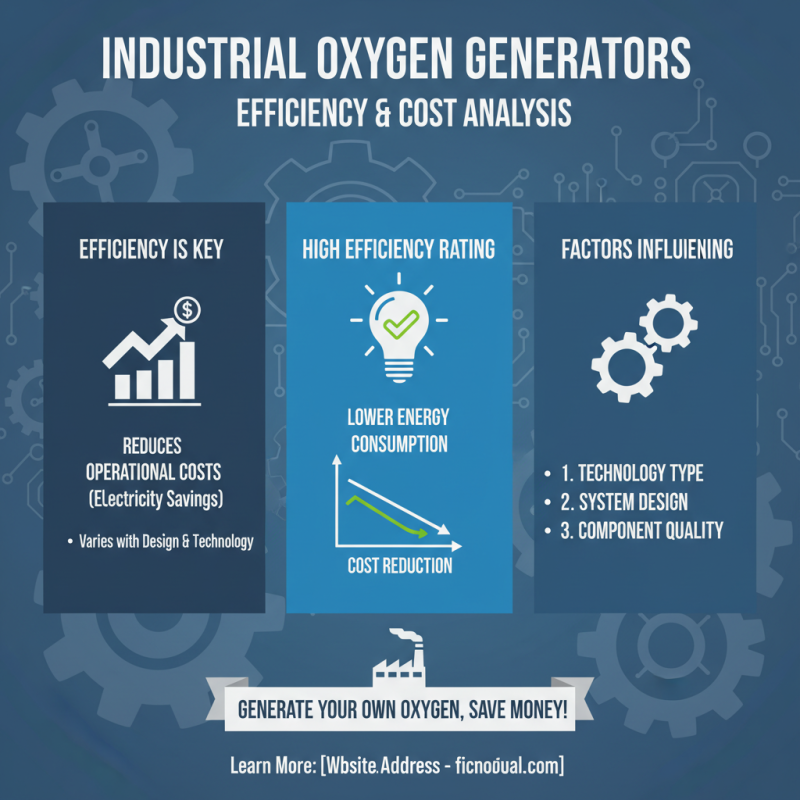
When selecting the best oxygen generator for home and industrial use in China, consider several key factors. Efficiency is paramount. Look for models that produce a high concentration of oxygen while using minimal power. This ensures not only effectiveness but also cost savings over time.
Quality matters. Make sure the unit is made from durable materials. A reliable generator can withstand long hours of operation. Check if the product has passed relevant safety certifications. This adds an extra layer of confidence in its performance and safety.
**Tip:** Regular maintenance is essential. Clean filters regularly to ensure optimal functionality. An unmaintained machine may lose efficiency or fail unexpectedly.
Portability can also be a deciding factor, especially for industrial applications. Some generators are designed to be mobile, making them easier to transport. This flexibility can enhance productivity in various settings.
**Tip:** Be aware of noise levels. Some generators operate quietly, while others can be quite loud. Choose one that fits your environment without causing disruption. Pay attention to warranty options. A good warranty reflects the manufacturer's confidence in their product.
Oxygen Generator Performance Comparison
This chart compares the oxygen output (in liters per minute) of different types of oxygen generators commonly used in homes and industries, illustrating how these generators perform in terms of efficiency.
Top Brands of Oxygen Generators for Home Use: Features and Specifications
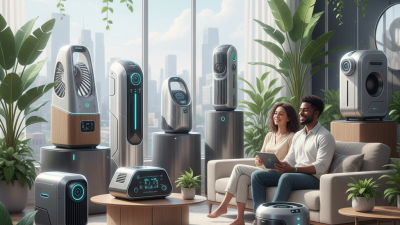
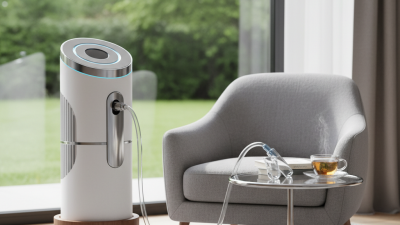
When considering the best oxygen generators for home use, several top brands emerge. These generators are designed to improve air quality significantly. They provide a steady flow of oxygen, which can enhance overall well-being.
One key feature to look for is portability. Many models are lightweight and easy to move. They can fit in small spaces, making them suitable for apartments. Some units are quiet, ensuring minimal disruption. Users appreciate adjustable oxygen levels for personalized needs.
As you evaluate options, keep an eye on energy consumption. Some models may require more power, impacting monthly bills. While many oxygen generators perform well, not all offer advanced features. Reliability can vary, so research user reviews. They often highlight performance nuances that specifications overlook.
Future Trends in Oxygen Generation Technology for Various Applications
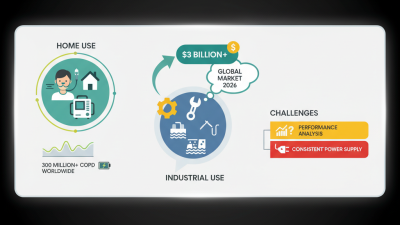
Oxygen generation technology is evolving rapidly. The market is driven by the increasing demand for pure oxygen in various sectors. Recent industry reports state that the global oxygen generator market will reach $5 billion by 2025. This growth indicates a rising interest in both home and industrial applications.
In homes, compact oxygen generators are becoming popular. They help individuals with respiratory issues. Many people seek reliable sources of oxygen for better health. However, the quality of these devices can vary significantly. Not all generators meet medical standards. Users must research and select wisely.
Industrial use shows different trends. Industries are increasingly using oxygen for processes like steel production and wastewater treatment. Advanced technologies like Pressure Swing Adsorption (PSA) are gaining traction. These methods offer higher efficiency and reliability. Yet, there remains a need for ongoing improvements. Older systems may not be compatible with modern demands. Companies must adapt or face obsolescence. The future promises innovations focused on energy efficiency and cost reduction. This can further enhance productivity across sectors.